Daily coverage from across the country, written for the expat community
Results for “state of emergency”Clear
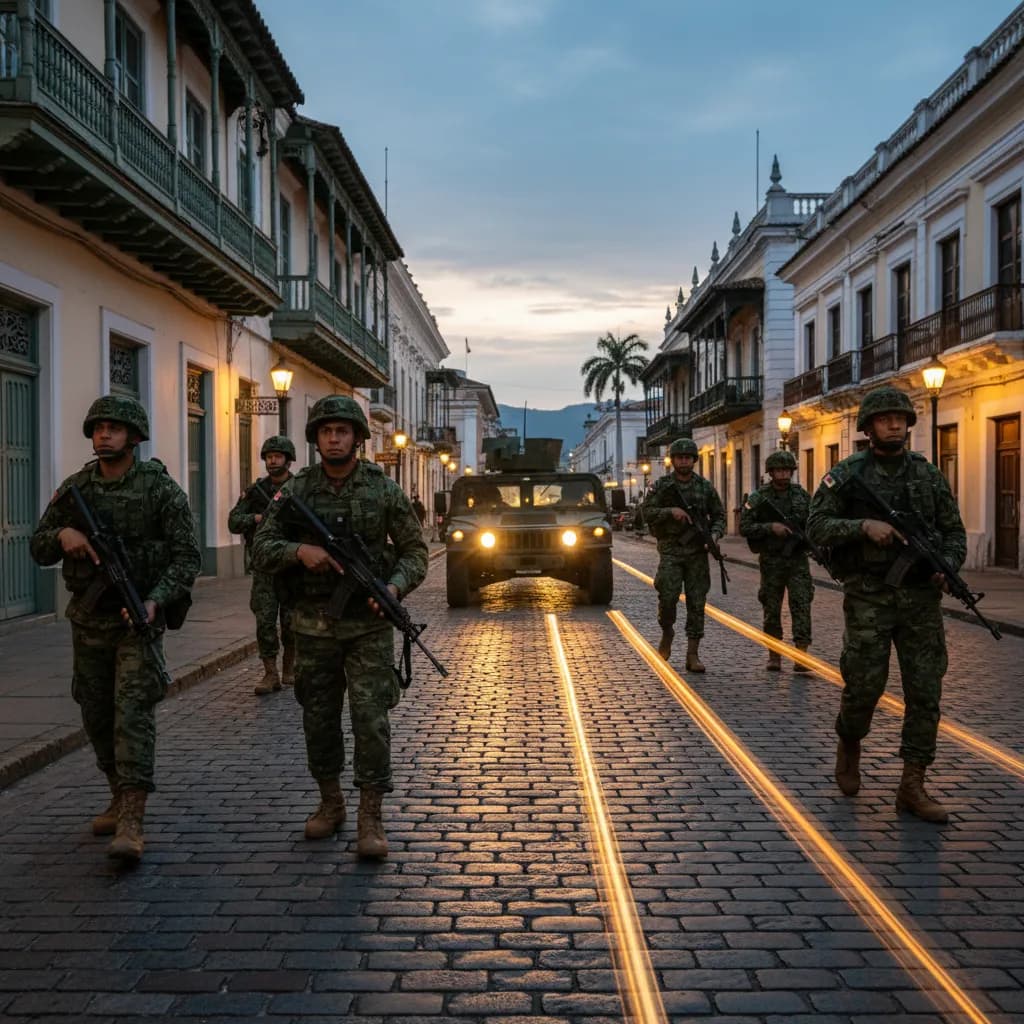
President Noboa signed Decree 353 on April 2, declaring a 60-day state of emergency across 9 provinces and 4 additional cantons. Unlike the previous emergency that ended March 30, this renewal does not include a curfew -- but it does authorize police raids and suspends home inviolability in affected areas.
Ecuador became the first Latin American country to sign a security cooperation agreement with Europol, the European Union's law enforcement agency. Published in the Official Register on March 30, the deal enables joint operations against transnational organized crime and has already produced results -- including the dismantling of a cocaine network tied to Los Lobos and Albanian criminal organizations.
A New York Times investigation found that a joint U.S.-Ecuador military strike in early March, promoted by Defense Secretary Pete Hegseth as destroying a drug trafficking camp, actually destroyed a cattle and dairy farm in San Martin. Workers reported beatings, choking, and electrical shocks by soldiers.
The two-week nightly curfew across four coastal provinces ends March 30, concluding the largest single anti-narcotics mobilization in South American history. 75,000 soldiers and police were deployed with U.S. Reaper drone support and FBI intelligence.
Jose Vinces, founder of Vinces TV in El Oro province, was shot by two gunmen at a cemetery after being lured by a fabricated tip. The Committee to Protect Journalists has demanded a full investigation. Ecuador saw 168 attacks on journalists in 2025.
Ecuador has imposed an 11pm-to-5am curfew in four coastal provinces — Guayas, Los Rios, Santo Domingo de los Tsachilas, and El Oro — as part of the ongoing state of emergency. The restriction runs through at least March 30, 2026.
President Noboa's executive decree MDT.2026-059 allows employers to schedule 10-hour workdays within the existing 40-hour weekly cap. Unions were not consulted, and mass protests erupted on March 13 in Quito and Guayaquil. Noboa's approval rating has dropped to 38%.
Ecuador's 60-day state of emergency declared January 1 has been extended for an additional 30 days across nine provinces and three municipalities. With a record 9,000 homicides in 2025, President Noboa is doubling down on military deployments as the country remains in a declared state of 'internal armed conflict.'
The International Monetary Fund reports Ecuador is 'recovering much faster than anticipated' from the devastating 2024 blackout crisis. Inflation is forecast at just 1.5% for 2026 — among the lowest in Latin America — though housing costs spiked 16.97%.
The U.S. Embassy has issued security alerts for downtown Guayaquil, warning American citizens about ongoing demonstrations following the arrest of Mayor Aquiles Alvarez on money laundering charges. Expats are advised to avoid protest areas and carry identification at all times.
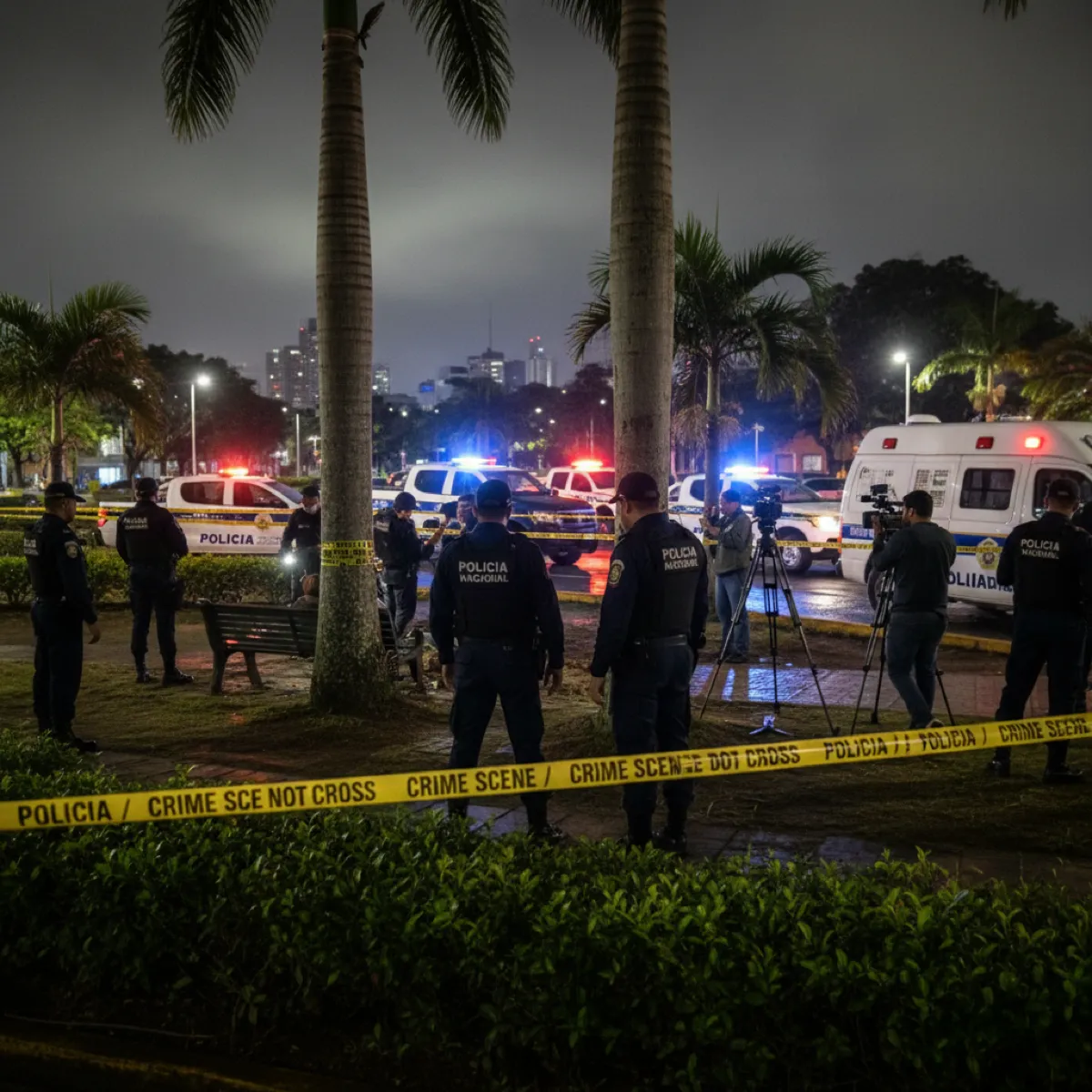
Gunmen opened fire with more than 50 rounds at a group gathered in a northern Guayaquil park near a school late Wednesday night, killing four people aged 25 to 65 and wounding two others in the latest act of sicario violence in the city.
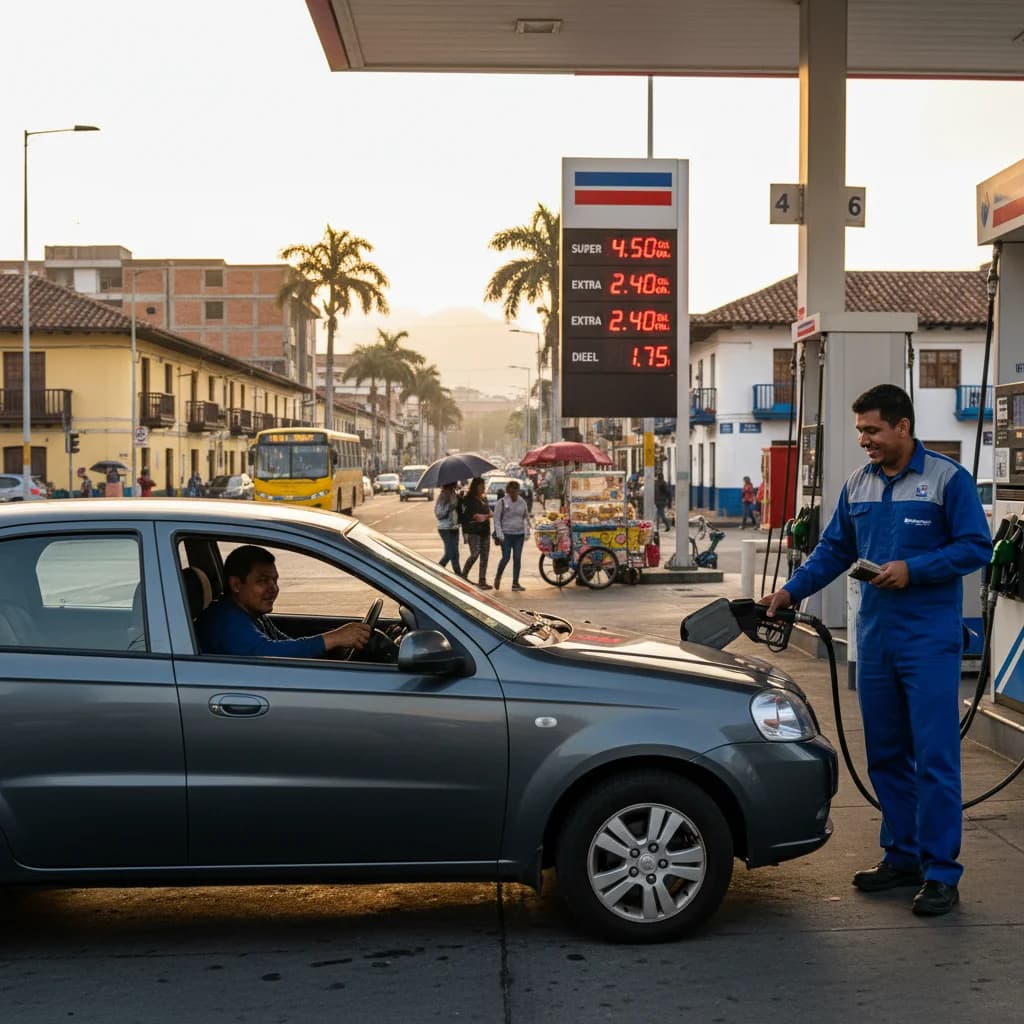
Ecuador’s monthly fuel price band adjusted at midnight. Extra and Ecopaís gasoline rose to $2.76/gallon, Súper Premium dropped to $3.19, and diesel barely moved at $2.70. The new prices hold through March 11.