"Drug Camp" Bombing Was a Dairy Farm — NYT Investigation Reveals

A joint U.S.-Ecuador military strike that was publicly celebrated as a blow against drug trafficking actually destroyed a civilian dairy farm -- and the workers on site were allegedly beaten and tortured by Ecuadorian soldiers. That is the finding of a New York Times investigation published in late March that has raised serious questions about the accuracy and oversight of Operation Southern Spear.
The Official Story
In early March 2026, shortly after Operation Southern Spear launched on March 3, U.S. and Ecuadorian officials promoted a military strike as a successful operation against drug trafficking infrastructure.
Defense Secretary Pete Hegseth publicly highlighted the strike as evidence that the joint operation was producing results. The Pentagon issued a statement describing the action as an "executed targeted action" carried out at Ecuador's request, implying a precision strike against a confirmed narco-trafficking site.
The message was clear: American intelligence and Ecuadorian boots on the ground were working together to dismantle cartel operations.
What Actually Happened
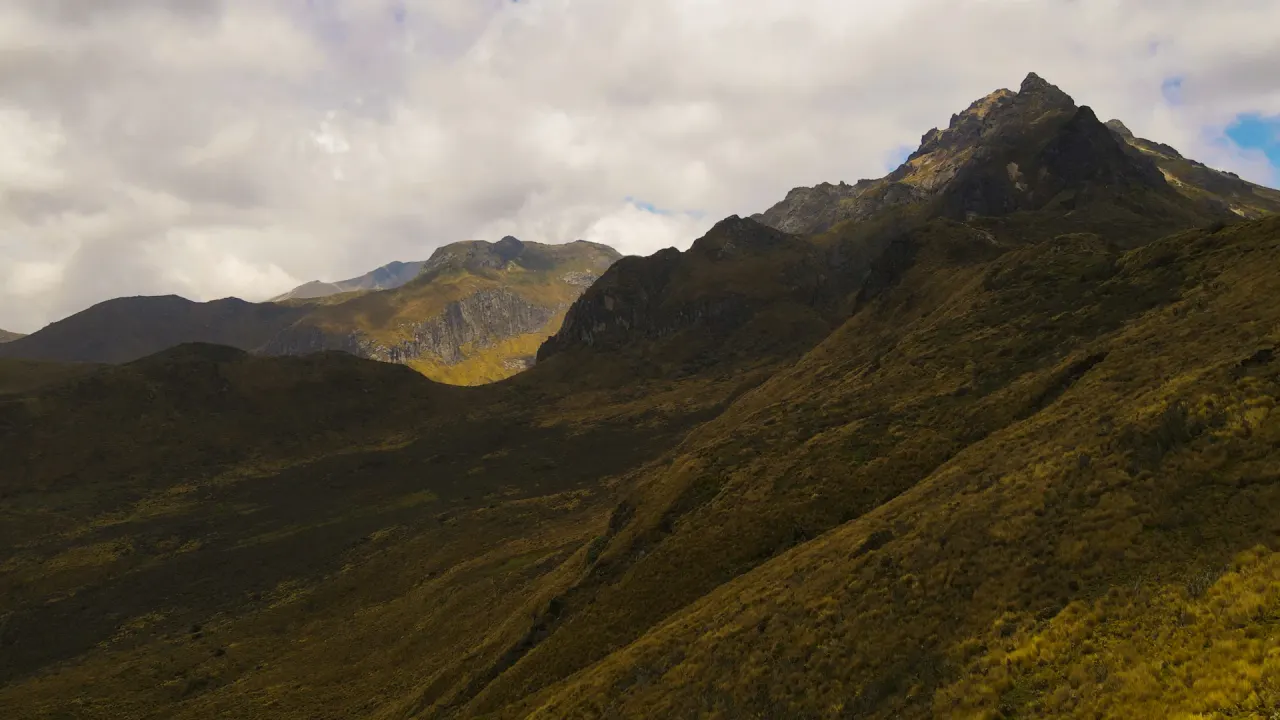
The New York Times sent reporters to the strike location in San Martin, a rural area in northern Ecuador. What they found contradicted the official narrative entirely:
- The targeted location was a working cattle and dairy farm, not a drug trafficking camp
- The farm had no connection to drug trafficking operations, according to local residents, workers, and evidence reviewed by the NYT
- The farm's structures -- barns, milking facilities, and worker housing -- were damaged or destroyed in the operation
- Livestock was present at the time of the strike
Worker Testimony
The most disturbing elements of the NYT investigation involve the treatment of farm workers by Ecuadorian soldiers during the operation:
- Workers reported being physically beaten during and after the raid
- Multiple workers described being subjected to choking by soldiers
- Workers alleged that soldiers used electrical shocks during interrogation
- The workers were civilians with no criminal records or connections to drug trafficking
- Some workers were detained for extended periods before being released without charges
These accounts, if accurate, constitute torture under international law -- specifically under the UN Convention against Torture, to which Ecuador is a signatory.
The Intelligence Failure
The dairy farm strike raises fundamental questions about the intelligence driving Operation Southern Spear:
How was the target identified? The U.S. provides intelligence and targeting information for joint operations. Either the intelligence was wrong from the start -- meaning the farm was never correctly identified as a drug operation -- or the targeting process failed to verify the intelligence before the strike was carried out.
Who verified the target? In military operations, target verification is a critical step designed to prevent exactly this kind of error. The fact that a dairy farm was struck suggests either the verification process was inadequate or was bypassed under pressure to produce visible results quickly.
Was there pressure to show early wins? Operation Southern Spear launched with significant political promotion from both the Trump administration and the Noboa government. The desire to demonstrate quick successes may have led to compressed timelines and reduced oversight.
Response and Accountability
The response from both governments has been carefully managed:
- The Pentagon has not retracted its initial statement or issued a correction regarding the "executed targeted action" characterization
- Ecuador's military has not publicly acknowledged the civilian nature of the target or addressed the torture allegations
- No disciplinary actions have been announced against any personnel involved in the operation
- No compensation has been offered to the farm owner or workers, as of reporting
The UN Committee on Enforced Disappearances has cited this incident as part of its broader concerns about military operations under Ecuador's repeated states of emergency.
Pattern, Not Anomaly
Human rights organizations have warned that the dairy farm strike may not be an isolated incident. The combination of factors that led to it -- rushed intelligence, political pressure for results, states of emergency granting expanded military authority, and limited accountability mechanisms -- creates conditions where similar errors are likely to occur.
Ecuador has been under some form of state of emergency for much of the past two years. During these periods, the military operates with expanded authority and reduced judicial oversight. The joint nature of Operation Southern Spear adds another layer of complexity to accountability, as responsibility can be shifted between two governments.
Historical Parallels
The incident echoes patterns seen in U.S. military operations in other countries:
- Strikes on wedding parties and civilian gatherings misidentified as militant targets in Afghanistan and Yemen
- Intelligence failures in Iraq where targets were identified based on flawed informant information
- Post-strike narratives that initially claim success before investigations reveal civilian casualties
The common thread is the gap between the political narrative ("precision strikes against confirmed targets") and the operational reality (civilian harm resulting from imperfect intelligence).
What This Means for Expats
Confused about which visa fits your situation? Book a 30-minute consultation with Chip and leave with a clear plan.
Book a consultation- This does not affect your personal safety in any direct way. The strike occurred in a rural area of northern Ecuador far from expat communities, and the military operations are not targeting foreign residents
- But the broader pattern matters. Military operations with weak accountability mechanisms can erode rule of law and civil liberties over time. If the government can destroy a civilian farm without consequence during a state of emergency, the precedent extends beyond counter-narcotics operations
- American expats should be aware of the U.S. role. The strike was enabled by American intelligence and promoted by the U.S. Defense Secretary. As American residents of Ecuador, understanding your government's military activities in your host country is important context for your daily life and relationships
- The human rights dimension is a political issue. Ecuador's upcoming elections may feature debate about the military's expanded role, the U.S. partnership, and civil liberties. How Ecuadorians vote on these issues will shape the security and governance environment you live in
- Source your information carefully. Initial official statements about military operations are not always accurate. The gap between the Pentagon's "executed targeted action" statement and the NYT's findings illustrates why independent journalism matters
Sources: GV Wire, New York Times
More in Safety
View all →Keep practical Ecuador coverage free to read.
Reader support helps fund source monitoring, translation, editing, publishing, and national coverage for expats across Ecuador.
Need help with your Ecuador visa? EcuaPass handles the paperwork for you. Learn more →
Comments
No comments yet. Be the first to share your thoughts!