Daily coverage from across the country, written for the expat community
Results for “remote work”Clear
An incident at the Paute Molino substation caused outages and programmed disconnections in several parts of Ecuador early Tuesday, including Quito, Guayaquil, Cuenca and Loja.
Primicias reports CNEL published a search tool for electricity cut schedules on Saturday, May 30, and Sunday, May 31. The schedules matter for residents planning errands, work, charging and travel over the weekend.
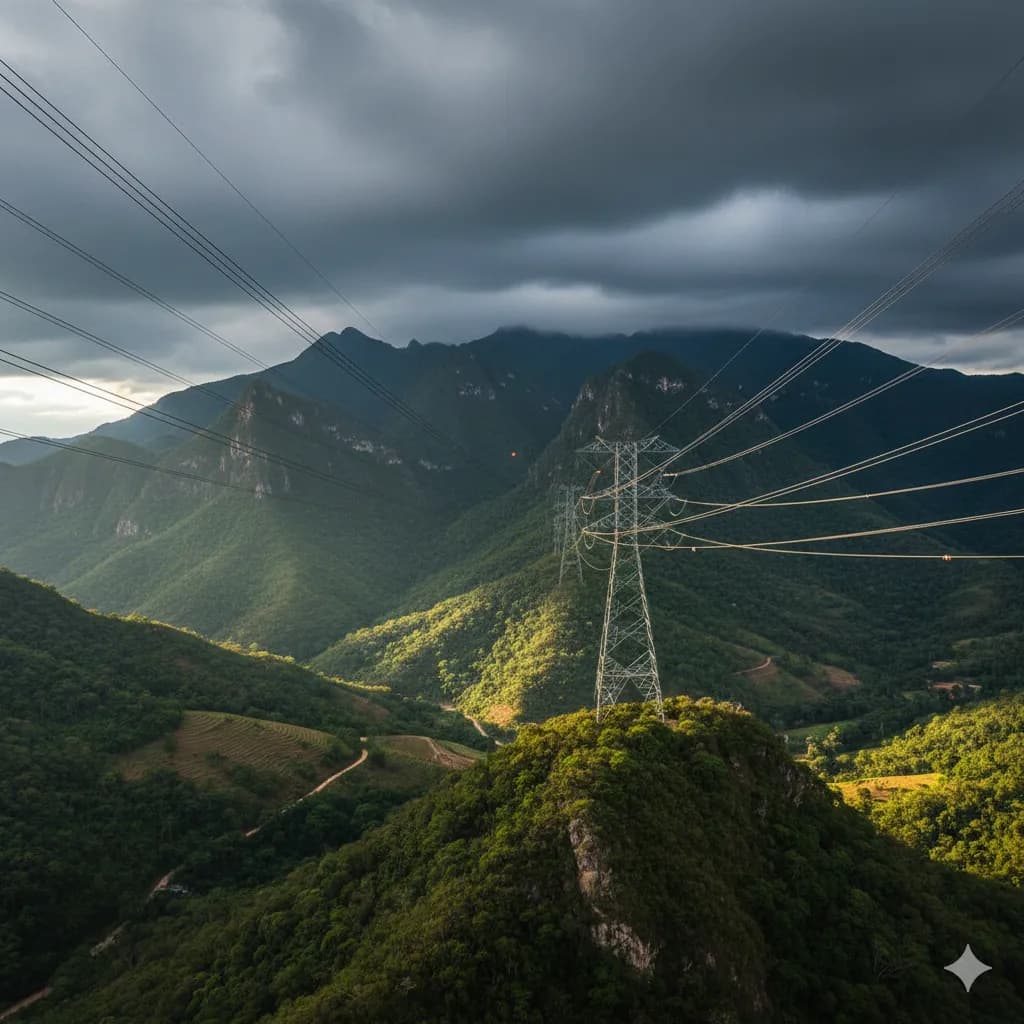
Without Colombian electricity and an unreliable Coca Codo Sinclair plant, Ecuador's grid operator projects rolling blackout risk during the October-March dry season. The government is scrambling to rent diesel generators.
The U.S. Trade Representative and Ecuador formalized a reciprocal trade deal covering approximately $2.786 billion in goods. U.S. beef tariffs will phase to zero over three years, pork tariffs are mostly eliminated, and Ecuador secures preferential treatment for over 90% of the U.S. agricultural schedule.
Ecuador's grid operator CENACE has ordered businesses to self-generate electricity from 9 AM to 11 PM on weekdays since March 17. The Coca Codo Sinclair dam is operating at 37% capacity, and Colombia has suspended 450 MW in electricity exports.
Ecuador remains 50-70% cheaper than the United States in 2026, but inflation and the Colombia trade war are nudging some prices higher. Here are the latest monthly budgets, healthcare costs, and price benchmarks for expats in Cuenca, Quito, and the coast.
Latin America's largest mobile carrier will spend $600 million over three years to modernize its Ecuador network, expand coverage, and roll out 5G. Service is already live in Guayaquil, Quito, Puerto Ayora, and Coca.
Ecuador's housing market is pulling in different directions — rents are rising faster than sale prices, the construction sector is growing 4.1%, and affordability is becoming a concern in popular expat areas. Here's where things stand.
The U.S. dollar has lost ground against major currencies, creating a mixed bag for Ecuador's dollarized economy: exports become more competitive and tourism gets a boost, but import costs rise — and you'll feel it at the supermarket.
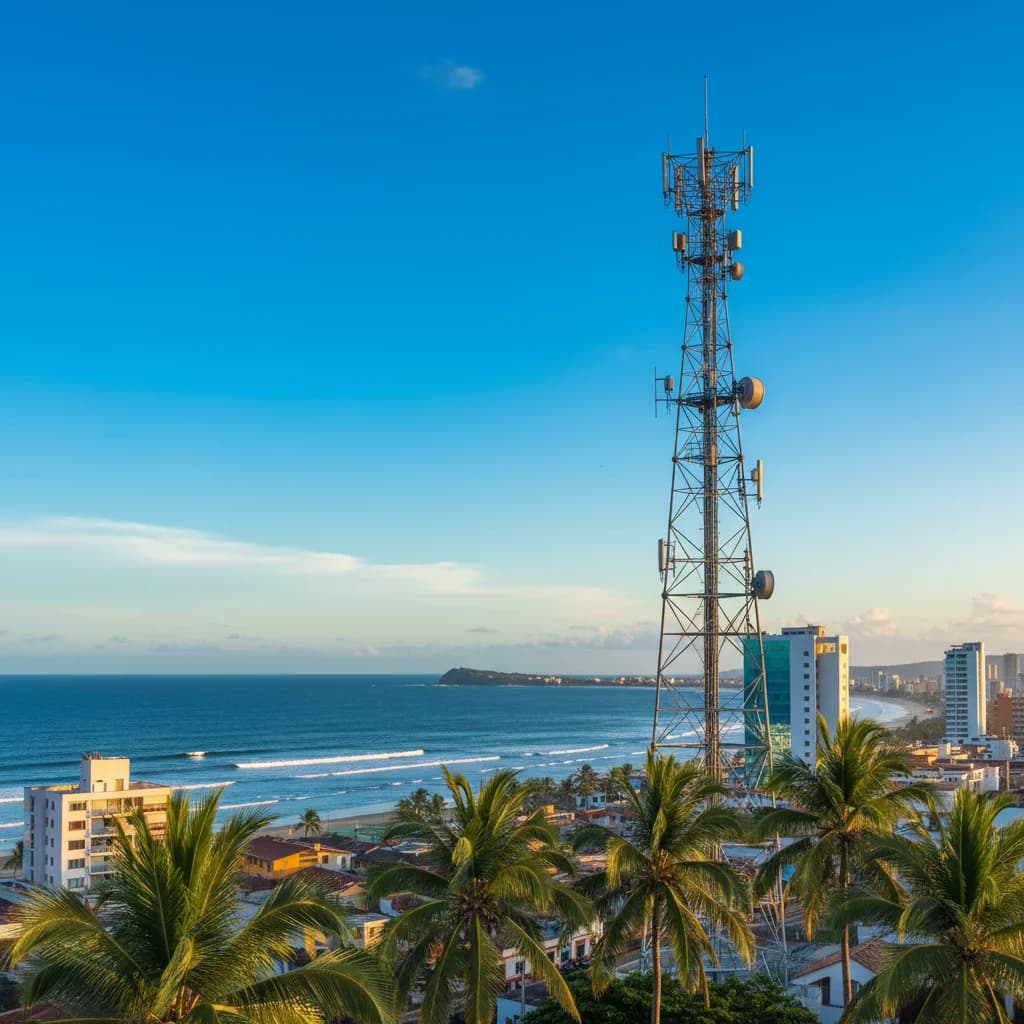
Ecuador's coast just got a significant internet upgrade. Seven 5G radio base stations are now operational in Manta, making it one of the first mid-sized cities outside Quito and Guayaquil to join the national 5G rollout.
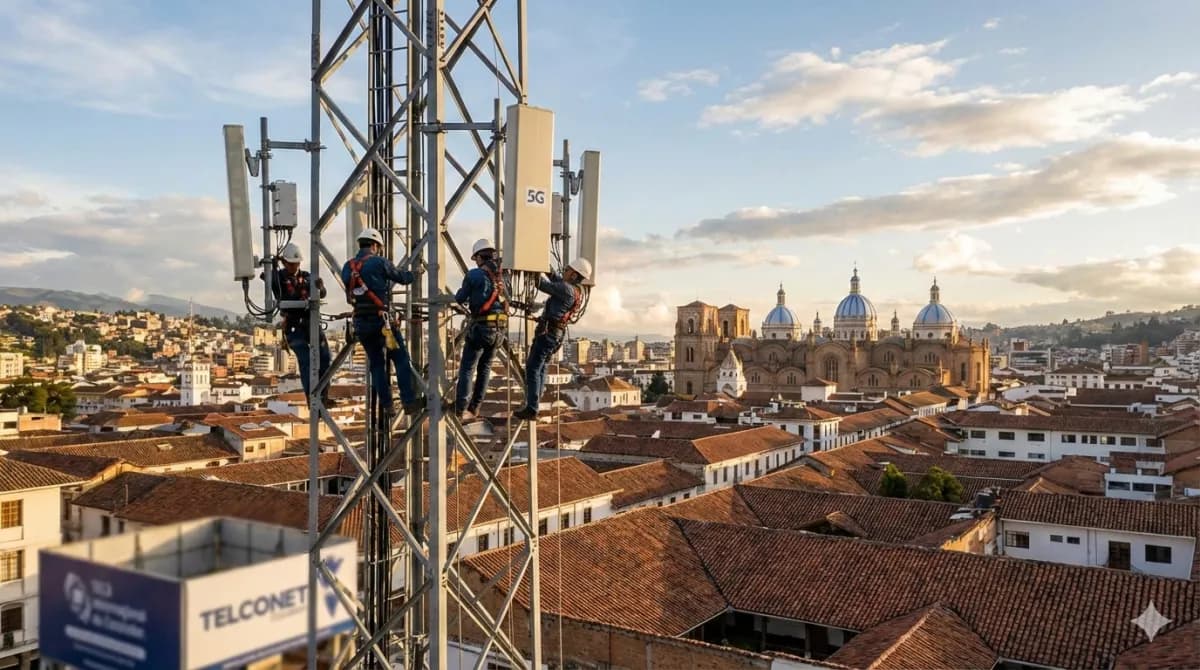
Ecuador's state-owned telecom CNT has begun installing 5G base stations in Cuenca as part of a 422-station nationwide rollout built with Nokia. Speeds up to 1.5 Gbps are expected by mid-year.
A bill working its way through Ecuador's legislature would establish a dedicated digital nomad visa with a $1,500 monthly income requirement and a two-year term -- potentially making the country far more accessible for remote workers.