Daily coverage from across the country, written for the expat community
Results for “real estate”Clear
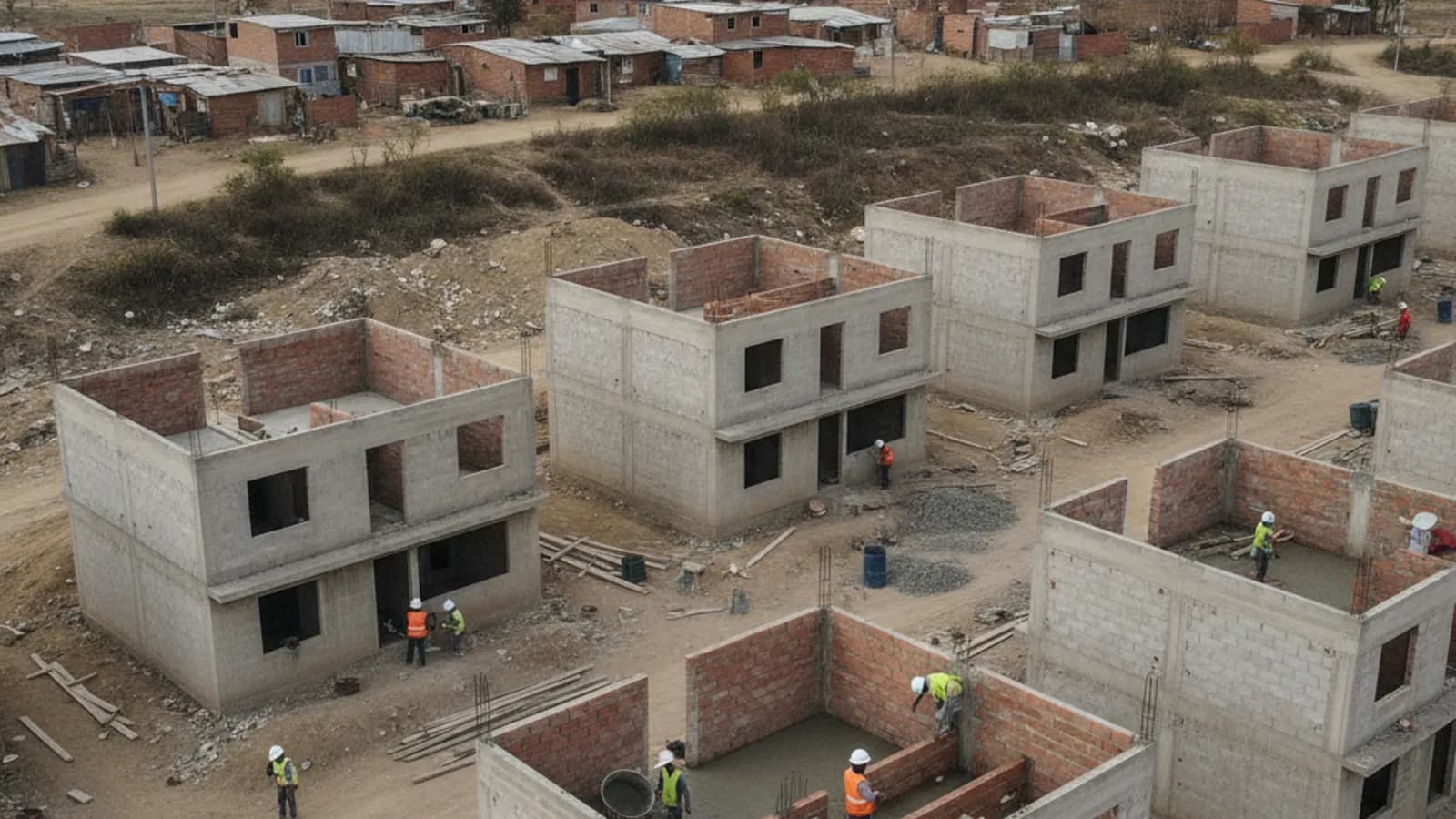
Ecuador issued Decree 441 on July 3, raising maximum values for certain social-interest housing categories. The change matters for buyers and developers watching subsidized housing, preferential mortgages, and lower-cost home inventory.
BIESS has modernized InmoBiess, a web platform where affiliates and retirees can review qualified housing projects and estimate mortgage payments. The tool includes projects by city, price and number of bedrooms, but it does not replace the formal credit evaluation.
Quito’s La Carolina and surrounding hypercenter remain among the city’s most demanded real-estate zones, with small units of 25 to 35 square meters in high demand. Market sources cite prices above $2,000 per square meter in high-end projects.
Net housing reservations in Ecuador rose 28% from January to April 2026 compared with the same period last year. Builders now project that annual housing sales could reach or exceed 40,000 units if favorable conditions continue.
Ecuador’s country-risk indicator closed at 386 basis points on June 12, the lowest level reported since September 30, 2014. The drop signals improved market confidence, though it does not immediately change day-to-day costs for residents.
Quito's Property Registry says payment orders for 20 registry procedures and certificates can now be generated automatically in about 20 minutes. The same step previously took 24 to 48 hours, and payment orders are valid for eight days.
Primicias reports that mortgage-credit disbursements grew 22% in the first quarter of 2026 compared with the same period in 2025. Sales, project visits and net reservations also rose, giving buyers and renters another signal that the housing market is tightening.
The May 6 placement of $1 billion in bonds drew $7 billion in demand from 200 international investors. Country risk is at its lowest since 2014. Here's what it means for the economy.
International investors put up $7 billion in orders for $1 billion in Ecuadorian sovereign bonds. The yield improved, the country risk hit an 11-year low, and the government says it proves confidence is back.
Average salary expectations have dropped 2.66% this quarter to $818, while the basic food basket costs $829. Here's what the gap means for Ecuador's economy and the expat cost-of-living picture.
Ecuador's riesgo país fell to 404 points on April 22, the lowest since 2015. GDP grew 3.7% in 2025, international reserves jumped 42%, and the IMF just disbursed another $394 million. Here's what the improving trajectory means for expats.
Ecuador's EMBI country risk indicator closed at 409 points on April 17 — the lowest level since October 2014. The reading reflects higher oil prices, an IMF $400M disbursement, and a growth forecast upgraded from 1.8% to 2.5% for 2026. Here's what it means for cost of living and investment.