Daily coverage from across the country, written for the expat community
Results for “rain”Clear
A new look at Ecuador’s transmission system shows 12 of 45 power transformers operating beyond their designed life, with several strategic substations lacking a reserve transformer.
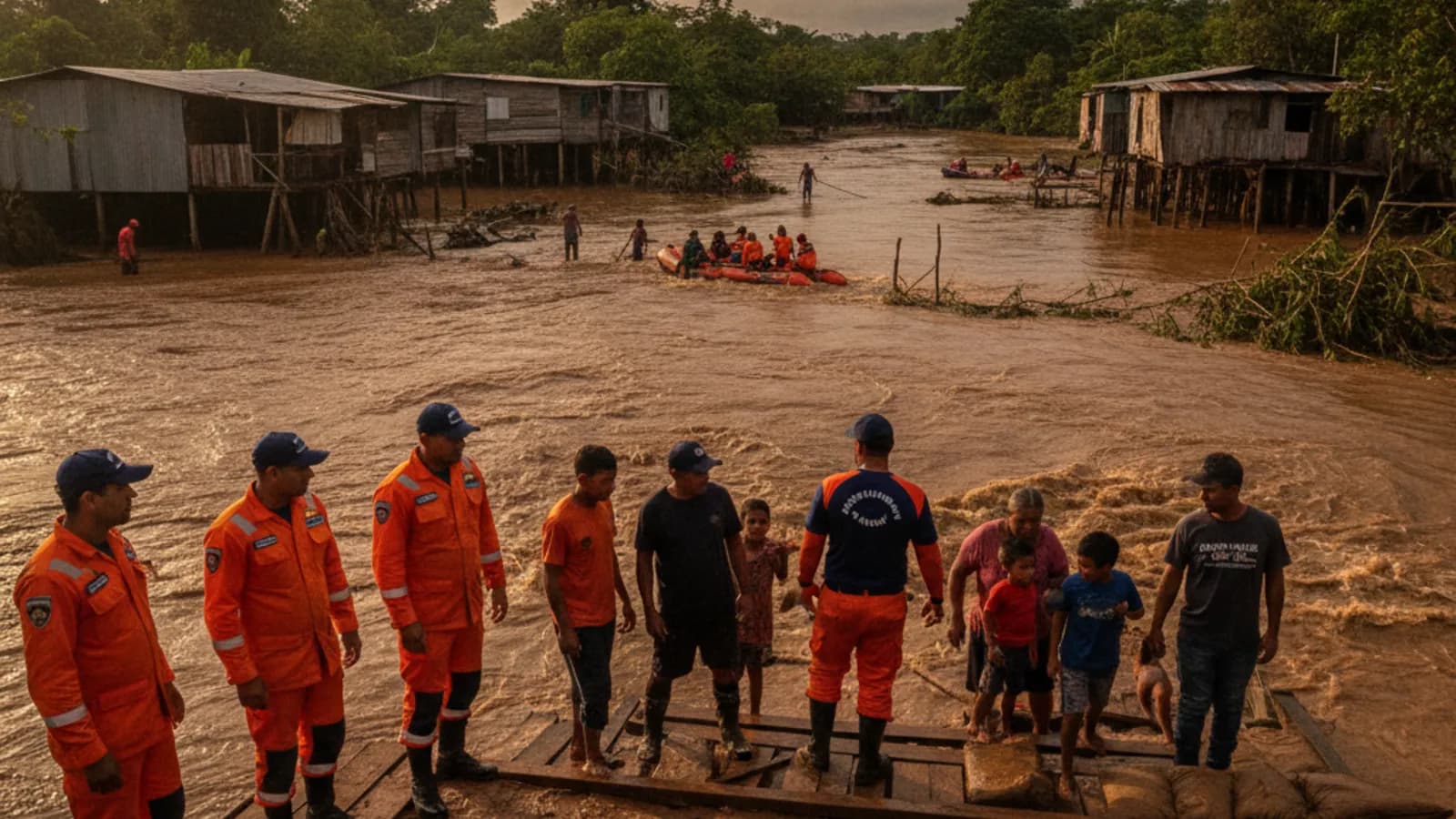
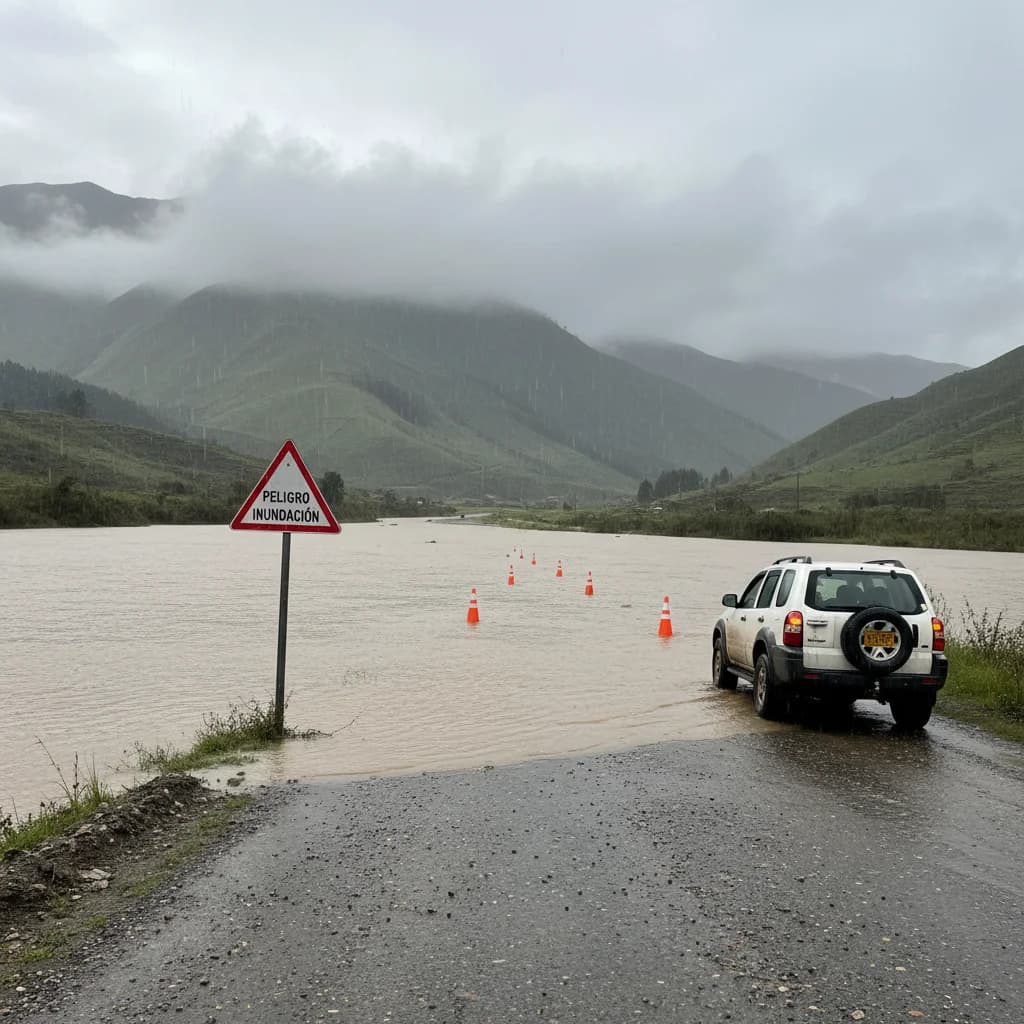
A severe flooding emergency in Zamora Chinchipe left five people dead, trapped residents on roofs and river islets, and disrupted the Loja-Zamora route. Rescue teams reported 38 civilians and 10 firefighters brought to safety.
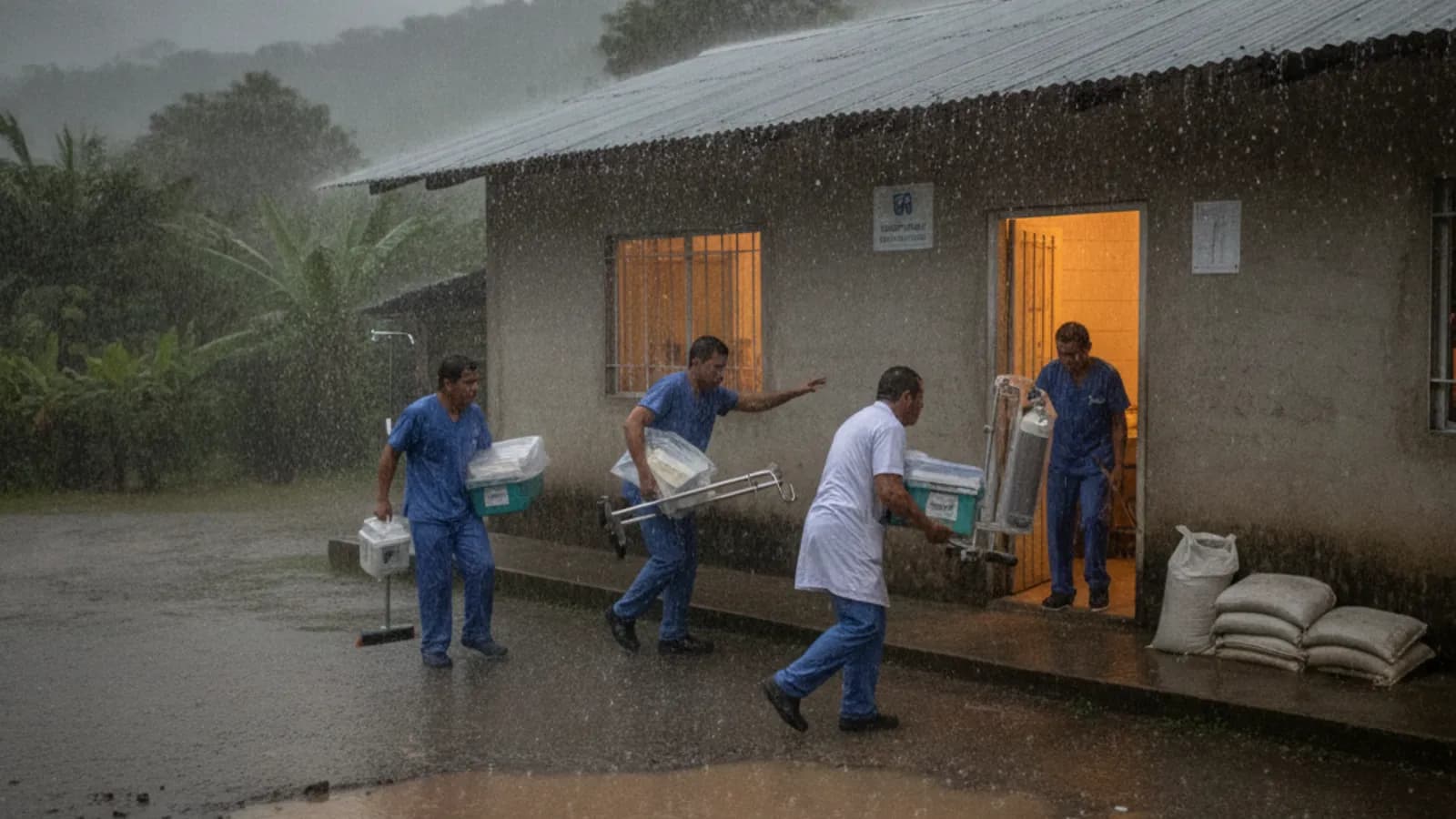
At least 460 hospitals and health centers are located in Ecuador parishes under yellow alert for El Nino. Most are small health centers, and the risk list is concentrated heavily in Manabi and Guayas.
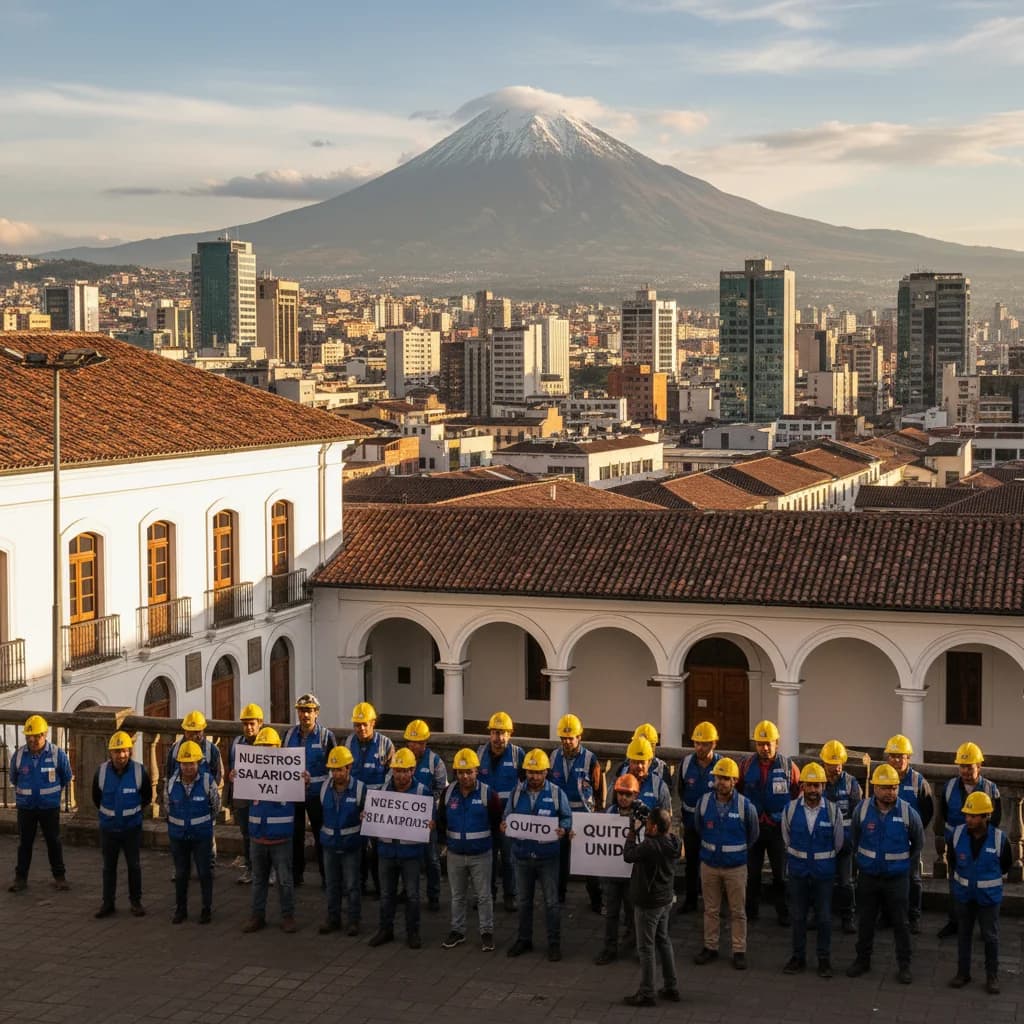
Quito has begun a 12-kilometer road rehabilitation package around five Metro Centro Norte stations. The contract covers 86 road segments, nine months of work, and a $6.5 million investment.
Families of missing persons say Ecuador needs more operational capacity and personnel for search cases. Official figures cited by Expreso show training and victim-service activations rising, but relatives say the response still falls short.
INAMHI’s June 28 forecast calls for variable rain, especially in the Amazon, with scattered afternoon and nighttime rain expected in Cuenca. The Coast should be mostly clear, except possible drizzle in Santo Domingo de los Tsáchilas and Esmeraldas.
INAMHI expects variable-intensity rain on June 27, especially in the Amazon region. A meteorological alert remains in effect through June 28 for moderate to strong rain in the Amazon and isolated events in the northern Coast.
A strong storm in Santo Domingo on the night of June 25 caused flooded homes and damage to educational and sports infrastructure. Emergency calls came after 23:00, with responders mobilized through ECU 911.
Colombia is considering restarting electricity exports to Ecuador, but El Niño could make those sales uncertain from November 2026 into early 2027. The issue matters because the Colombia interconnection can supply about 450 MW, nearly 10% of Ecuador’s average demand.
Manabí remains under yellow alert as authorities prepare for possible El Niño impacts. Risk work is focused on river basins, rural flood zones, unstable slopes and historically affected cantons including Chone, Portoviejo, Rocafuerte, Sucre, Santa Ana, Montecristi and Jipijapa.
Tumbaco residents and Quito firefighters are watching the dry season closely after serious fire emergencies between 2023 and 2025. Forest fires have fallen in the urban Tumbaco sector, but waste burning remains a persistent risk, with 73 waste-burn events in 2025 and 19 already counted in 2026.
Ecuador’s Jóvenes en Acción program is expanding from 80,000 to 150,000 beneficiaries. Registration opened June 16 for vulnerable young adults ages 18 to 29, with selected participants receiving three $400 transfers over three months after completing assigned activities.