Daily coverage from across the country, written for the expat community
Results for “public transit”Clear
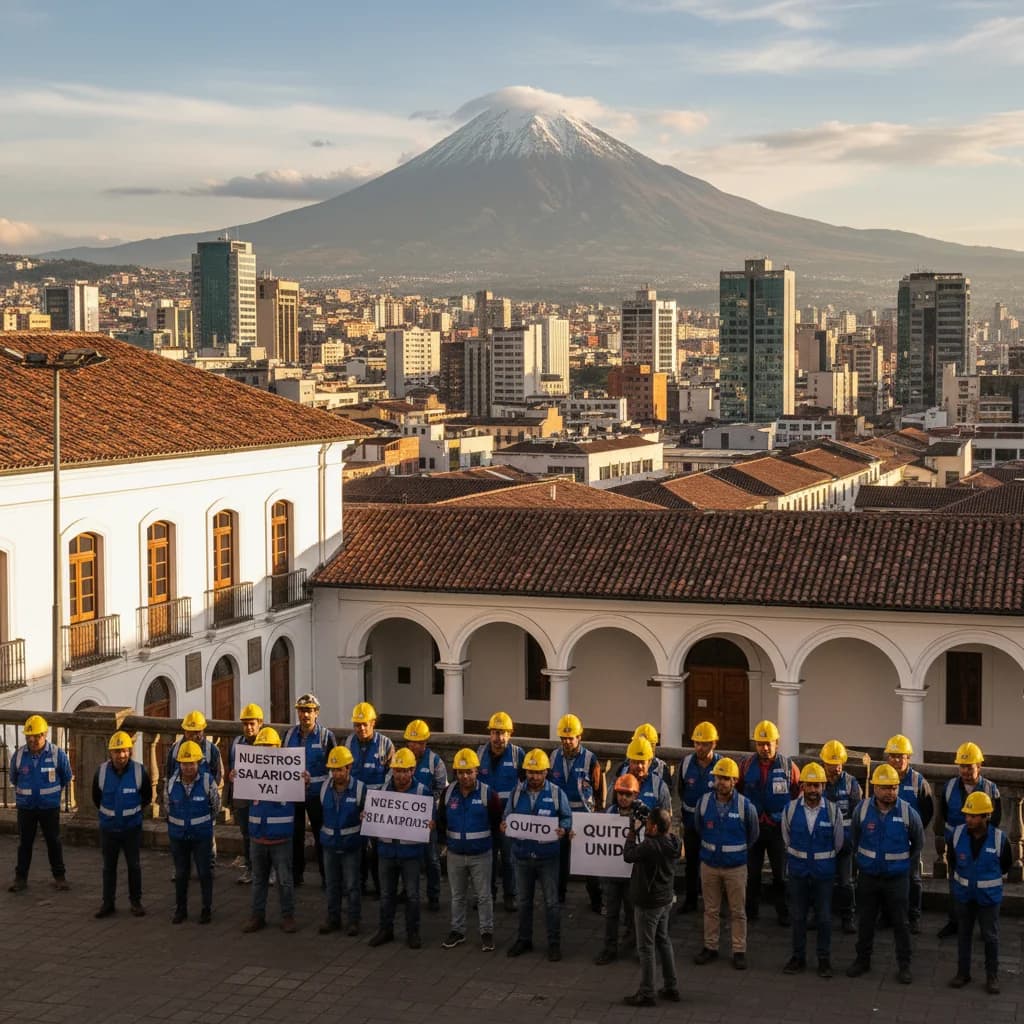
After Monday's paralysis that stranded 1.5 million commuters, Quito's blue buses resumed normal service Wednesday. But the underlying dispute is heading to formal negotiations on May 13, and a fare increase to /bin/zsh.65 is on the table.
Quito woke up without bus service on May 5 as operators cut hours to protest the end of diesel subsidies. The city handles 2 million transit trips daily, and 1.5 million of them depend on these buses.
An 11 PM to 5 AM curfew is in effect across nine provinces and four cantons through May 18. No safe-conduct passes will be issued. Here is everything expats need to know, from affected areas to the only exemptions that exist.
The April 12 fuel price hike is already flowing through to family budgets on the coast. One south Guayaquil family reports their nephew's round-trip school transport jumped from $50 to $60 per month. The coastal school year just started — and the cost structure changed with it.
WTI crude surged past $100/barrel in early April, driven by the Middle East conflict and Strait of Hormuz disruption. For Ecuador, it's a double-edged sword: oil exports bring in more revenue, but the fuel band system passes the pain directly to consumers at the pump.
Ecuador's monthly fuel price adjustment on April 12 could push low-octane gasoline past the $3/gallon mark for the first time in history. Extra and Ecopaís currently sit at $2.89/gallon; with the 5% monthly cap, they could reach $3.03. Diesel may hit $2.96. The driver: global oil price spikes from the Strait of Hormuz disruption.
Police in Guayaquil dismantled a massive phone theft operation involving 25,000 stolen devices valued at over $3 million. Authorities recovered approximately 30% of the phones through device tracking. The scale reveals how organized phone theft has become -- and why basic security practices matter for every resident.
Holy Week runs Palm Sunday (March 29) through Easter Sunday (April 5). Good Friday April 3 is the national holiday. Holy Thursday April 2 is NOT a holiday unless the government issues a special decree. Banks, government offices, and most businesses close April 3.
Holy Week runs March 29 through April 5 this year. Good Friday (April 3) is a non-recoverable national holiday. Holy Thursday is NOT a public holiday. Here is what expats need to know about closures, events, and travel.
Ecuador's 2026 local elections will determine mayors, prefects, and city council members across the country. Contested races in Quito, Guayaquil, and Cuenca could reshape municipal governance in the cities where most expats live.
Holy Week starts next weekend. Good Friday (April 3) is the only mandatory national holiday — Thursday is NOT a holiday this year. Expect massive domestic travel to the coast, packed buses, and Quito's world-famous processions.
An 'urgent' efficiency law working through the National Assembly would force Quito to slash current spending and could eliminate 5,000 municipal positions. Mental health services, community dining, animal welfare programs, and even Metro expansion plans are on the chopping block.