Daily coverage from across the country, written for the expat community
Results for “protests”Clear
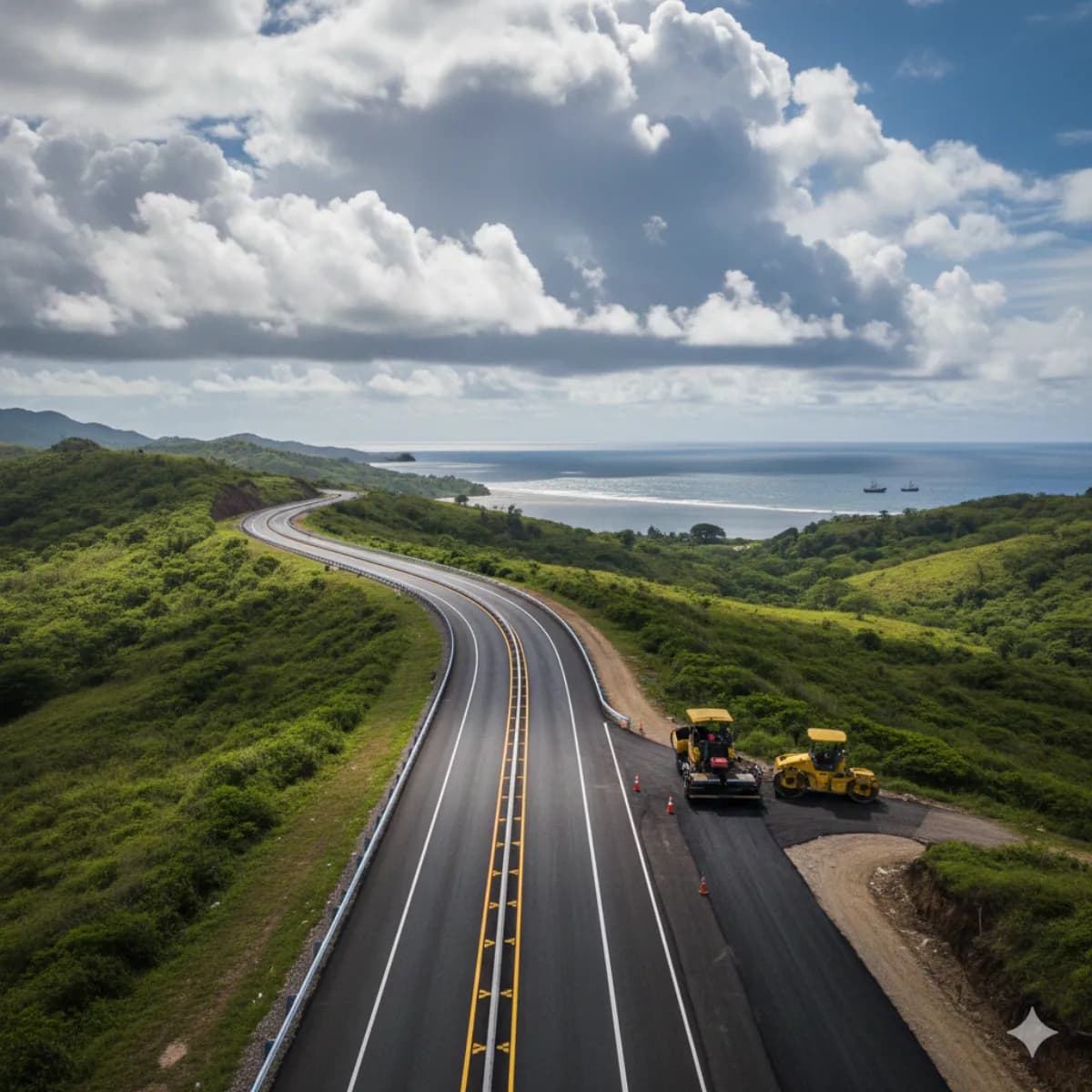
Ecuavisa reports that Guayaquil's ATM will install a traffic light at kilometer 14.5 of Via a la Costa after protests over fatal crashes, while Expreso reports residents have criticized the lack of safe pedestrian crossings in the area.
Ecuador's April 12 fuel adjustment raised Extra and Ecopaís gasoline by 4.6%, diesel by 4.7%, and Súper by 26% — from $3.62 to $4.57 per gallon. Transport associations are planning a march in Quito and warning that costs will be passed through to importers, exporters, and ultimately consumers. Here's the breakdown.
President Noboa signed Decreto 353 on April 2, declaring a 60-day state of exception across nine provinces and four cantons. Warrantless searches are now legal in affected areas, though no curfew has been imposed. Expats in Pichincha, Guayas, Manabi, and other covered provinces should understand what rights have been suspended.
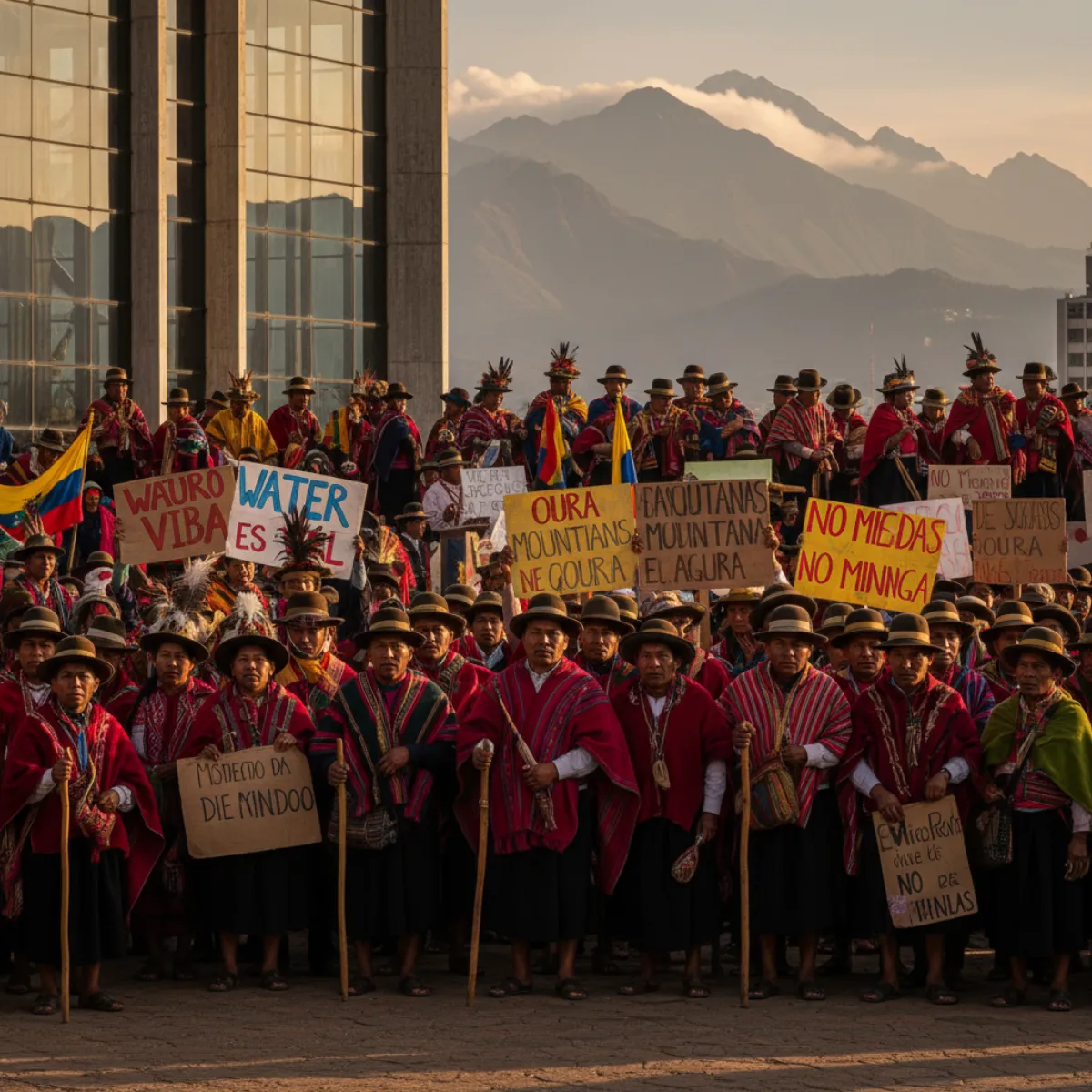
Ecuador's National Assembly passed a new mining and energy law 77-70 on February 26, replacing environmental licenses with simplified authorizations and allowing rock extraction in the Galapagos Islands. CONAIE and environmental groups are protesting the changes as a rollback of decades of conservation policy.
Gasoline and diesel prices in Ecuador are expected to increase approximately 5% when the monthly band adjustment takes effect on April 12. Extra and ecopais gasoline currently at $2.89/gallon and diesel premium at $2.82/gallon are being pushed higher by WTI crude above $100/barrel.
The U.S. Trade Representative and Ecuador formalized a reciprocal trade deal covering approximately $2.786 billion in goods. U.S. beef tariffs will phase to zero over three years, pork tariffs are mostly eliminated, and Ecuador secures preferential treatment for over 90% of the U.S. agricultural schedule.
An electoral judge suspended Citizens' Revolution (RC), former President Rafael Correa's party, for nine months — just two days after a complaint was filed and without a defense hearing. The timing effectively bars the party from registering candidates for 2027 local elections.
President Noboa's executive decree MDT.2026-059 allows employers to schedule 10-hour workdays within the existing 40-hour weekly cap. Unions were not consulted, and mass protests erupted on March 13 in Quito and Guayaquil. Noboa's approval rating has dropped to 38%.
A new Human Rights Watch report reveals that Ecuador continues extracting 1.24 million barrels per month from Block 43 in Yasuní National Park — two and a half years after voters said stop, and one year after a court ordered it. The Tagaeri and Taromenane indigenous peoples remain unprotected.
At a 54-nation Critical Minerals Ministerial in Washington, the US formally recognized Ecuador's rare earth elements, copper, and gold deposits as strategically important — unlocking up to $10 billion in EXIM Bank financing and DFC investment guarantees for mining development.
The U.S. Embassy has issued security alerts for downtown Guayaquil, warning American citizens about ongoing demonstrations following the arrest of Mayor Aquiles Alvarez on money laundering charges. Expats are advised to avoid protest areas and carry identification at all times.
Indigenous leader Marlon Vargas calls President Noboa's urgent mining and energy reform a threat to water, territories, and collective rights. The National Assembly has until March 2 to vote on the bill, and CONAIE is calling for unity against it.