Daily coverage from across the country, written for the expat community
Results for “prices”Clear
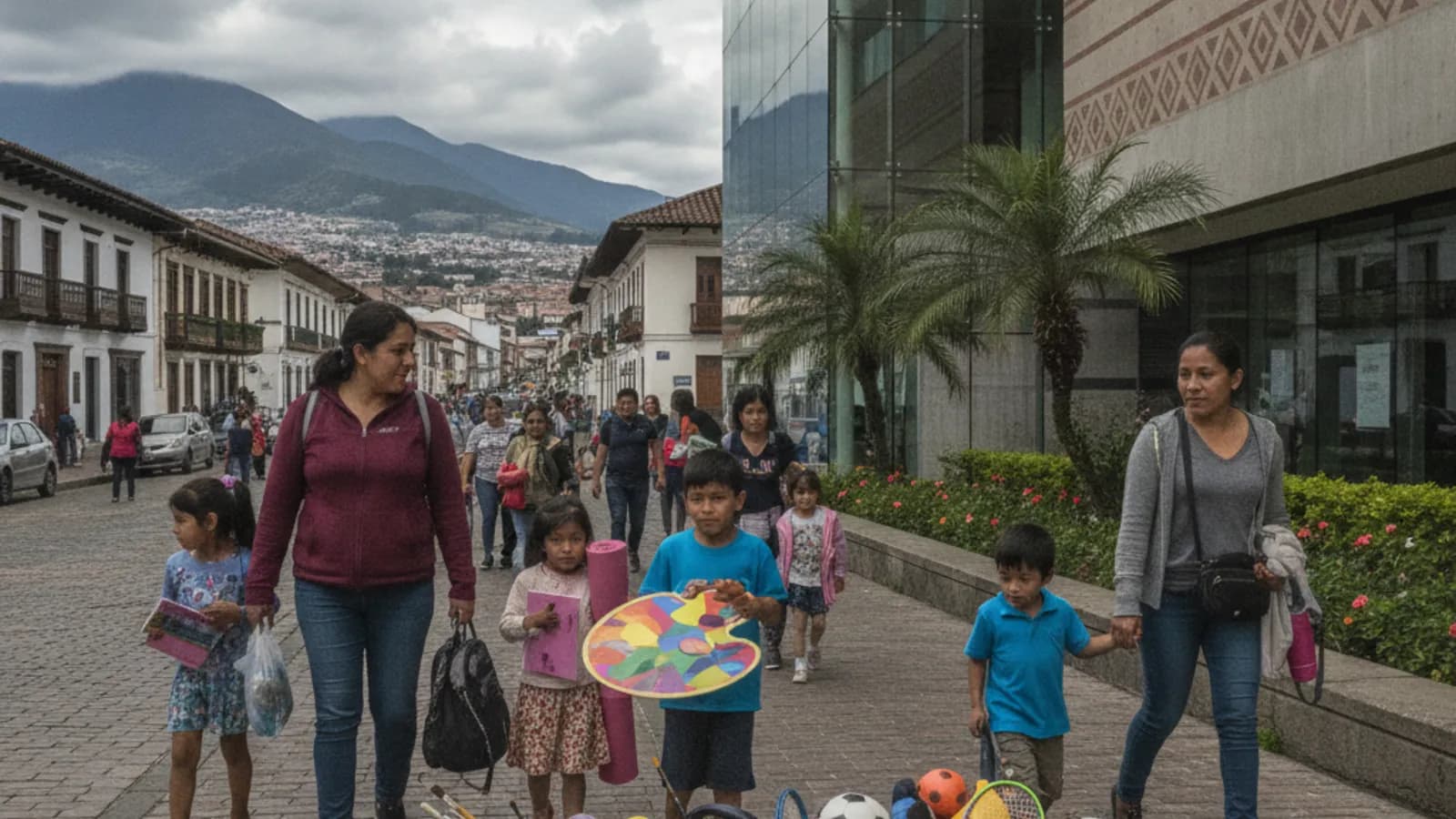
Quito’s school-vacation season now includes municipal and private courses for children, teens, and adults. Options range from free workshops and city activities to Cumbaya programs priced by week or full camp.
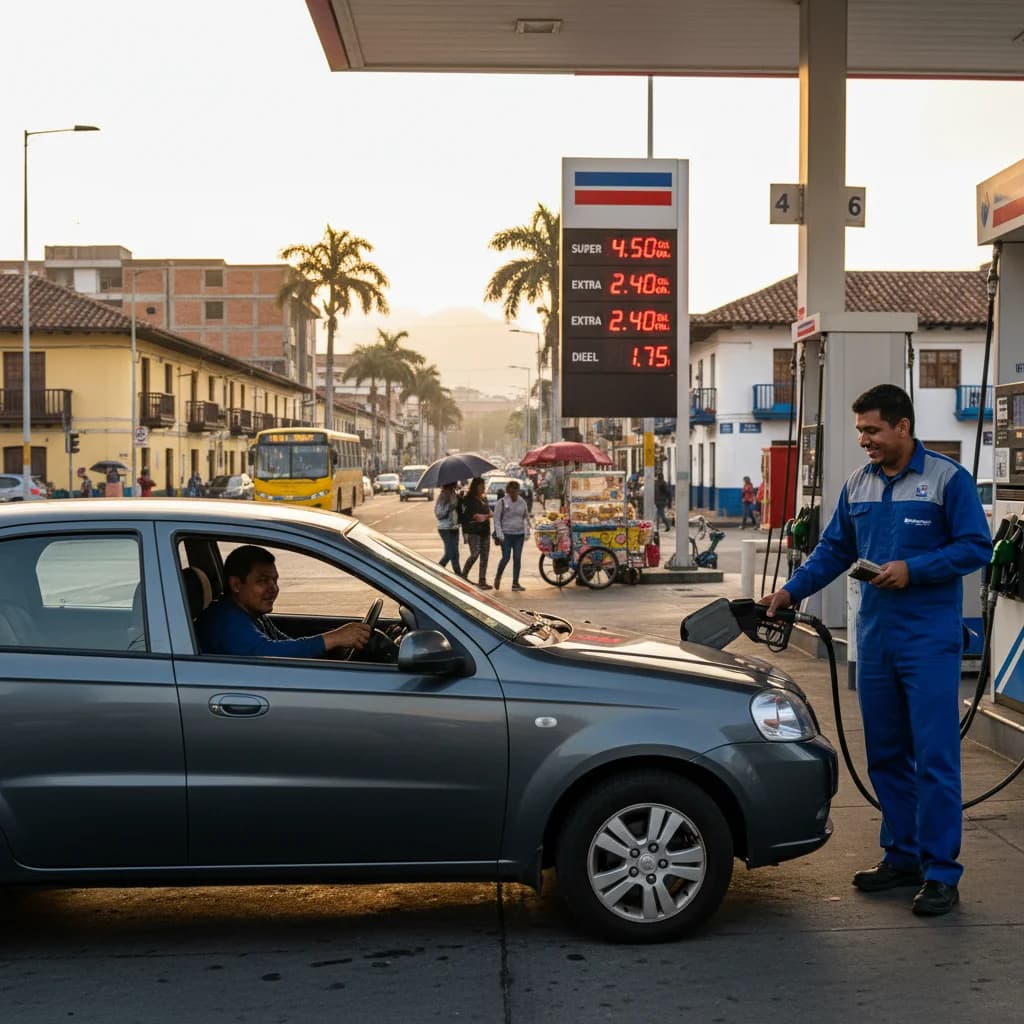
Teleamazonas reports that diesel reached USD 3.25 per gallon in June 2026 and Extra gasoline reached USD 3.31. Prices continue to adjust monthly under Ecuador’s band system tied to international fuel-market movement.
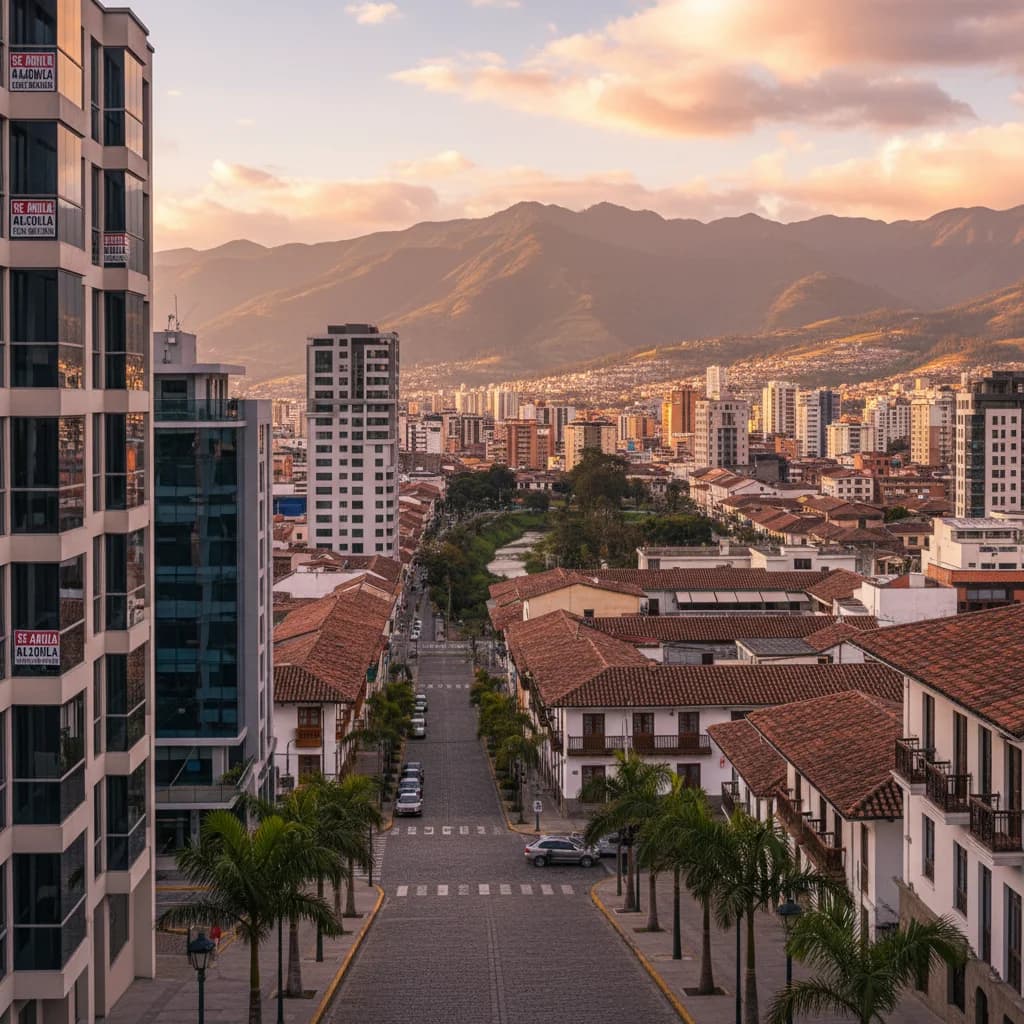
Quito’s La Carolina and surrounding hypercenter remain among the city’s most demanded real-estate zones, with small units of 25 to 35 square meters in high demand. Market sources cite prices above $2,000 per square meter in high-end projects.
Ecuador is checking gas stations, terminals and distribution centers before fuel prices update on June 12. Officials say gasoline extra, ecopaís, diesel and super are being dispatched normally, while the Esmeraldas refinery has recovered to about 90% of technical capacity.
HIV patients at Quito's Carlos Andrade Marin Hospital say they have gone more than 15 days without TLD antiretroviral medication. Patient advocates estimate 1,600 HIV patients are treated at HCAM, while national health figures put Ecuador's HIV population at 52,357 people.
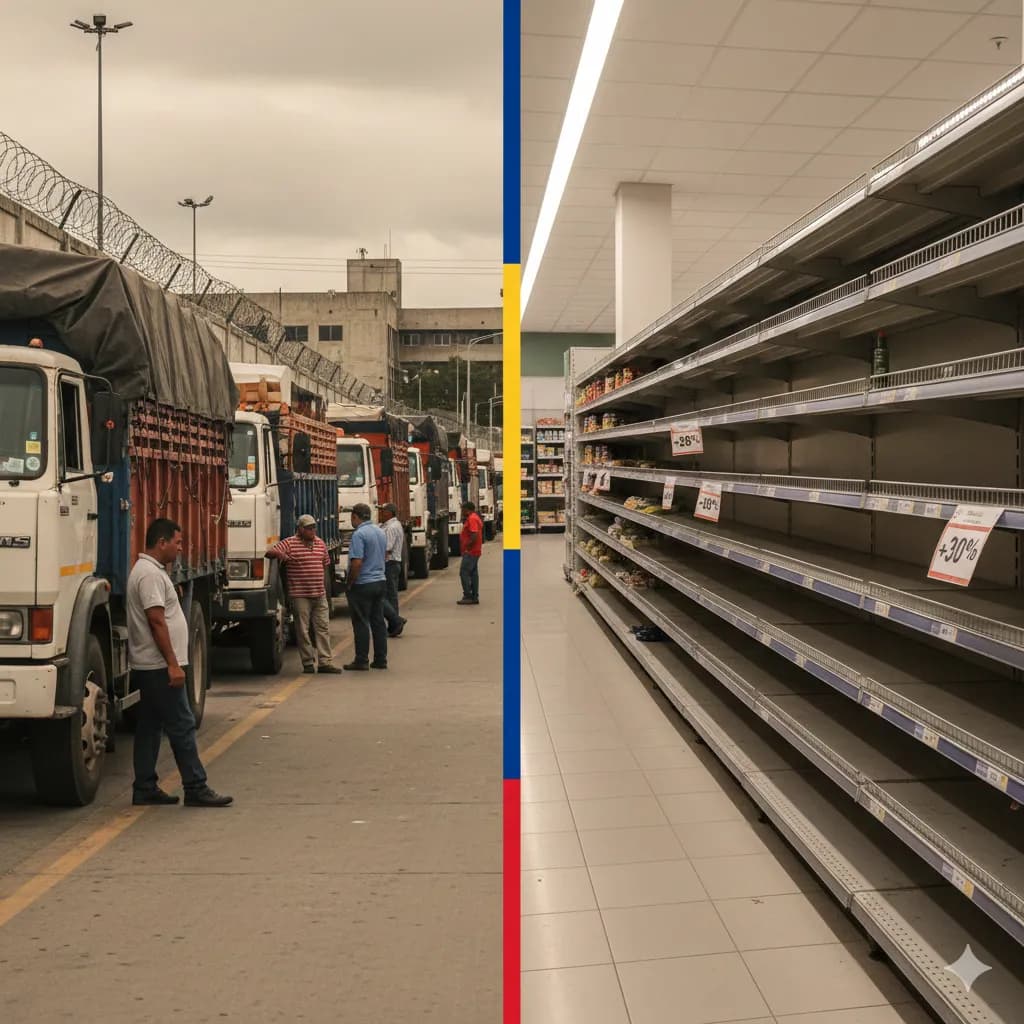
Primicias reports President Daniel Noboa ordered Ecuador's security tariff on Colombian imports eliminated from June 1. The tariff had reached 100% during the trade dispute and affected products including medicines, cosmetics and plastic and rubber manufactures.
Primicias reports that Petroecuador produced 356,867 barrels per day in April 2026, down 17,733 barrels per day from April 2025. The shortfall came while Ecuador's crude prices stayed well above the state budget assumption.
Primicias reports that mortgage-credit disbursements grew 22% in the first quarter of 2026 compared with the same period in 2025. Sales, project visits and net reservations also rose, giving buyers and renters another signal that the housing market is tightening.
Monthly inflation reached 0.53% in April 2026, driven mainly by transport costs, with annual inflation at 2.6%. Meanwhile Ecuador's tariff on Colombian goods escalated to 100% on May 1. What it means for anyone living here on a fixed or foreign income.
The May 12 price adjustment is official — diesel crossed $3/gallon for the first time, stations in Quito and Guayaquil are running dry, and Ecuador is importing 65% of its fuel. The refinery FCC unit restarts May 15.
Drivers in Guayaquil and Quito report stations hiding Extra gasoline before the May 12 price adjustment. Terminal dispatches are down 33%. Fill up now if you can.
After Monday's paralysis that stranded 1.5 million commuters, Quito's blue buses resumed normal service Wednesday. But the underlying dispute is heading to formal negotiations on May 13, and a fare increase to /bin/zsh.65 is on the table.