Daily coverage from across the country, written for the expat community
Results for “population”Clear
Spain’s housing prices rose about 14% in the first quarter of 2026, and Ecuadorian migrants are concentrated in several of the pressured markets. Madrid alone has around 130,000 Ecuadorian residents.
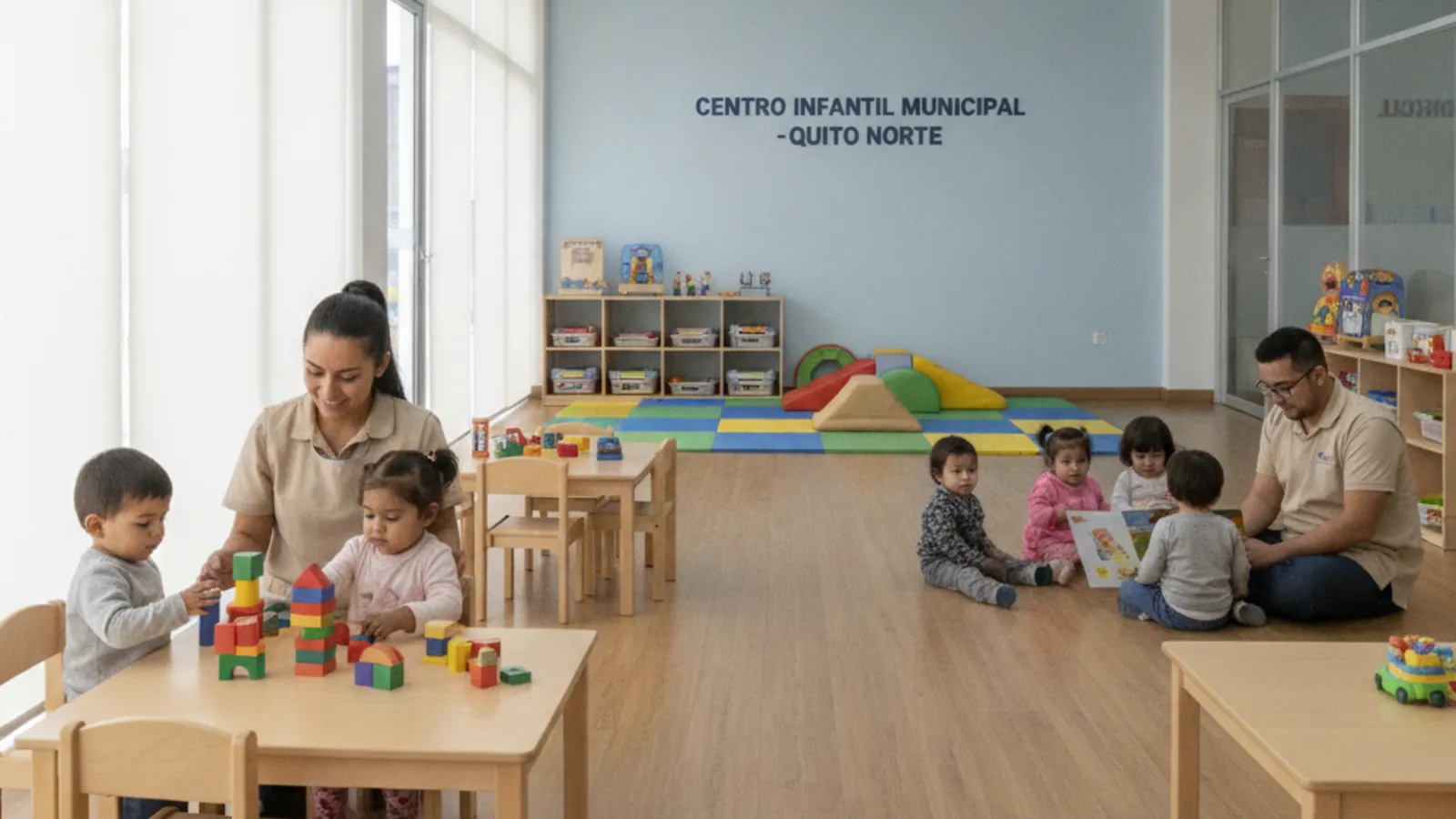
Quito is adding a new Quito Wawas center in Atucucho for 100 children ages 1 to 3. The free service is aimed at vulnerable families and includes meals, early stimulation, pedagogy, and health follow-up.
Research based on hospital discharge and Solca data found that skin-cancer impact is concentrated among people over 65, especially men, with Pichincha, Azuay, Loja, Guayas and Manabi highlighted in the study.
Ecuador added 10 substances to its controlled list after warnings about synthetic-drug risks and abuse potential. The change also comes with a plan to create 24 provincial committees to coordinate drug policy in the territories.
Primicias reports Ecuador recorded 10,562 tuberculosis cases in 2025 and 676 deaths nationwide. The report says prisons accounted for 2,576 cases, highlighting a public-health problem concentrated inside the prison system.
La Hora reports that Ecuador recorded 262 massacre events in 2025 and 94 more in the first quarter of 2026, citing the Observatorio Ecuatoriano de Crimen Organizado.
Ecuador's weather service flagged moderate-to-heavy rain, electrical storms, strong wind gusts and flooding risk from 4:00 p.m. May 17 until noon May 20, spanning coastal, highland and Amazon provinces. Here's who's affected and what to do.
Ecuador's health regulator found Listeria monocytogenes in a batch of La Artesanal chocolate ice cream made by Helados Novísimo. The lot has been pulled from shelves and the factory suspended. Here's the lot number and what to do.
The National Assembly approved a law making financial education mandatory across all levels of Ecuador's education system, from early childhood to university. The curriculum will cover electronic fraud prevention, safe digital platform use, and AI literacy. Revolución Ciudadana voted against despite one legislator calling it 'objective and technical.'
Two armed attacks in fewer than 15 days have shaken Salinas — Ecuador's best-known beach resort. Seven people were wounded in the Sunday attack on the malecón, and the canton has now recorded 13 homicides so far in 2026, two of them along the waterfront. Governor Xavier Negrete says he has formally notified Interior Minister John Reimberg. Here's what's known.
Ecuador's National Assembly passed a new mining and energy law 77-70 on February 26, replacing environmental licenses with simplified authorizations and allowing rock extraction in the Galapagos Islands. CONAIE and environmental groups are protesting the changes as a rollback of decades of conservation policy.
Pope Leo XIV delivered his first Easter message from the Vatican, calling on the world to reject indifference to violence and suffering. For Ecuador's deeply Catholic population, the new Pope's words carry particular weight during a Semana Santa marked by ongoing security challenges.