Daily coverage from across the country, written for the expat community
Results for “fuel”Clear
Interprovincial buses were operating normally Friday morning after Fenacotip called off its planned July 3 stoppage. Travelers should still watch the fare talks now moving to technical tables with ANT.
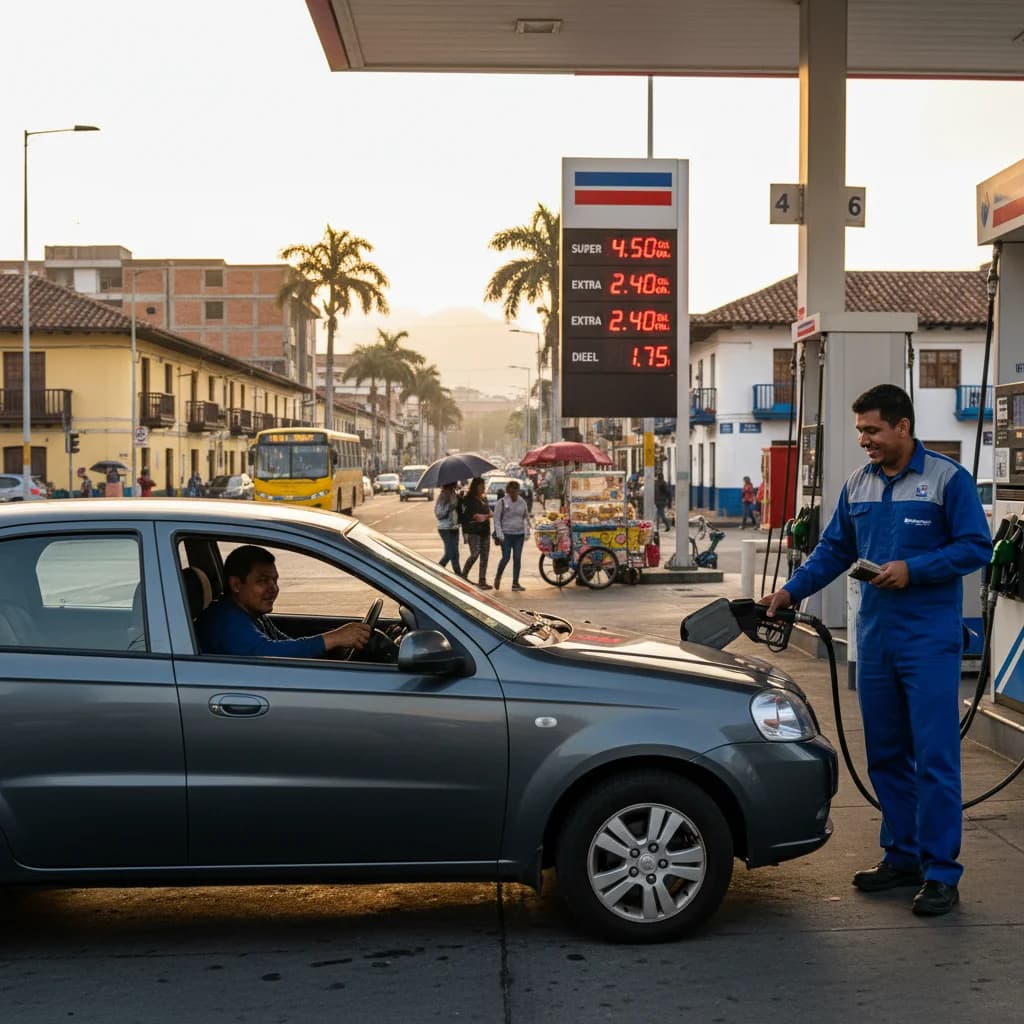
Teleamazonas reports that diesel reached USD 3.25 per gallon in June 2026 and Extra gasoline reached USD 3.31. Prices continue to adjust monthly under Ecuador’s band system tied to international fuel-market movement.
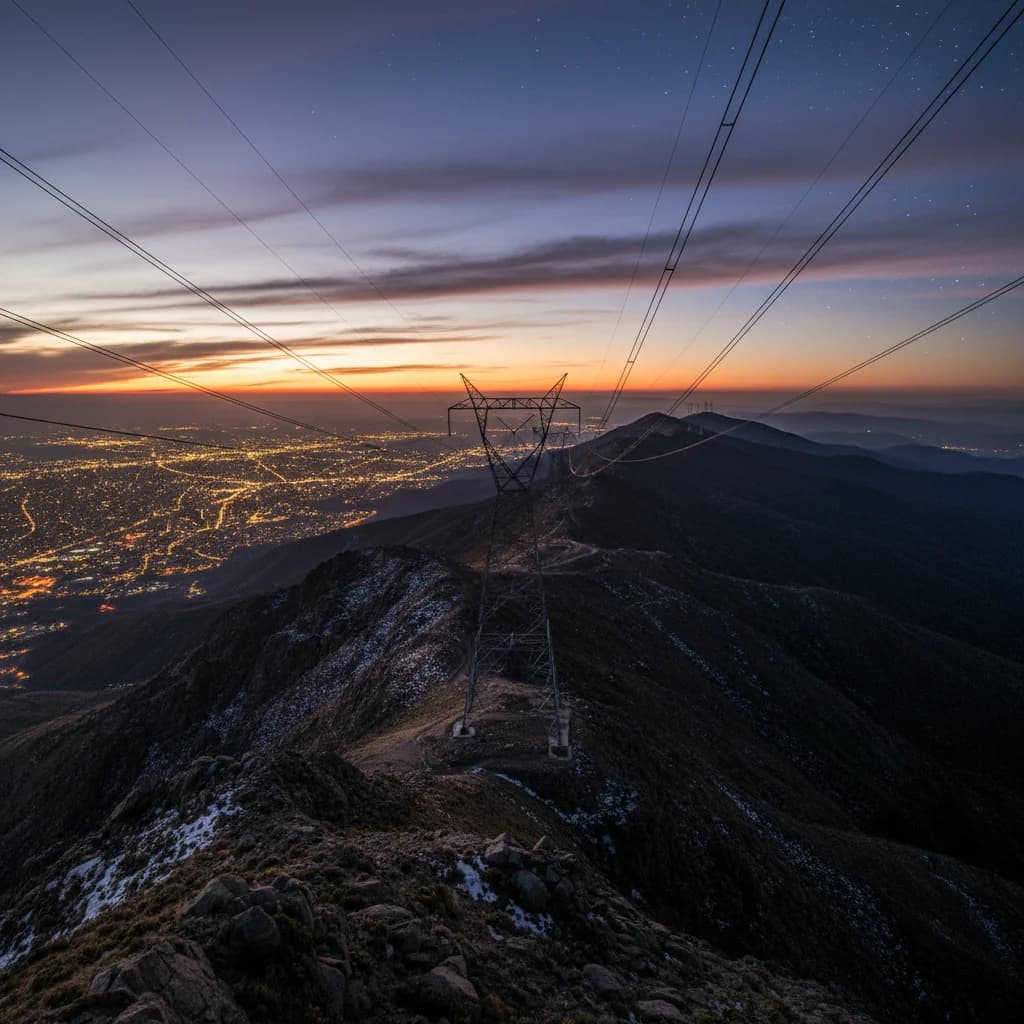
Regressive erosion on the Coca River has damaged key infrastructure for more than six years, with estimated losses between $4.7 billion and $5.5 billion through May 2026. The risk matters nationally because Coca Codo Sinclair supplies about 25% of Ecuador's average electricity demand.
The SRI is applying stricter controls to IVA refund requests in 2026. Older adults can recover up to $144.60 per month, but invoices must use a cedula, be for personal consumption, and fit accepted categories such as food, clothing, health, education and construction.
Petroecuador activated a contingency plan after a clandestine perforation caused a fuel spill on the Esmeraldas-Santo Domingo pipeline at kilometer 105. The company said the leak was controlled before 11:00, no people or water sources had been affected, and national fuel supply remained normal.
Authorities detained 16 people on San Cristobal after an operation near the Muelle de los Marinos. Police reported the seizure of boats, outboard motors, mobile phones and electronic devices in a fuel-trafficking investigation.
Ecuador is checking gas stations, terminals and distribution centers before fuel prices update on June 12. Officials say gasoline extra, ecopaís, diesel and super are being dispatched normally, while the Esmeraldas refinery has recovered to about 90% of technical capacity.
A group seeking a recall process against President Daniel Noboa asked Ecuador's electoral authority for signature forms on June 9. The process would require support from 15% of the electoral roll, representing more than two million signatures nationwide.
Ambato bus operators agreed to resume normal service on June 5 after four days of reduced hours. The agreement includes $700 in fuel support for transport operators over six months, pending a June 8 council session.
Primicias reports that Petroecuador produced 356,867 barrels per day in April 2026, down 17,733 barrels per day from April 2025. The shortfall came while Ecuador's crude prices stayed well above the state budget assumption.
Monthly inflation reached 0.53% in April 2026, driven mainly by transport costs, with annual inflation at 2.6%. Meanwhile Ecuador's tariff on Colombian goods escalated to 100% on May 1. What it means for anyone living here on a fixed or foreign income.
Decreto Ejecutivo 378 extends national transport compensation through June 15, delaying a politically painful fare increase. Loja has already raised fares to $0.36; Cuenca, Quito, Guayaquil and Ambato all see different responses.