Daily coverage from across the country, written for the expat community
Results for “forecast”Clear
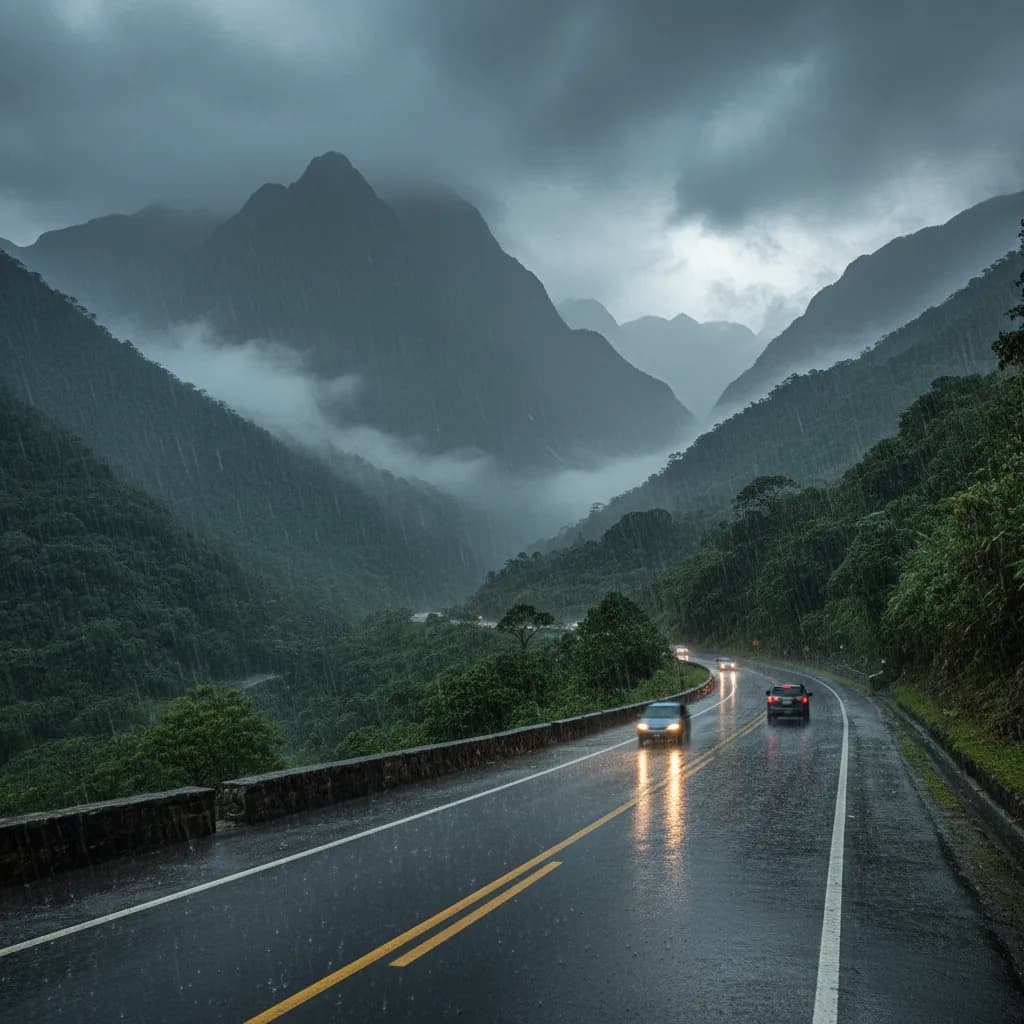
INAMHI’s June 28 forecast calls for variable rain, especially in the Amazon, with scattered afternoon and nighttime rain expected in Cuenca. The Coast should be mostly clear, except possible drizzle in Santo Domingo de los Tsáchilas and Esmeraldas.
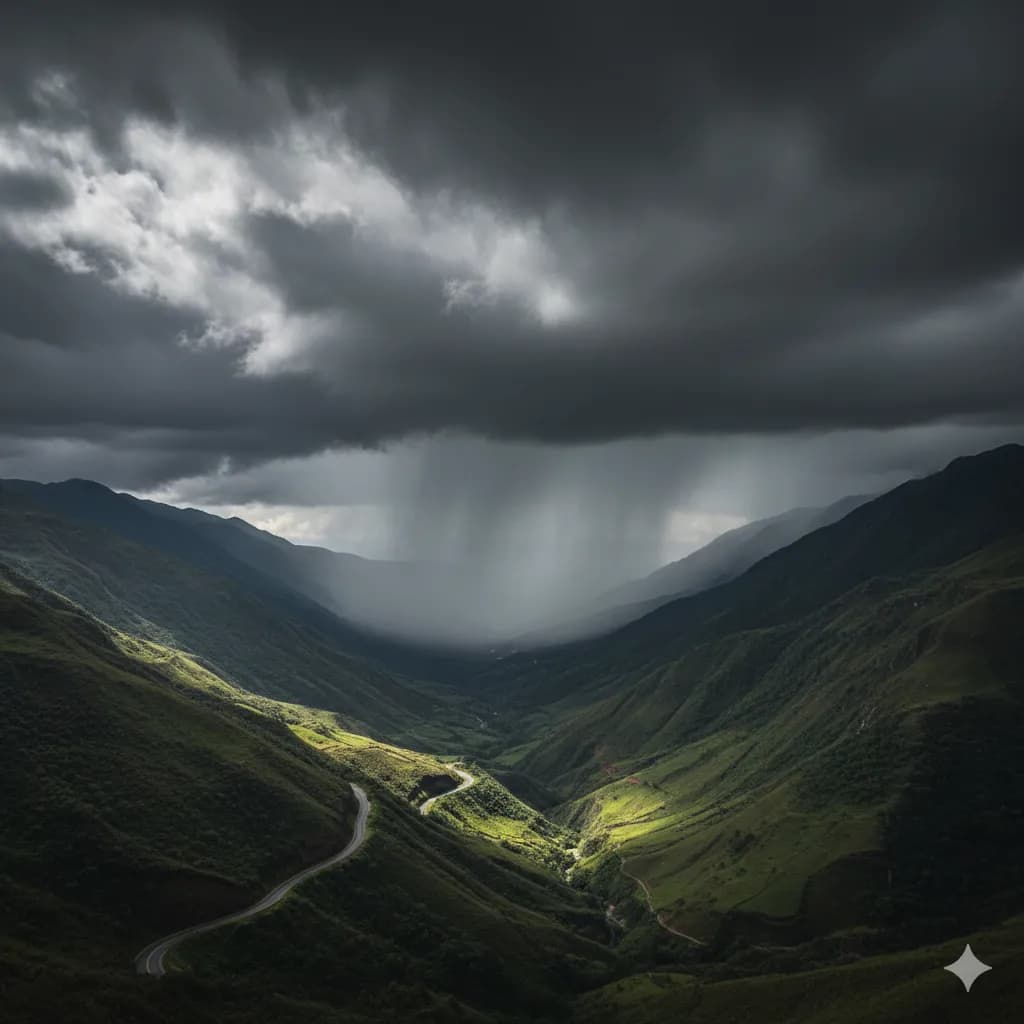
INAMHI expects variable-intensity rain on June 27, especially in the Amazon region. A meteorological alert remains in effect through June 28 for moderate to strong rain in the Amazon and isolated events in the northern Coast.
Weather officials say Ecuador's recent intense rains should begin easing nationally from Thursday, with the Coast seeing reduced intensity and the Sierra seeing more solar radiation. Guayaquil recorded 90-100 millimeters of rain in two days, roughly double the normal amount for the month.
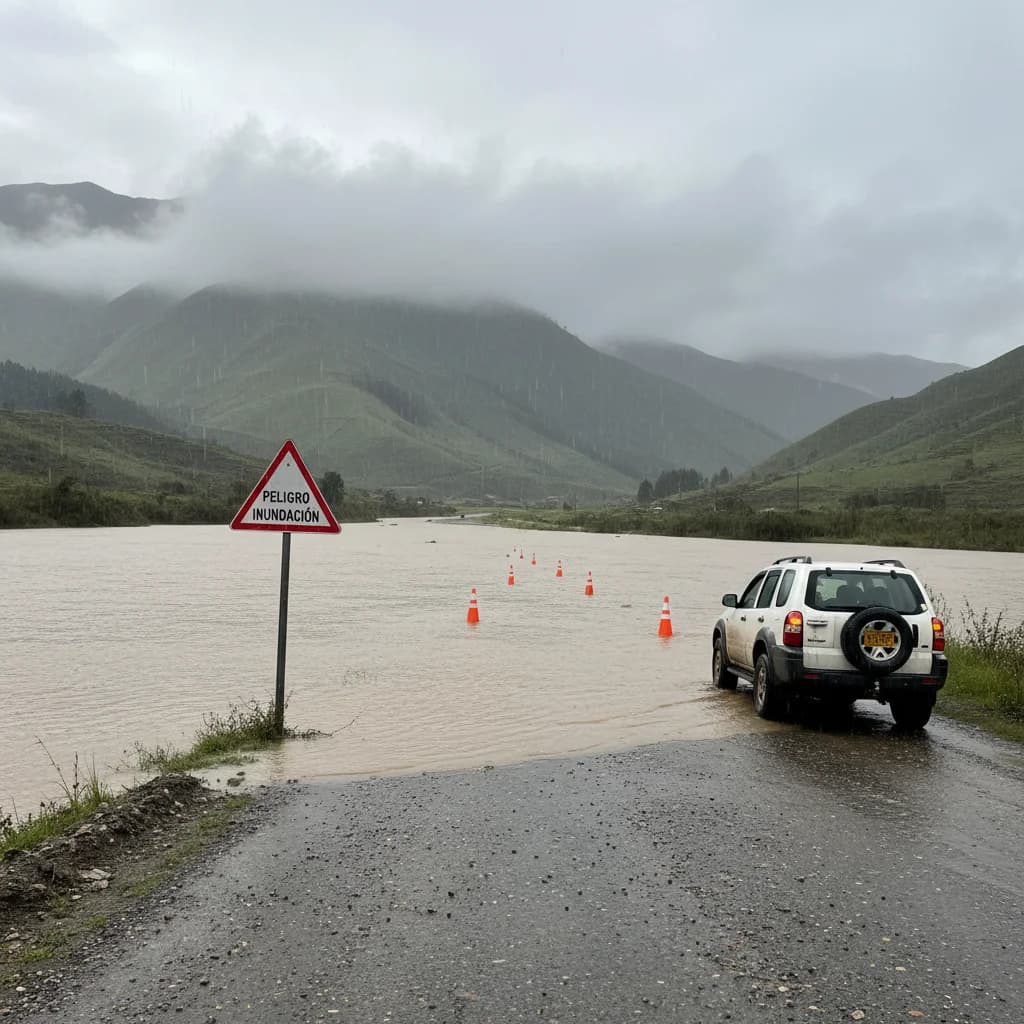
Guayaquil saw flooding for the second consecutive day after intense rain affected northern, central and southern sectors. Critical points included Sauces, Samanes, Las Orquideas, Bastion and Via Perimetral.
Primicias reports INAMHI meteorological warning 41 forecasts high-intensity rain from the afternoon of June 2 through June 5. The Amazon, north Coast and northern Sierra are the main areas to watch.
Primicias reports INAMHI warned that at least 24 Ecuadorian cities face very high UV radiation on June 1. The strongest sun window is from 10:00 to 15:00, with Azuay and Loja among provinces listed in the very high category.
El Universo reports INAMHI kept meteorological warning No. 39 active for Sunday, May 31, with variable rain in much of the Amazon and rain or drizzle in several Sierra cities including Quito, Cuenca and Loja.
Ecuador's riesgo país fell to 404 points on April 22, the lowest since 2015. GDP grew 3.7% in 2025, international reserves jumped 42%, and the IMF just disbursed another $394 million. Here's what the improving trajectory means for expats.
Ecuador's EMBI country risk indicator closed at 409 points on April 17 — the lowest level since October 2014. The reading reflects higher oil prices, an IMF $400M disbursement, and a growth forecast upgraded from 1.8% to 2.5% for 2026. Here's what it means for cost of living and investment.
Ecuador's strategic Mazar reservoir is sitting at ~2,137 m.s.n.m. — about 61% of stored energy capacity, and 23–28 meters above the same period in 2024. Energy Minister Inés Manzano declared "tenemos agua." Hydroelectric is currently delivering 72.3% of national output. Here's the supply-side picture as the heat wave continues.
The Banco Central del Ecuador raised its 2026 GDP growth projection to 2.5%, up 0.7 points from its September forecast. Inflation is expected at 1.8%, private credit to grow 10%, and the external account to post a $6.4 billion surplus. 2025 closed at 3.7% growth — so momentum is slowing.
The IMF raised its 2026 GDP growth projection for Ecuador from 2% to 2.5% in the latest World Economic Outlook, presented at the Washington spring meetings. That puts Ecuador above the 2.3% South American average. For context, Ecuador posted 3.7% growth in 2025.