Daily coverage from across the country, written for the expat community
Results for “education”Clear
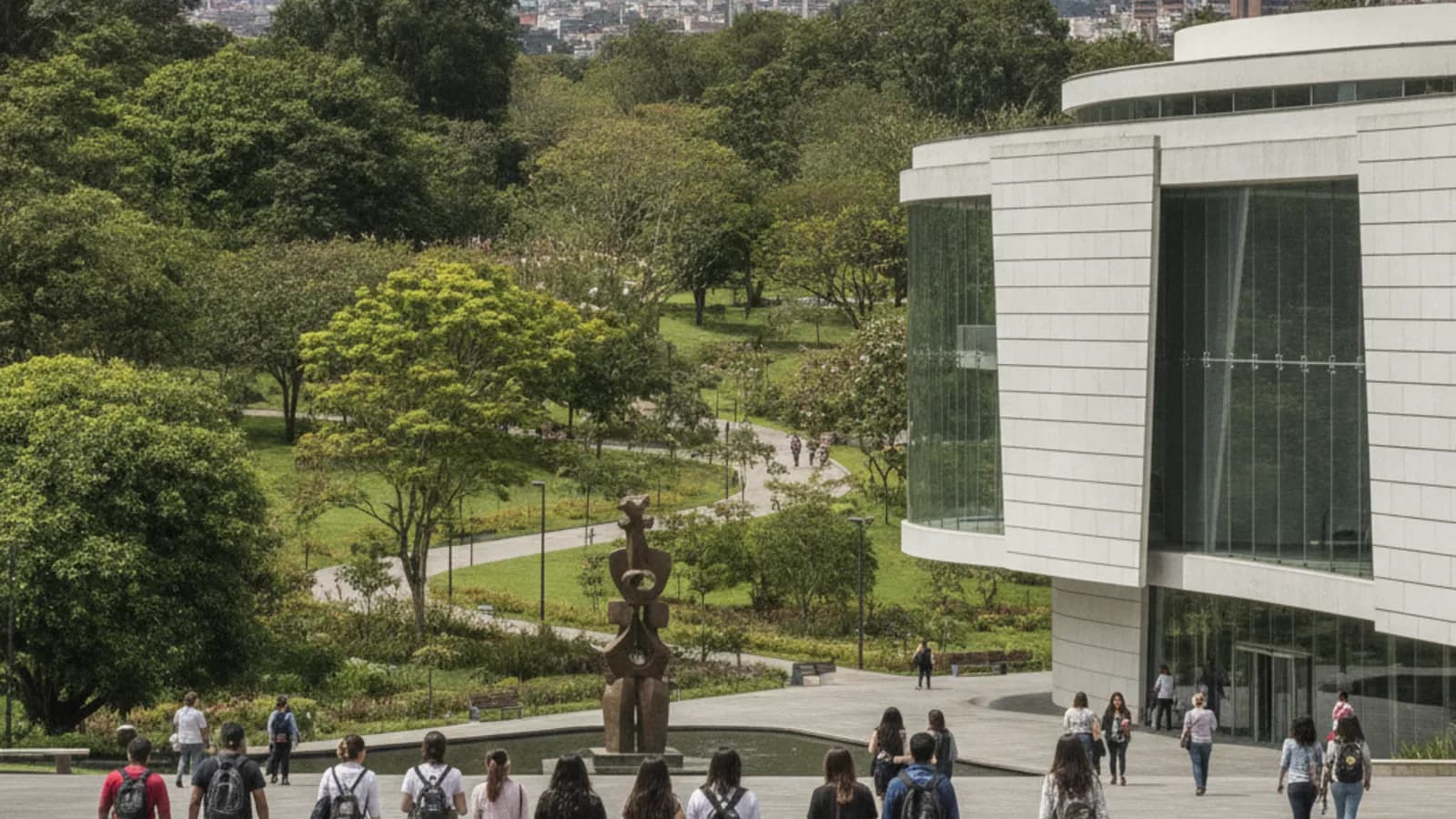
The winning design for Ecuador’s new National Museum in Quito calls for a 36,000-square-meter building near La Carolina to house about 1.4 million cultural and heritage items.
Ecuador’s e-commerce market exceeded USD 7 billion in 2025 as faster delivery, payment options, and marketplace logistics turned online buying into a permanent habit.
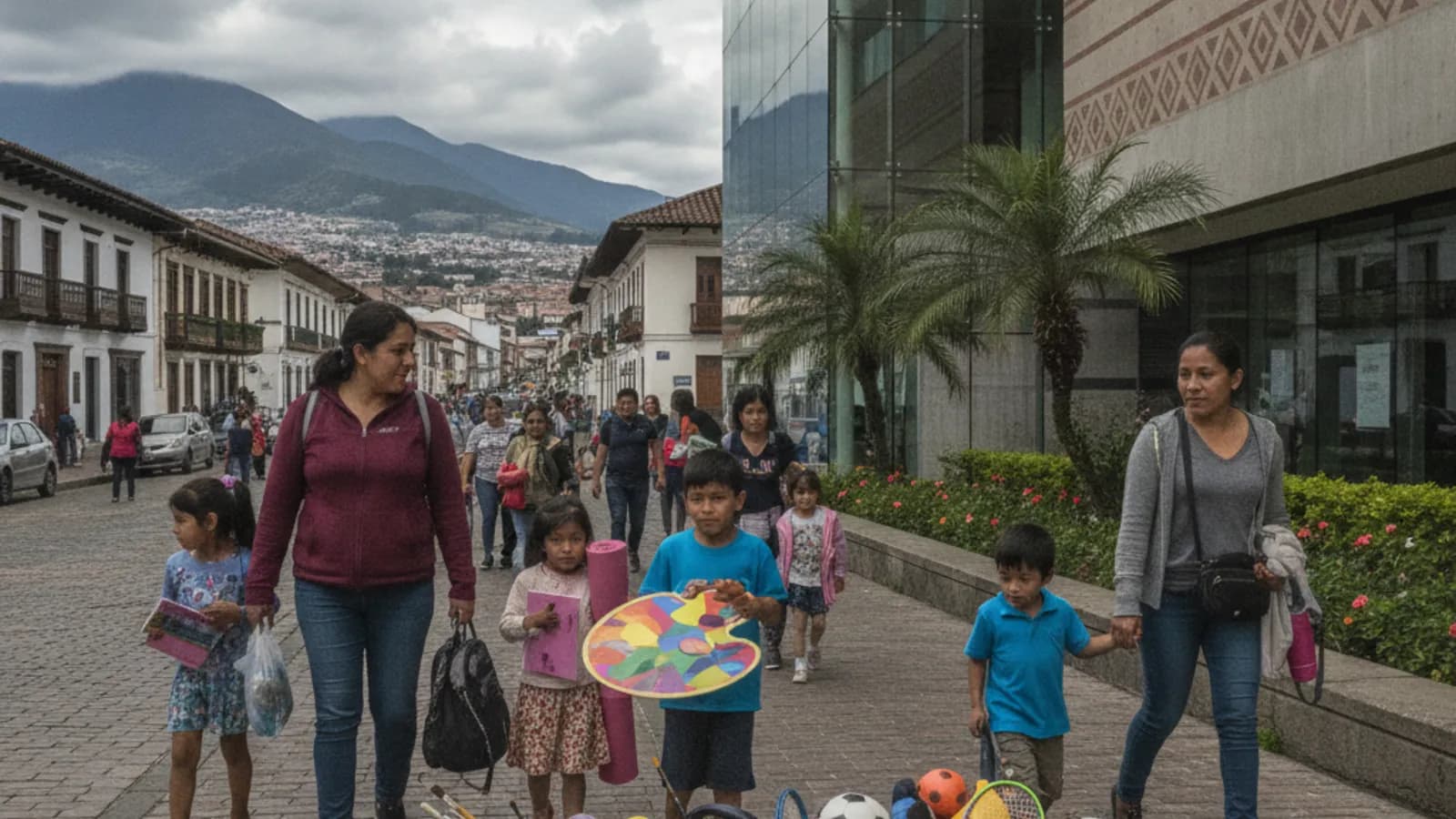
Quito’s school-vacation season now includes municipal and private courses for children, teens, and adults. Options range from free workshops and city activities to Cumbaya programs priced by week or full camp.
Schools in Ecuador’s Sierra and Amazonia regime ended classes on June 26, 2026. Recovery classes, makeup exams, graduations and teacher vacations now run through July and August.
A strong storm in Santo Domingo on the night of June 25 caused flooded homes and damage to educational and sports infrastructure. Emergency calls came after 23:00, with responders mobilized through ECU 911.
A new report on digital recruitment describes how criminal groups use social media, narcoculture symbols and algorithmic engagement to pull minors toward illegal activity. The warning comes as adolescent arrests and violent deaths among minors remain a major national concern.
Ecuador opened registration on June 18 for public technological institutes and higher conservatories. The process runs through June 22, 2026, for applicants who completed the Registro Nacional and want to continue in the public technical education admissions process.
The SRI is applying stricter controls to IVA refund requests in 2026. Older adults can recover up to $144.60 per month, but invoices must use a cedula, be for personal consumption, and fit accepted categories such as food, clothing, health, education and construction.
Ecuador’s Jóvenes en Acción program is expanding from 80,000 to 150,000 beneficiaries. Registration opened June 16 for vulnerable young adults ages 18 to 29, with selected participants receiving three $400 transfers over three months after completing assigned activities.
Ecuador launched a national policy for 2026-2035 to reduce adolescent pregnancy, keep girls in school and coordinate health, education and social services. The country records more than 32,200 births each year among girls and adolescents ages 10-19.
The Jóvenes del Nuevo Ecuador 2026 program offers 3,276 scholarships for higher-education students age 18 to 29. Applications opened June 4 and close June 28 through the official platform.
Primicias reports a new Ministry of Education agreement opened debate over Saturday activities for public-school teachers. The ministry says the activities are voluntary and compensated with vacation days, while the UNE says the text is not clear.