Daily coverage from across the country, written for the expat community
Results for “businesses”Clear
Ecuador’s e-commerce market exceeded USD 7 billion in 2025 as faster delivery, payment options, and marketplace logistics turned online buying into a permanent habit.
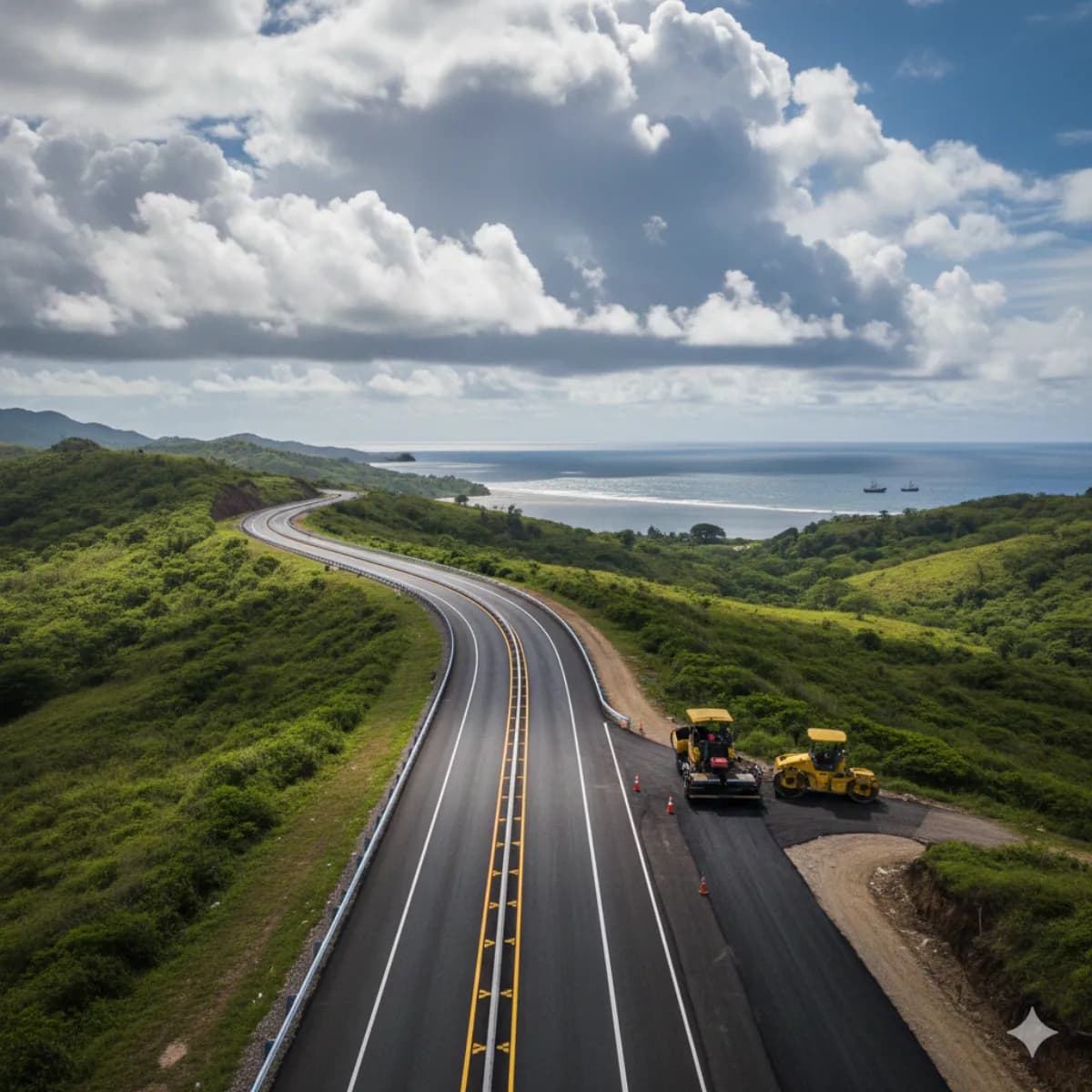
Quito has begun a 12-kilometer road rehabilitation package around five Metro Centro Norte stations. The contract covers 86 road segments, nine months of work, and a $6.5 million investment.
Ecuador’s tax authority began a new RIMPE recategorization process on July 1. Small-business owners should check their RUC status because category changes can bring new tax obligations.
Asobanca says Ecuador’s private banks will keep major service channels available during the June 26 national holiday. Branches, digital banking, ATMs and non-bank correspondents are expected to operate.
Guayaquil has more than 100 kilometers of streets under intervention across the north, center and south of the city. Some merchants report sales declines of 40% to 50% as road closures and restricted access affect customer traffic.
Primicias reports Ecuador's government said the second day of maintenance power cuts ended after 7:00 on May 31. The announcement contrasted with official schedules and user complaints from Guayas.
El Universo reports that Ecuador recorded 273,554 active labor contracts from January through April 2026, with 171,735 concentrated in one broad macrosector covering agriculture, construction, commerce, finance, professional services and health-related work.
Ecuavisa reports that Guayaquil's ATM will install a traffic light at kilometer 14.5 of Via a la Costa after protests over fatal crashes, while Expreso reports residents have criticized the lack of safe pedestrian crossings in the area.
Primicias reports that Ecuador's overdue financial-system portfolio managed by collection firms has risen from about $1.6 billion before Covid-19 to about $2.5 billion today, according to Asocob.
Expreso reports that Ecuador's 2026 curfews have accumulated 30 days of restrictions and affected at least 120,000 businesses. One economist estimated losses between USD 16 million and USD 32 million, with the hardest hit in nightlife, restaurants, logistics and small businesses.
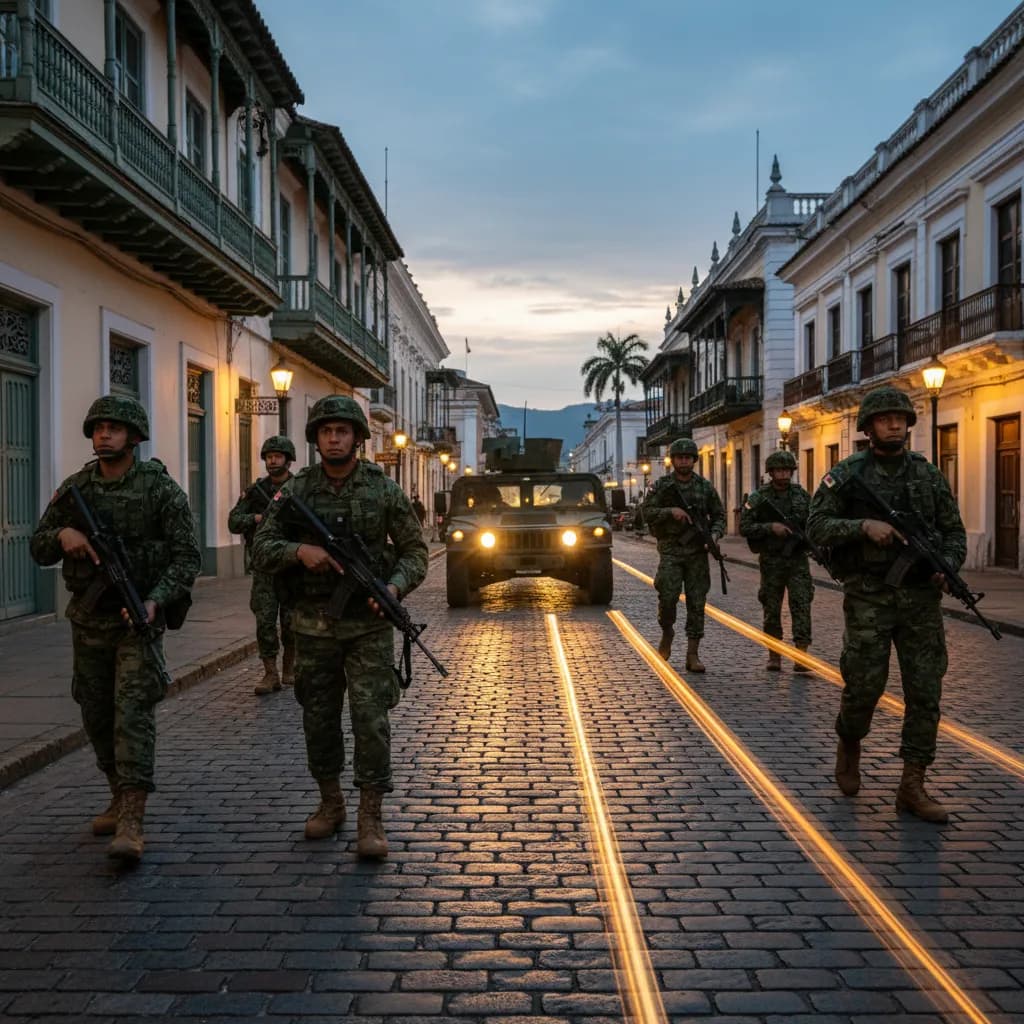
The militarization of Puerto Bolívar has surfaced the human cost: at least 300 families forcibly displaced, criminal group Los Lobos occupying up to 500 homes, and the terminal tied to 10.8 tons — 11.24% — of drugs seized nationally. Over 1,000 troops are searching 1,642 homes.
Resolution 2582 declares both countries' tariffs incompatible with the Cartagena Agreement. But with rates still at 75%, business leaders on both sides say trade remains frozen.