Daily coverage from across the country, written for the expat community
Results for “buses”Clear
Interprovincial buses were operating normally Friday morning after Fenacotip called off its planned July 3 stoppage. Travelers should still watch the fare talks now moving to technical tables with ANT.
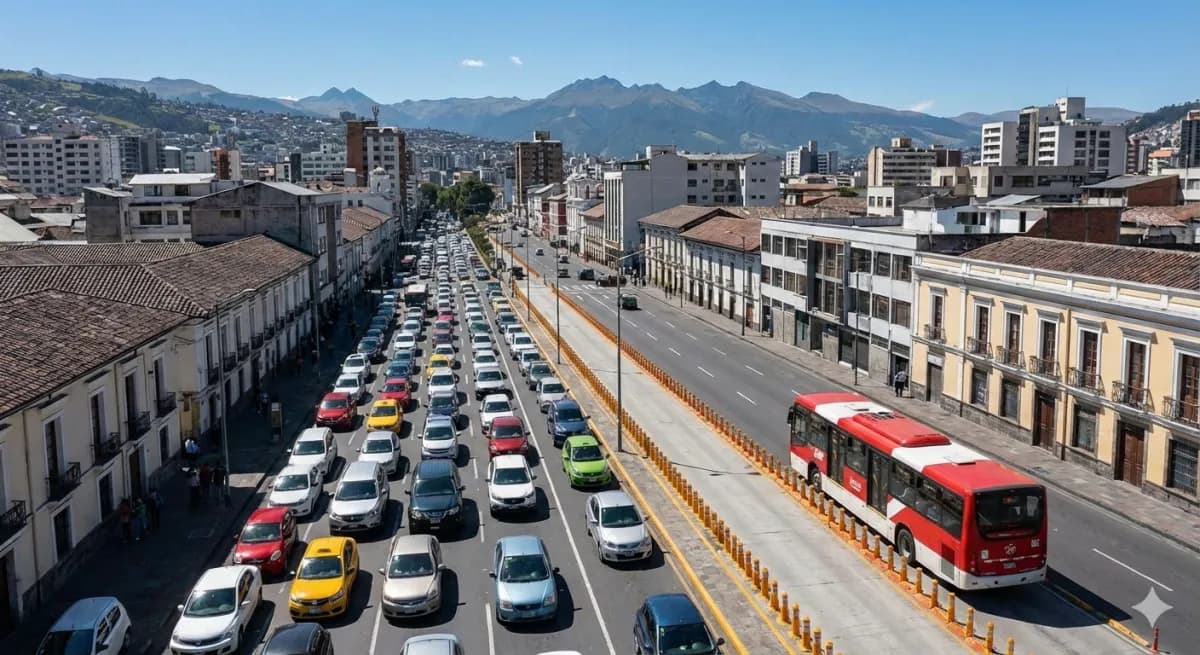
Public transport is still Quito’s main way to move, but new data show riders shifting toward private options. Around 64% of Quito residents still use public transport, while apps, taxis and motorcycles are gaining ground because of safety, comfort and service concerns.
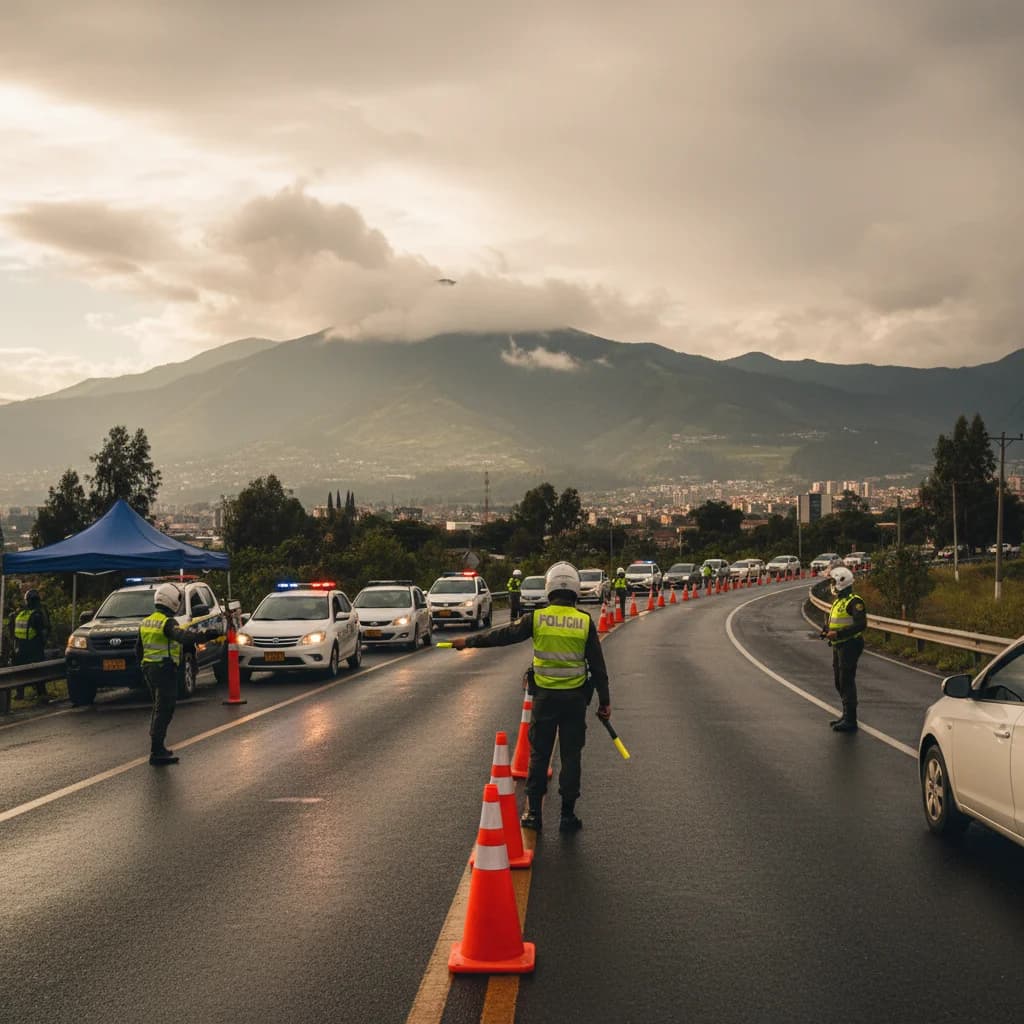
Ecuador’s new state of exception applies for 60 days in ten provinces and three cantons. There is no curfew for now, but the decree allows temporary limits on home and correspondence protections while security forces operate in the covered areas.
Ambato bus operators agreed to resume normal service on June 5 after four days of reduced hours. The agreement includes $700 in fuel support for transport operators over six months, pending a June 8 council session.
Quito's Mobility Commission begins debate on a bus-fare ordinance that would set a 40-cent urban fare and 45-cent fare for electric or low-emission buses. The city's prior agreement keeps the 35-cent fare through 2026 with municipal compensation to operators.
El Universo reports Ambato urban and rural transport operators restricted service on June 1, working only from 08:00 to 14:00 while seeking a fare adjustment. The current urban fare is 30 cents.
Primicias reports Quito is drafting rules for bus operators to raise the fare from $0.35 to $0.40. One proposed condition is a second mandatory safety inspection for more than 3,300 city buses.
Primicias reports BlaBlaCar has entered Ecuador as a carpooling platform, joining a transport-app market that already includes Uber, DiDi, inDrive, Clipp and Redi. The company says its platform operates in 21 countries.
Loja's city council archived a proposal to raise the urban bus fare from 30 to 36 cents, but the transport consortium says the suspension of service remains indefinite. Expreso reports students, workers and merchants are being hit hardest while legal action seeks to restore service.
Decreto Ejecutivo 378 extends national transport compensation through June 15, delaying a politically painful fare increase. Loja has already raised fares to $0.36; Cuenca, Quito, Guayaquil and Ambato all see different responses.
After Monday's paralysis that stranded 1.5 million commuters, Quito's blue buses resumed normal service Wednesday. But the underlying dispute is heading to formal negotiations on May 13, and a fare increase to /bin/zsh.65 is on the table.
Quito woke up without bus service on May 5 as operators cut hours to protest the end of diesel subsidies. The city handles 2 million transit trips daily, and 1.5 million of them depend on these buses.