Daily coverage from across the country, written for the expat community
Results for “Los Ríos”Clear
Ecuador recorded 3,485 violent deaths from January through May 2026, while Quito’s recent alerts have centered more on explosives, intimidation, and microtrafficking.
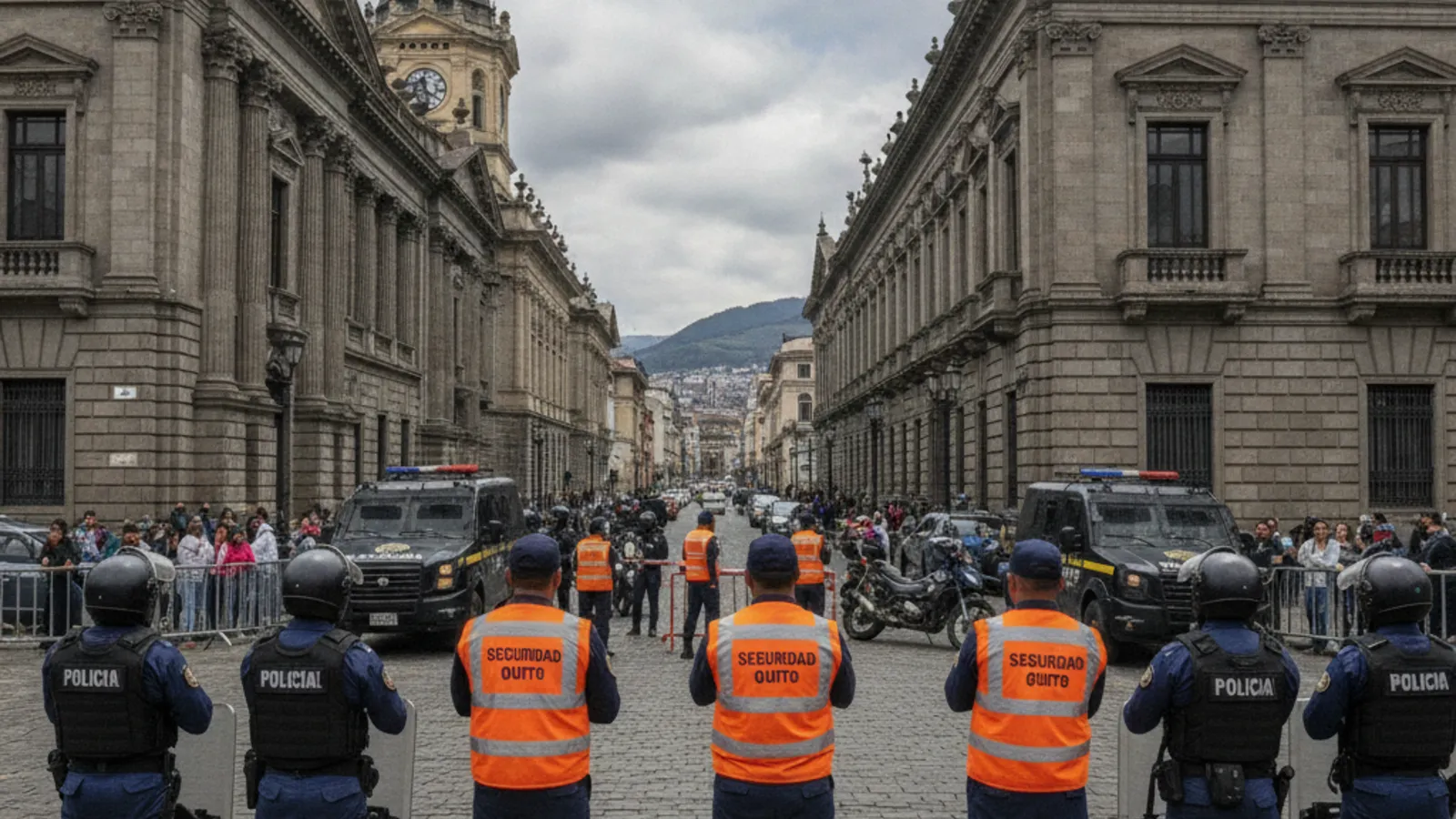
President Daniel Noboa issued Executive Decree 424 on June 18, opening a path for allied foreign military personnel to support Ecuador’s security operations. Officials say foreign troops are not expected immediately, while 13,000 Ecuadorian military personnel are being deployed to Guayas, Manabí, El Oro and Los Ríos.
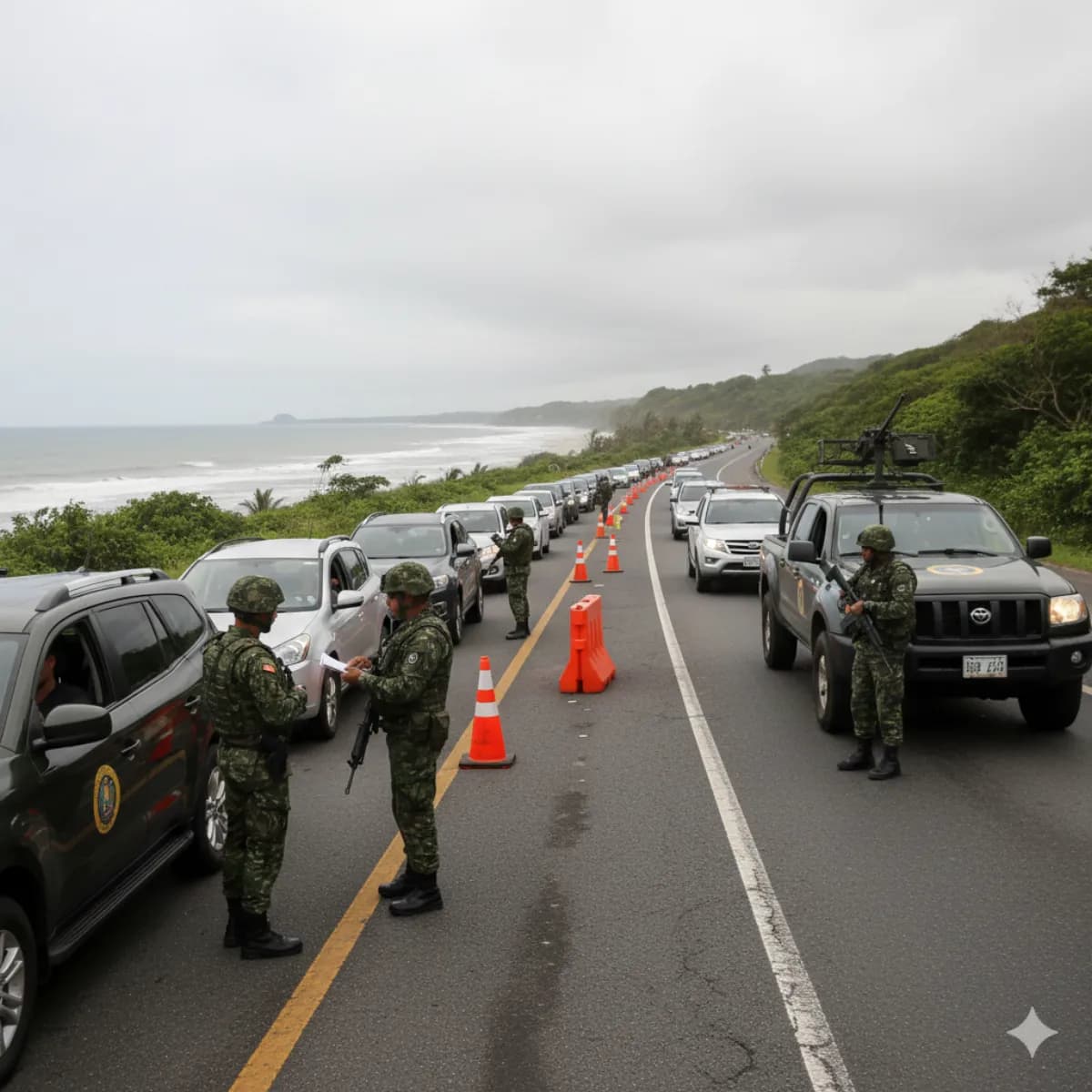
The nationwide nighttime curfew under Executive Decree 370 ended at 5:00 a.m. Monday, May 18, after 15 days. Authorities reported 3,422 people detained nationwide, 378 raids, 5.9 tons of drugs and 405 firearms seized. Here's the final picture and what changes now for foreign residents.
Ecuador's weather service flagged moderate-to-heavy rain, electrical storms, strong wind gusts and flooding risk from 4:00 p.m. May 17 until noon May 20, spanning coastal, highland and Amazon provinces. Here's who's affected and what to do.
From May 3-10, security forces conducted 221 raids across nine provinces. Over 400 people were identified as members of criminal organizations.
Interior Minister Reimberg announced the largest single-day operation since the curfew began May 3. Nine provinces remain under nightly restrictions through May 18.
A four-month investigation culminated in Operación Forseti-Finisterra — 11 arrested including the gang's hit squad leader, firearms and drugs seized, and a criminal network dismantled.
The curfew that started May 3 is producing results — 500+ detained in the first two days, including 80+ wanted individuals captured during enforcement operations. Here is what has changed since our initial guide.
An 11 PM to 5 AM curfew is in effect across nine provinces and four cantons through May 18. No safe-conduct passes will be issued. Here is everything expats need to know, from affected areas to the only exemptions that exist.
Ecuador's Attorney General is seeking to formally charge 21 people — including a former Celec manager and former Energy Minister — with embezzlement tied to emergency contracts during the 2024 blackout crisis. Estimated damages exceed $100 million.
President Noboa's latest curfew runs May 3–18 from 11 PM to 5 AM across nine provinces including Pichincha and Guayas. Azuay, Loja, and Imbabura are not on the list. Here's the full breakdown.
President Noboa declared a 15-day curfew from 11 PM to 5 AM covering Pichincha, Guayas, Manabí, and six other provinces plus four cantons. No salvoconducts. Business groups say the last curfew cost exporters $200 million.