Daily coverage from across the country, written for the expat community
Results for “El Nino”Clear
At least 460 hospitals and health centers are located in Ecuador parishes under yellow alert for El Nino. Most are small health centers, and the risk list is concentrated heavily in Manabi and Guayas.
Colombia is considering restarting electricity exports to Ecuador, but El Niño could make those sales uncertain from November 2026 into early 2027. The issue matters because the Colombia interconnection can supply about 450 MW, nearly 10% of Ecuador’s average demand.
Manabí remains under yellow alert as authorities prepare for possible El Niño impacts. Risk work is focused on river basins, rural flood zones, unstable slopes and historically affected cantons including Chone, Portoviejo, Rocafuerte, Sucre, Santa Ana, Montecristi and Jipijapa.
Ecuador has placed 17 provinces, 143 cantons and 491 parishes under a preventive yellow alert for a possible El Nino event. Local governments have until June 23 to submit action plans, but only three municipalities had filed plans as of June 15.
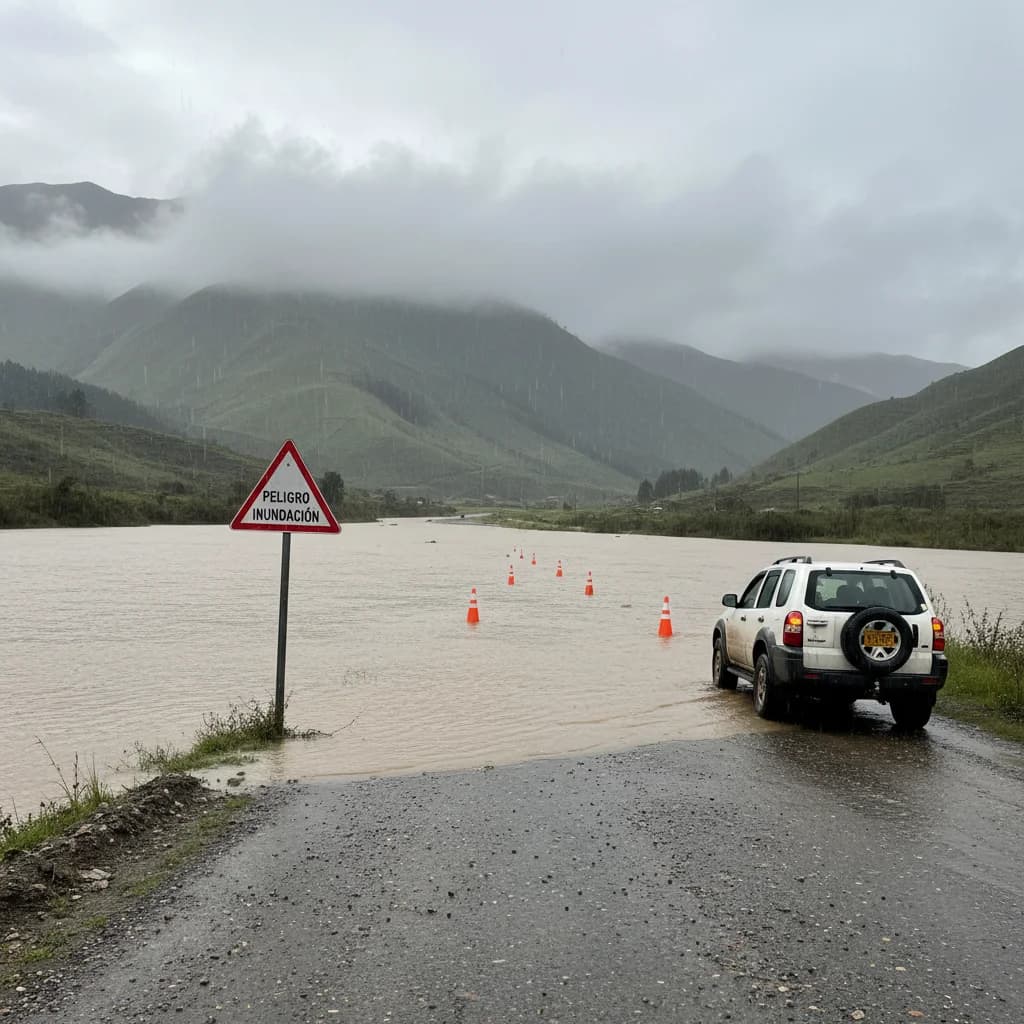
Guayaquil saw flooding for the second consecutive day after intense rain affected northern, central and southern sectors. Critical points included Sauces, Samanes, Las Orquideas, Bastion and Via Perimetral.
A strengthening coastal El Nino episode off Peru could reach Ecuadorian waters within two weeks. Ocean-monitoring indicators show Nino 1+2 approaching +3 C, while some sea-surface readings reached 6.4 C above average.
Primicias reports INAMHI meteorological warning 41 forecasts high-intensity rain from the afternoon of June 2 through June 5. The Amazon, north Coast and northern Sierra are the main areas to watch.
Primicias reports Ecuador's government said the second day of maintenance power cuts ended after 7:00 on May 31. The announcement contrasted with official schedules and user complaints from Guayas.
After devastating blackouts throughout 2024 and into 2025, Ecuador's electricity outlook is the most optimistic in over a year. Heavy rains have refilled major reservoirs, Mazar dam hit maximum capacity, and a new 200 MW plant is online. But risks remain.