Daily coverage from across the country, written for the expat community
Results for “El Niño”Clear
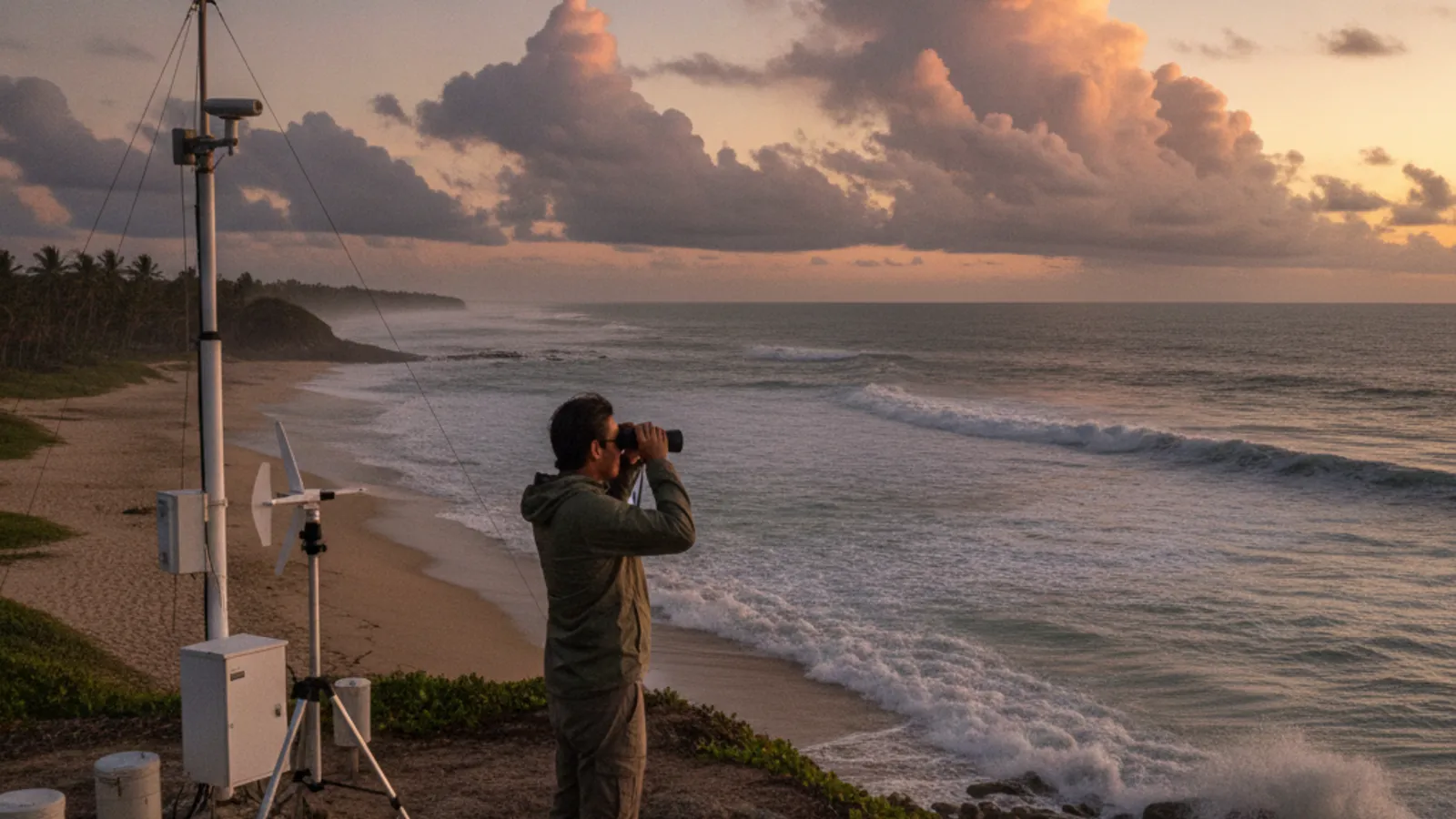
Ecuador’s ERFEN committee says El Niño is in its initial development phase, while immediate intense rainfall is not expected and dry-season conditions should continue in the Coast and western and central Sierra.
Manabí remains under yellow alert as authorities prepare for possible El Niño impacts. Risk work is focused on river basins, rural flood zones, unstable slopes and historically affected cantons including Chone, Portoviejo, Rocafuerte, Sucre, Santa Ana, Montecristi and Jipijapa.
The Banco Central del Ecuador raised its 2026 GDP growth projection to 2.5%, up 0.7 points from its September forecast. Inflation is expected at 1.8%, private credit to grow 10%, and the external account to post a $6.4 billion surplus. 2025 closed at 3.7% growth — so momentum is slowing.
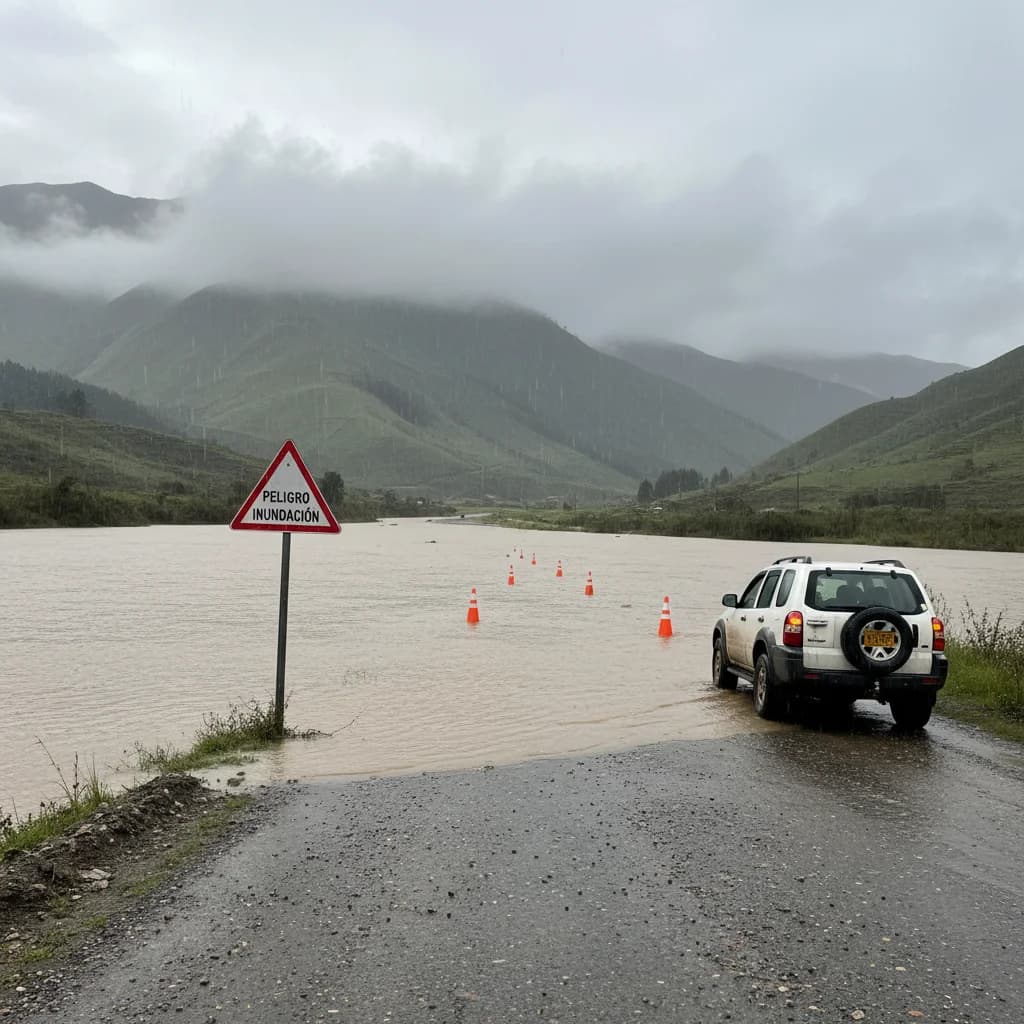
Ecuador is experiencing its wettest February in a decade, with Cuenca recording 150mm of rain — nearly double the historical average. Nationwide, 4,700 people have been impacted, 770 displaced, and the Mazar reservoir is discharging at over-capacity.
Repeated wave surges have flooded condo lobbies, destroyed sea walls, and damaged vehicles in Salinas and Punta Blanca. Experts warn that sea levels have risen 39 centimeters since the 1970s — and the worst is yet to come.
Colombia has indefinitely suspended electricity exports to Ecuador after a trade dispute over tariffs. Here's what it means for Ecuador's power grid and what expats should watch for.