Daily coverage from across the country, written for the expat community
Results for “CAF”Clear
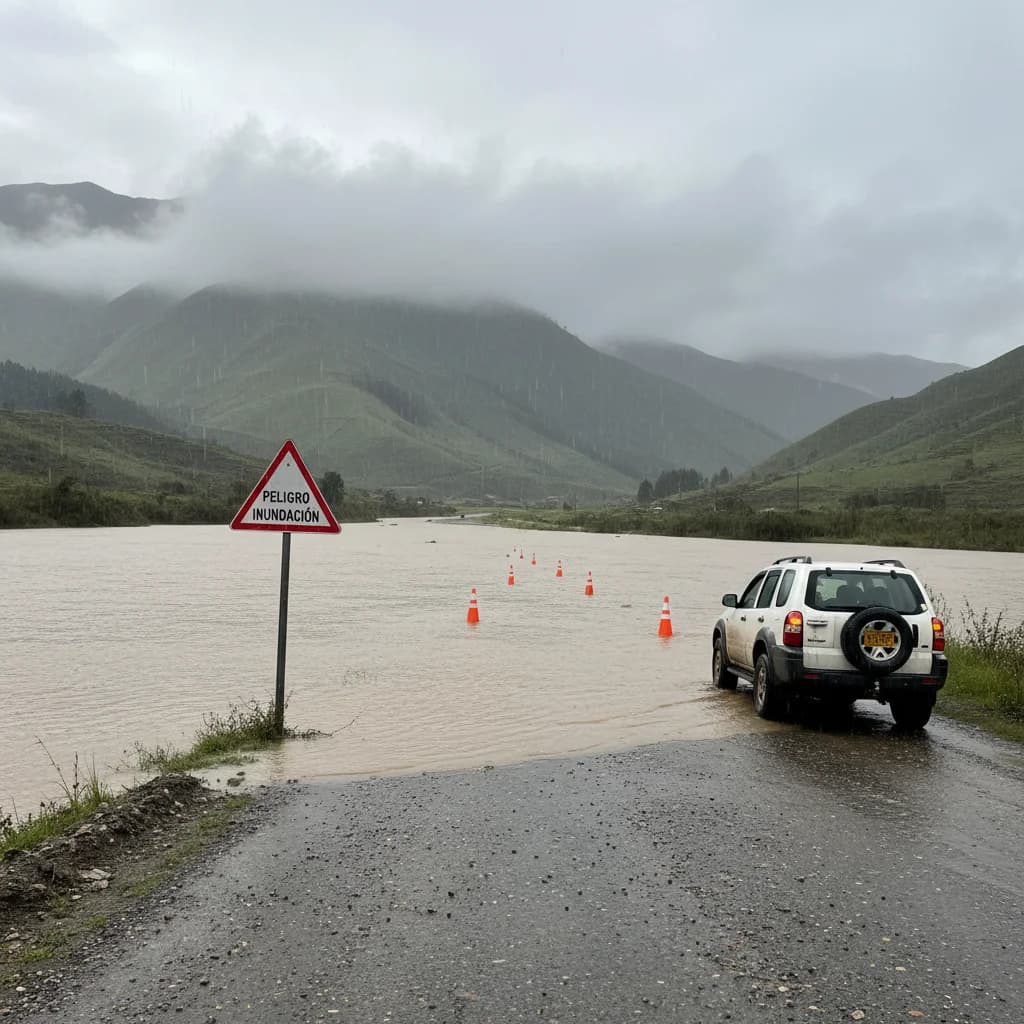
Manabí remains under yellow alert as authorities prepare for possible El Niño impacts. Risk work is focused on river basins, rural flood zones, unstable slopes and historically affected cantons including Chone, Portoviejo, Rocafuerte, Sucre, Santa Ana, Montecristi and Jipijapa.
President Daniel Noboa said the Quito Metro expansion will start during this period, while El Comercio reports the La Ofelia extension remains in definitive studies and still needs total-financing authorization from the national government.
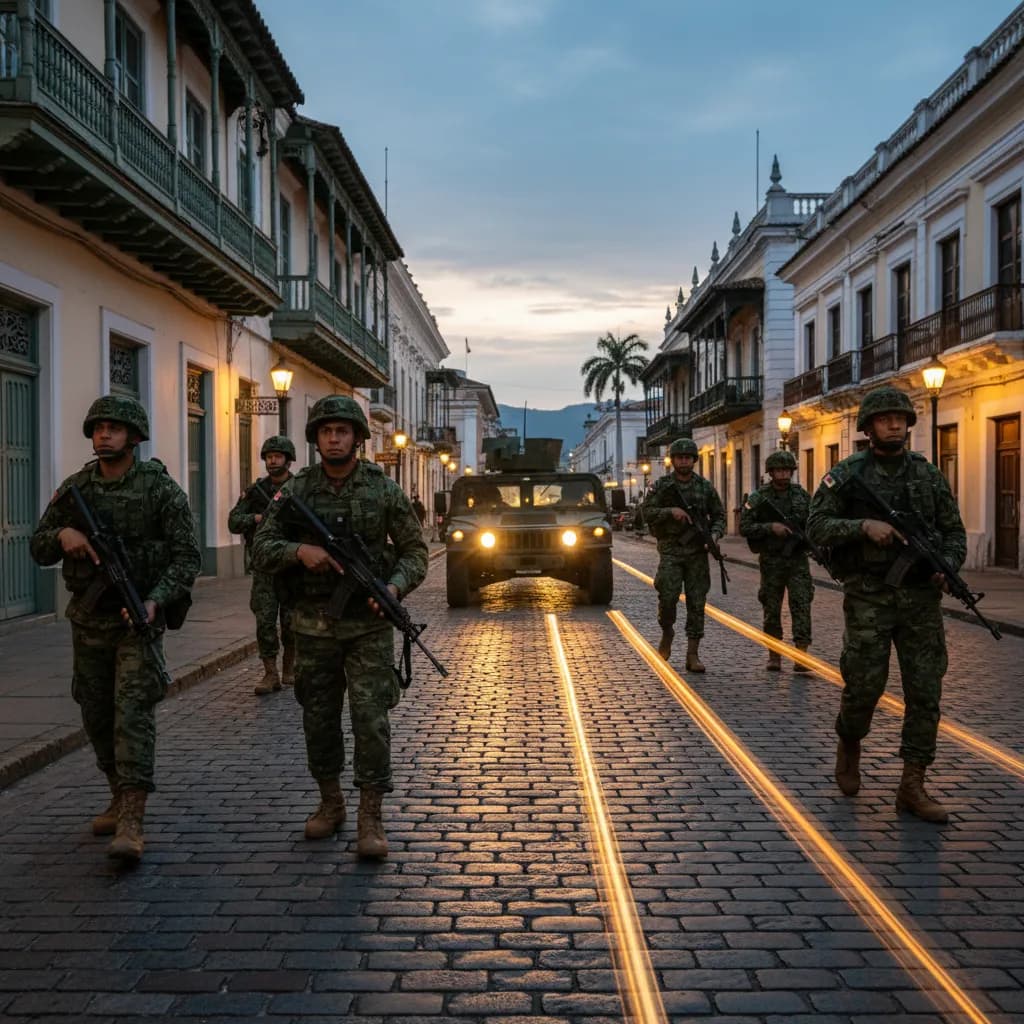
Expreso reports that Ecuador's 2026 curfews have accumulated 30 days of restrictions and affected at least 120,000 businesses. One economist estimated losses between USD 16 million and USD 32 million, with the hardest hit in nightlife, restaurants, logistics and small businesses.
Juan Carlos Blum is now the fifth person to lead Ecuador's energy portfolio since November 2023. A former minister calls it 'a responsibility of the highest risk.' The blackouts, failed contracts, and investigations explain why.
Ecuador slashed the sales tax on tourism services from 15% to 8% for the four-day Labor Day holiday. Hotels, restaurants, car rentals, and tours all qualify under Executive Decree 368. Here's what counts, what doesn't, and how to make sure you're getting the discount.
President Noboa signed Decreto 368 cutting the tourism IVA from 15% to 8% for the May Day long weekend (April 30–May 3). Hotels, restaurants, car rentals, and travel agencies all qualify. Here's how it works.
Quito's Metro restarted normal operations Tuesday, April 21, after an 11-hour shutdown that began at 5:30 am Monday. The deeper story: manufacturer CAF has recommended replacing 864 train wheels, citing abnormal wear that partly triggered the outage. Mayor Pabel Muñoz is also investigating possible sabotage.
Environment and Energy Minister Inés Manzano announced leadership changes at both CNEL (the national distribution utility) and CENACE (the grid operator) this week after widespread blackouts and what she called 'slow and inefficient' responses. Juan Carlos Blum — a mechanical engineer with a background in multilateral energy work — is the new CNEL general manager.
Ecuador has slapped 50% tariffs on Colombian imports, threatened to cut electricity sales, and hiked pipeline transit fees by 900%. With $2.8 billion in bilateral trade at risk, Colombian products are getting more expensive and de-escalation talks are just beginning.
The IMF reached a staff-level agreement on the fifth review of Ecuador's $5 billion Extended Fund Facility on March 31. If approved by the Executive Board, Ecuador will receive a $394 million disbursement, bringing total draws to $3.33 billion -- 66% of the program.
Executive Decree 348 temporarily reduces Ecuador's IVA from 15% to 8% for tourism services from April 3-5 during Semana Santa. The cut covers accommodation, food and beverage, tourist transport, travel agencies, and ecotourism operations.
The World Bank forecasts Ecuador's economy will grow just 2% in 2026, among the lowest rates in Latin America. A fiscal deficit of 3-4% of GDP, expiring security contributions, weakening oil receipts, and likely tax reform paint a challenging picture.