Daily coverage from across the country, written for the expat community
Results for “Bloomberg”Clear
Ecuador returned to international capital markets in January 2026 for the first time since its 2020 debt restructuring, selling $4 billion in sovereign bonds across two tranches. The move included a $3 billion debt buy-back and sent country risk plummeting from over 2,000 points to 460.
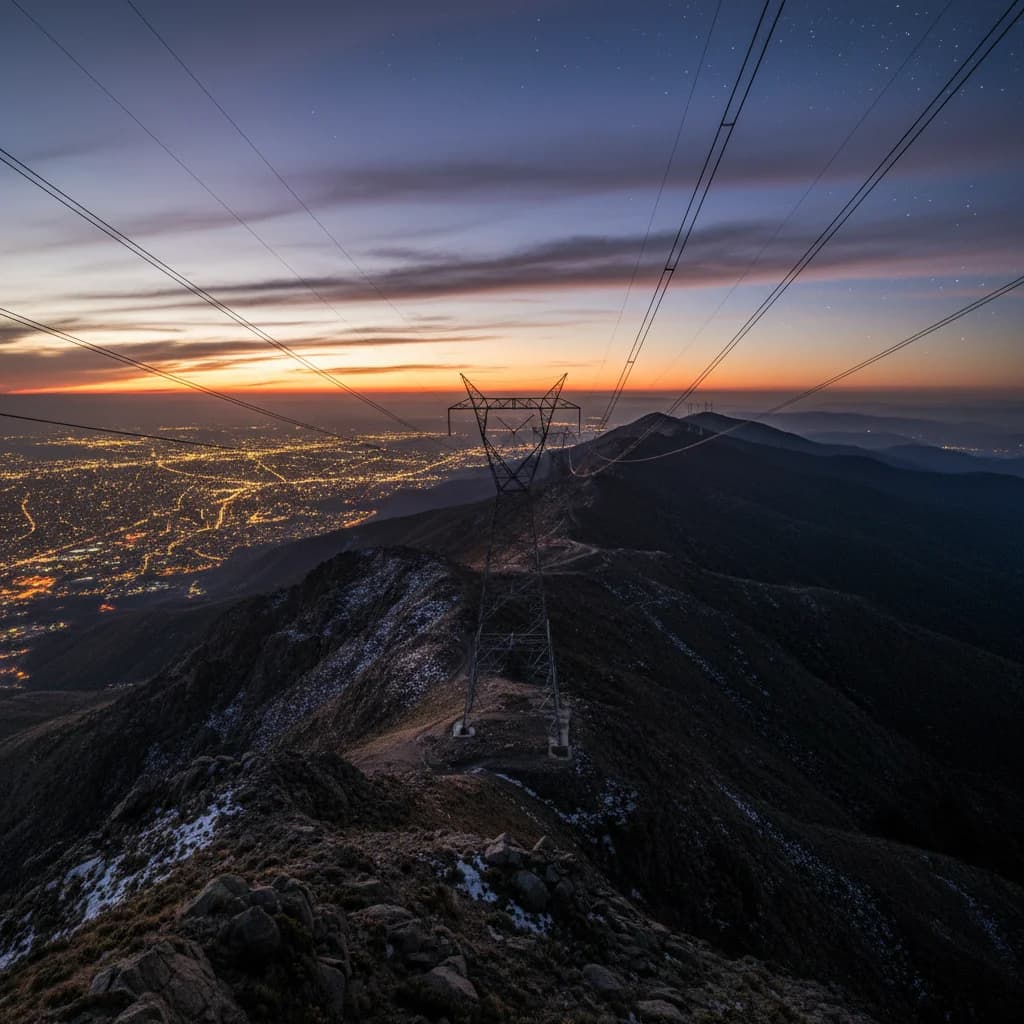
A U.S. Army Corps of Engineers study warns that Coca River erosion could reach the 1,500 MW Coca Codo Sinclair hydroelectric plant's water intake by 2026. The plant provides roughly one-third of Ecuador's national electricity. Recent rains have improved reservoir levels, and a new 200 MW plant has come online.
Ecuador's international reserves reached $11,940 million as of March 13, 2026 — the highest level in the country's history. In a dollarized economy, reserves directly back every dollar in circulation, making this a significant indicator of financial stability.
The United States and Ecuador formally signed their Agreement on Reciprocal Trade on March 13, 2026, cutting tariffs on 53% of non-oil exports worth $2.8 billion. Key sectors including bananas, shrimp, cocoa, coffee, and flowers get preferential access, while Ecuador eliminates its price band system on U.S. agricultural imports.
Colombian President Gustavo Petro accused Ecuador of dropping bombs inside Colombia, claiming 27 charred bodies were found near the border. Ecuador's Noboa flatly denied it. The neighbors are now in their worst diplomatic crisis in years — and it's affecting everything from electricity to trade.
Angel Esteban Aguilar, known as 'Lobo Menor' and alleged mastermind behind the 2023 assassination of presidential candidate Fernando Villavicencio, was arrested at Mexico City's airport using a fake Colombian passport. He's been extradited to Colombia.
Ecuador hiked tariffs on Colombian imports from 30% to 50% on March 1. Colombia retaliated on 280 Ecuadorian products at the same rate. If you buy medicine, processed food, or pesticides in Ecuador, you're already paying more.
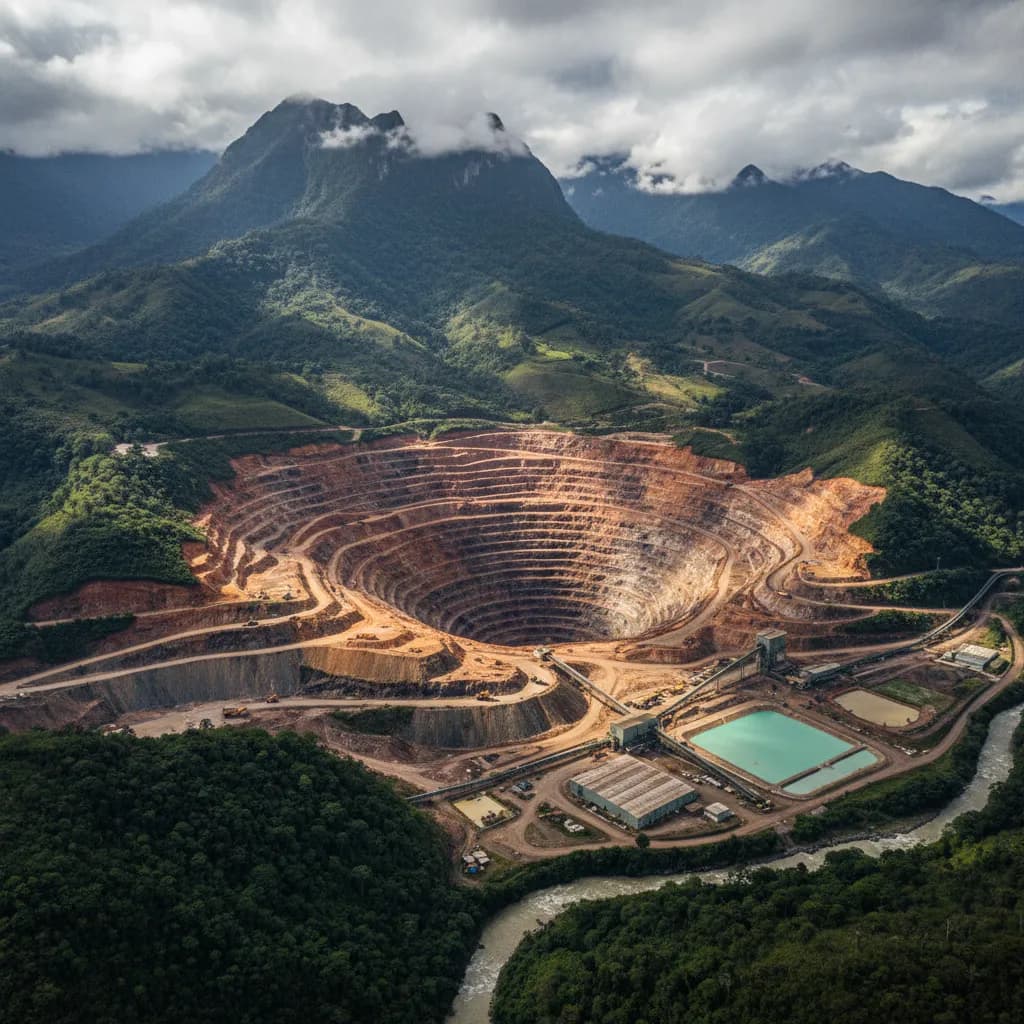
At a 54-nation Critical Minerals Ministerial in Washington, the US formally recognized Ecuador's rare earth elements, copper, and gold deposits as strategically important — unlocking up to $10 billion in EXIM Bank financing and DFC investment guarantees for mining development.
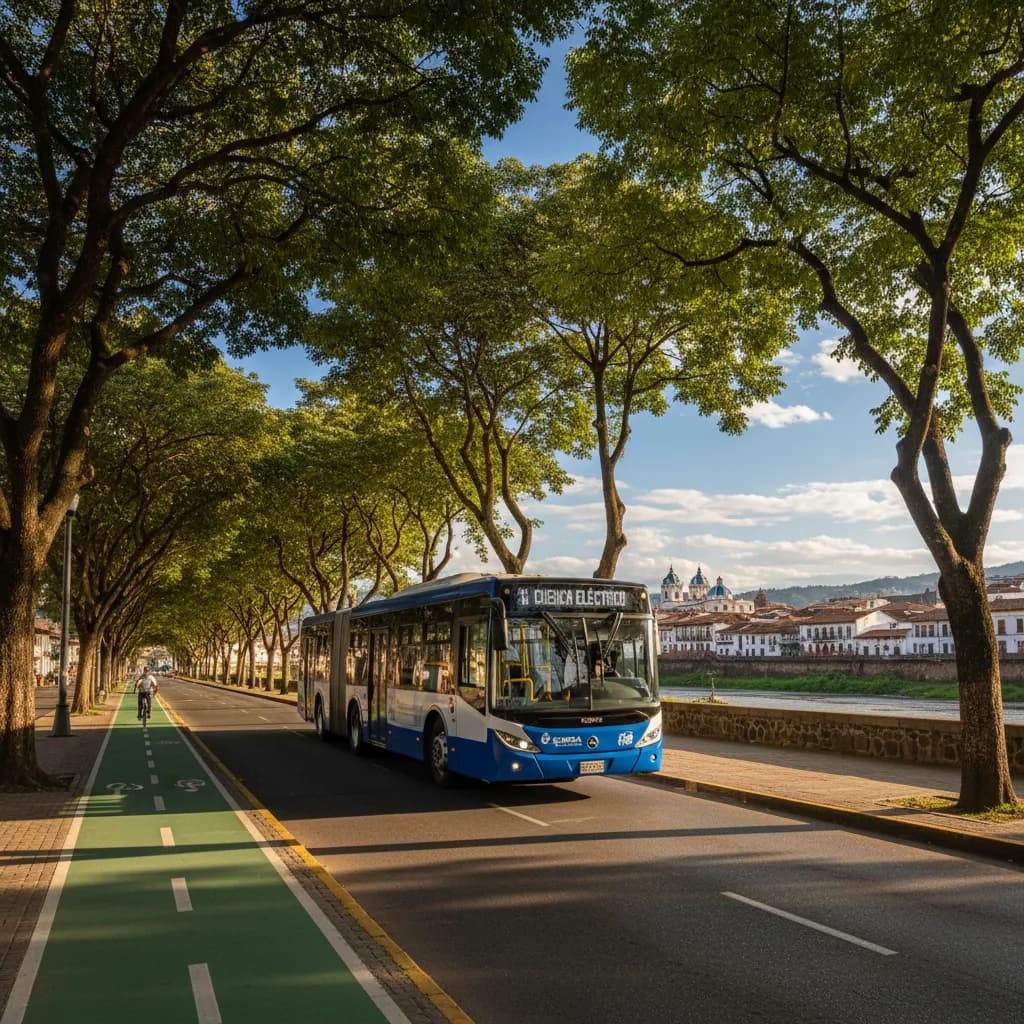
Cuenca has become the third Ecuadorian city to adopt a formal climate action plan, covering electric bus deployment and water source protection. Bloomberg Philanthropies has awarded the city $150,000 for youth-led environmental projects as Cuenca enters 2026 under a dramatically different hydrological reality.
Colombia suspended electricity sales to Ecuador and imposed retaliatory tariffs after Ecuador slapped a 30% 'security tariff' on Colombian goods. With Ecuador's grid 79% dependent on hydroelectric power, the loss of Colombian energy imports raises the specter of the devastating 2024 blackouts.
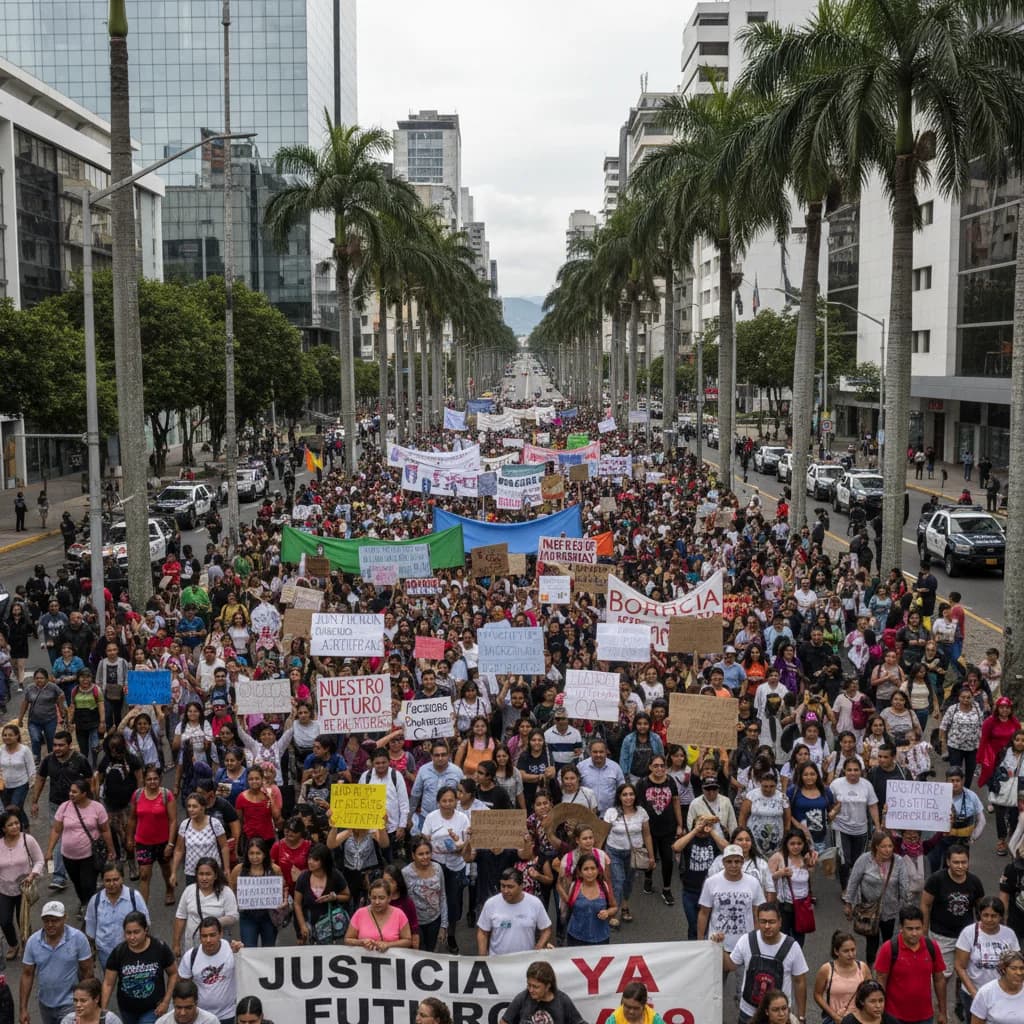
The U.S. Embassy has issued security alerts for downtown Guayaquil, warning American citizens about ongoing demonstrations following the arrest of Mayor Aquiles Alvarez on money laundering charges. Expats are advised to avoid protest areas and carry identification at all times.
President Noboa announced Friday that the national government will operate from Guayaquil for several weeks, with the National Police high command relocating as well. The move comes two days after the arrest of Guayaquil’s mayor and amid record violence that made Ecuador the world’s most dangerous country in 2025.