Ecuador-Colombia Crisis Deepens: Petro Accuses Ecuador of Bombing Colombian Territory

What Happened
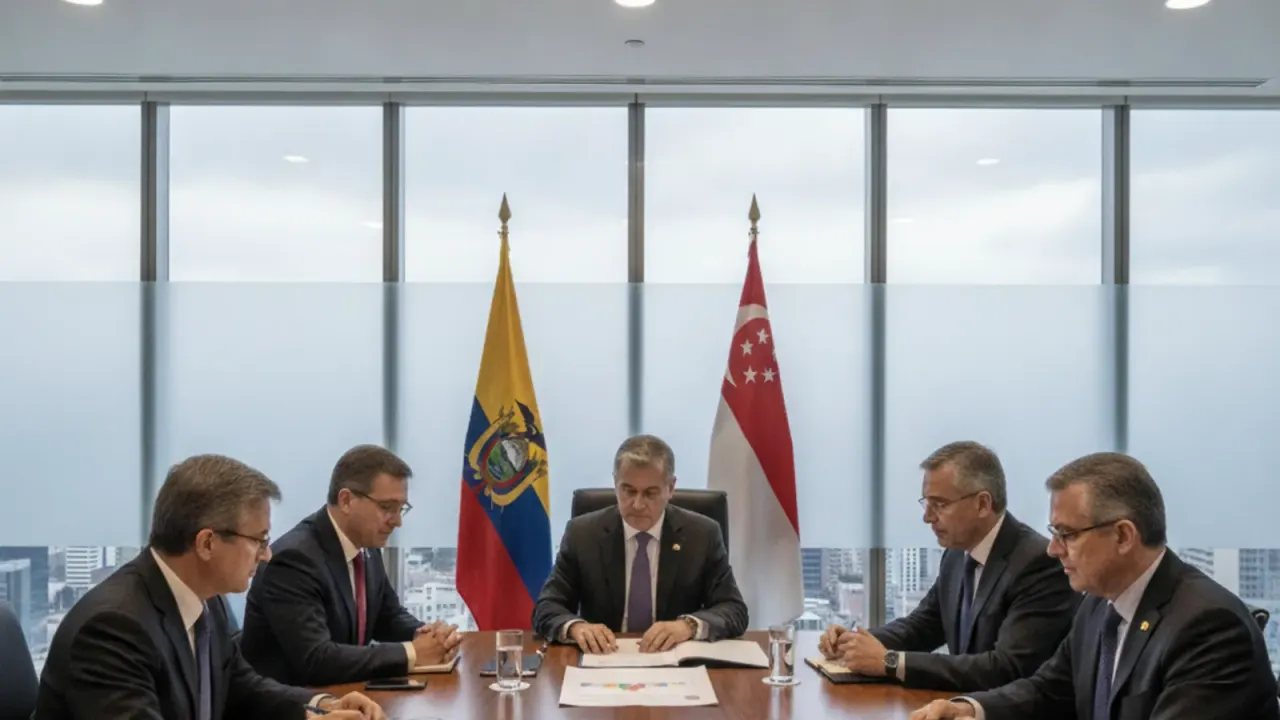
On Monday, March 17, Colombian President Gustavo Petro made an explosive accusation: Ecuador had bombed targets inside Colombian territory.
Petro claimed that 27 charred bodies were discovered near the Colombia-Ecuador border and said the bombings "do not appear to be the work of armed groups — they don't have aircraft — nor of the Colombian security forces."
His implication was unmistakable: Ecuador's military did this on Colombian soil.
Ecuador's Response
President Daniel Noboa responded swiftly and bluntly on X (formerly Twitter):
"President Petro, your declarations are false. We are acting in our territory, not yours."
Noboa maintained that all military strikes occurred within Ecuador's borders, targeting hideouts of "narco-terrorism groups of mostly Colombian origin." The operations are part of the US-backed "Operation Total Extermination" campaign launched earlier this month.
The Investigation
Colombian and Ecuadorian authorities are now jointly examining whether Ecuador's sovereignty was violated. A bomb fragment found on the Colombian side of the border appeared to belong to Ecuador's armed forces, according to Colombian officials.
Neither country has provided definitive evidence to resolve the dispute.
Why This Is So Dangerous
This isn't happening in a vacuum. The Ecuador-Colombia relationship has been deteriorating since January:
| Event | Date | Impact | |---|---|---| | Ecuador imposes 30% "security tariff" on Colombian imports | January 21 | Trade war begins | | Colombia retaliates — cuts electricity exports to Ecuador | February | Energy vulnerability | | Colombia hikes SOTE pipeline fees 900% | February | Oil export costs surge | | Ecuador raises tariffs to 50% | March 1 | Full trade war | | Colombia retaliates on 280 products at 50% | March 3 | Bilateral trade collapsing | | Petro accuses Ecuador of bombing Colombia | March 17 | Diplomatic crisis |
The two countries share a 586-kilometer border, over $1.1 billion in annual bilateral trade, and interconnected energy infrastructure. A full diplomatic rupture would hurt both sides — but Ecuador, as the smaller economy, has more to lose.
What This Means for Expats
Confused about which visa fits your situation? Book a 30-minute consultation with Chip and leave with a clear plan.
Book a consultationBorder travel: The Colombia-Ecuador border (Tulcán-Ipiales) remains open but tensions make crossings less predictable. If you regularly cross for shopping or travel, monitor the situation closely.
Electricity: Colombia previously supplied up to 10% of Ecuador's electricity during dry seasons. That supply has been cut. Ecuador has leased floating Turkish power plants to compensate, but the buffer is thin.
Prices: The escalating tariff war — now at 50% on both sides — affects pharmaceuticals, processed foods, and industrial inputs that Ecuador imports from Colombia. Expect continued price increases at pharmacies and supermarkets.
Safety: The border conflict zone is far from expat centers. The military operations are concentrated in Esmeraldas and Sucumbíos provinces along the northern border — areas most expats don't visit.
Perspective: Ecuador-Colombia diplomatic crises have happened before and eventually resolve. But this one combines trade, energy, military, and diplomatic dimensions in a way that's genuinely unprecedented.
Sources: Al Jazeera, Washington Post, Bloomberg, US News
More in Politics
View all →Keep practical Ecuador coverage free to read.
Reader support helps fund source monitoring, translation, editing, publishing, and national coverage for expats across Ecuador.
Need help with your Ecuador visa? EcuaPass handles the paperwork for you. Learn more →
Comments
No comments yet. Be the first to share your thoughts!