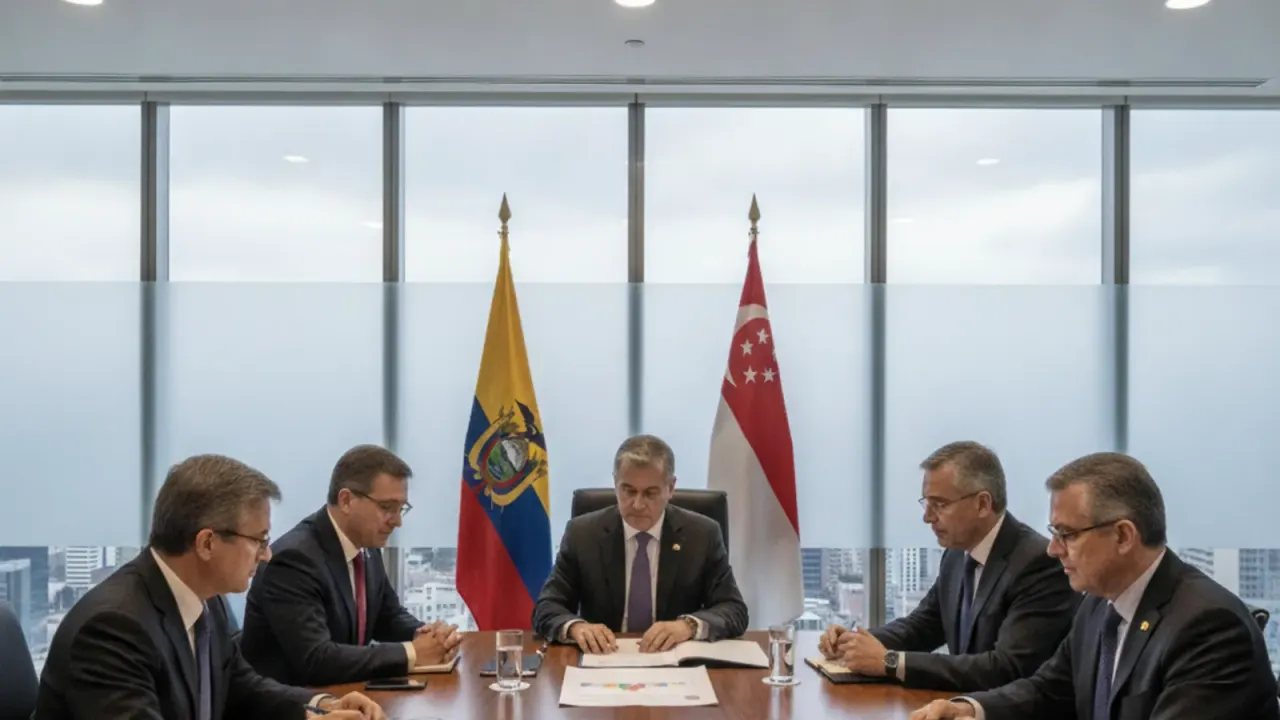
Noboa on China: "I Can't Fight With My Second-Largest Trading Partner"

President Daniel Noboa is trying to walk one of the most difficult tightropes in Latin American diplomacy — and he said so publicly.
The Interview
In a March 20 interview with CNN en Espanol, President Noboa addressed the tension between Ecuador's deepening security partnership with the United States and its substantial trade relationship with China. His central message was blunt: "I can't fight with my second-largest trading partner."
The interview came days after Ecuador signed a bilateral trade agreement with the U.S. and amid ongoing negotiations to expand commercial ties with Beijing. Noboa framed Ecuador's position as pragmatic rather than ideological — the country needs both relationships to survive economically.
The China Trade Reality
China is Ecuador's second-largest trading partner behind the United States, and the relationship has grown steadily over the past decade. Key facts:
- Chinese imports to Ecuador include electronics, machinery, vehicles, textiles, and industrial equipment — goods that Ecuador does not produce domestically
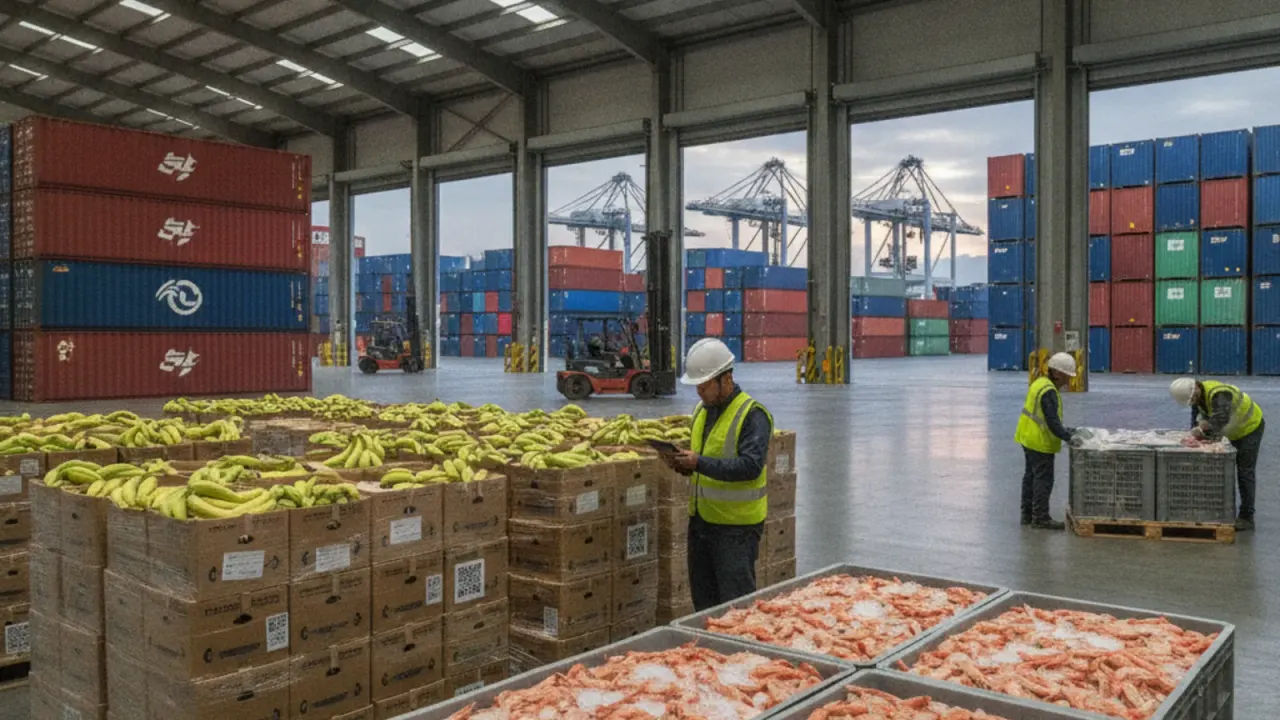
- Ecuador exports to China include oil, shrimp, bananas, and minerals — commodities that China buys in large quantities
- Chinese-financed infrastructure projects have shaped Ecuador's modern landscape, including the Coca Codo Sinclair hydroelectric dam (built by Sinohydro), multiple highways, and mining operations
- Ecuador owes billions in Chinese debt, much of it structured as oil-for-loans agreements dating to the Correa administration (2007-2017)
Picking a fight with Beijing would risk access to a massive market, a major source of imports, and a creditor that holds significant leverage over Ecuador's finances.
The U.S. Alliance
At the same time, Noboa has pursued the closest U.S.-Ecuador relationship in modern history:
- 75,000 U.S. military personnel are now deployed on Ecuadorian soil for counter-narcotics operations
- The FBI opened its first permanent office in Ecuador at the U.S. Embassy in Quito
- A bilateral trade agreement signed March 18 grants tariff-free access for 53% of Ecuador's non-oil exports to the U.S.
- Homeland Security Secretary Kristi Noem visited Quito March 25-26 and received Ecuador's highest civilian decoration
- Ecuador expelled the Cuban ambassador in early March — widely interpreted as a signal of alignment with Washington
The United States is Ecuador's largest trading partner and largest source of remittances. The security relationship has brought tangible benefits in the form of intelligence sharing, equipment, training, and direct military support against narcotrafficking organizations.
The Balancing Act
Noboa's position reflects a broader trend across Latin America, where leaders must navigate between two superpowers with competing interests in the region. Ecuador's approach is notable for its lack of pretense — Noboa is not claiming neutrality or non-alignment. He is openly acknowledging that Ecuador depends on both the U.S. and China for different things, and cannot afford to alienate either.
This balancing act has limits. Washington has increasingly pressured Latin American allies to reduce Chinese involvement in critical infrastructure, telecommunications (particularly Huawei 5G networks), and strategic mining operations. If the U.S. demands that Ecuador choose, Noboa's pragmatic stance will be tested.
What This Means for Expats
Confused about which visa fits your situation? Book a 30-minute consultation with Chip and leave with a clear plan.
Book a consultation- Ecuador's economic stability depends on maintaining both relationships. A rupture with either the U.S. or China would have immediate consequences for trade, prices, and employment
- If you import goods or run a business in Ecuador, Chinese-manufactured products and components are deeply embedded in the supply chain. Any trade disruption with China would affect availability and pricing
- The U.S. security presence is directly tied to the diplomatic relationship. As long as Ecuador maintains its alliance with Washington, the military and law enforcement cooperation that is reshaping the country's security landscape will continue
- For U.S. expats specifically, Noboa's pro-Washington orientation means Ecuador remains one of the most cooperative countries in the region for American residents. Consular services, legal protections, and diplomatic support benefit from the strong bilateral relationship
- Watch the China-U.S. dynamic closely. If global tensions escalate, Ecuador's position as a country that depends on both could become increasingly uncomfortable — and the fallout could affect everything from consumer prices to visa processing
Source: CNN en Espanol
More in Politics
View all →Keep practical Ecuador coverage free to read.
Reader support helps fund source monitoring, translation, editing, publishing, and national coverage for expats across Ecuador.
Need help with your Ecuador visa? EcuaPass handles the paperwork for you. Learn more →
Comments
No comments yet. Be the first to share your thoughts!