IESS Gets Zero Government Funding in 2026 Budget — Healthcare System Faces $1B Gap

Ecuador's public healthcare system is in deep trouble — and the 2026 national budget just made it worse.
What Happened
The Ecuadorian government's 2026 budget proposal (proforma presupuestaria) includes zero funding for the medical care operations of the Instituto Ecuatoriano de Seguridad Social (IESS) — the country's social security and public healthcare system. The omission leaves IESS facing an estimated $1 billion gap between what it needs to provide healthcare services and what it actually has.
This is not a surprise cut. The government has been gradually reducing its transfers to IESS for years, but the 2026 budget marks the first time the allocation has dropped to nothing. Primicias reported that the budget prioritizes debt servicing, security spending, and infrastructure — leaving IESS to fund healthcare operations entirely from member contributions.
How IESS Works
For expats unfamiliar with the system: IESS (Instituto Ecuatoriano de Seguridad Social) is Ecuador's mandatory social security system. It provides healthcare, pensions, and disability coverage. If you hold an Ecuadorian visa, you are legally required to affiliate with IESS within the first 30 days of receiving your cedula.
As of 2026, the minimum monthly IESS premium is approximately $85, calculated at 17.6% of the $482 salario basico unificado (SBU) — Ecuador's minimum wage. Self-employed individuals and voluntary affiliates (including most expats) pay this rate on their declared income, with the SBU as the floor.
The Reality on the Ground
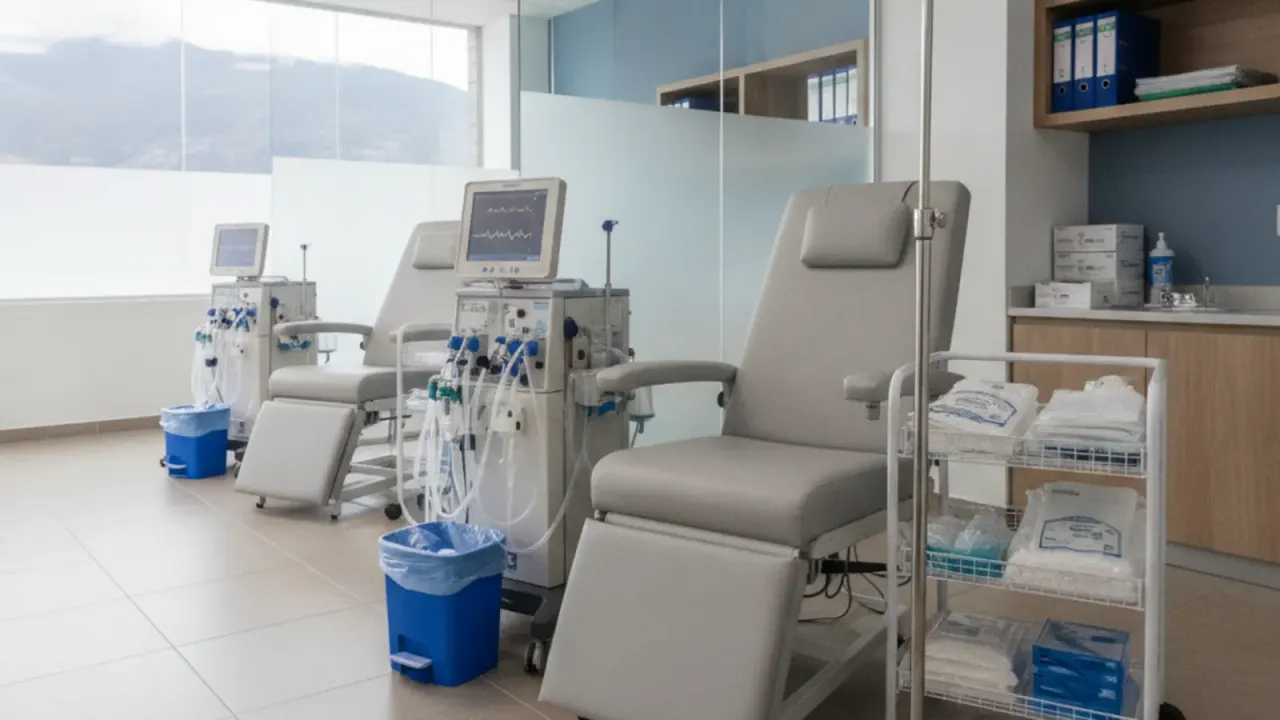
The funding gap is not theoretical. IESS hospitals and clinics across the country are already operating under severe strain:
- Medication shortages are chronic. Patients report being told to buy their own prescriptions at private pharmacies because IESS dispensaries are out of stock on everything from blood pressure medication to antibiotics
- Emergency room waits of 4-8 hours are standard at major IESS hospitals in Quito and Guayaquil. In some facilities, patients have reported waiting more than 12 hours for non-critical care
- Specialist appointments routinely carry wait times of 3-6 months. Getting a referral to a cardiologist, endocrinologist, or orthopedic surgeon through IESS can take longer than the condition can safely wait
- Surgical backlogs mean elective and semi-elective procedures are delayed indefinitely. Hip replacements, hernia repairs, and cataract surgeries face months-long queues
The Financial Math
IESS collects contributions from approximately 3.5 million active affiliates plus employer contributions. But the system covers healthcare for affiliates plus their dependents — a population of roughly 10 million people, or more than half of Ecuador's total population.
The math has never worked without government transfers. Previous administrations contributed varying amounts — sometimes billions annually — to cover the difference. The Noboa administration's decision to allocate zero in the 2026 budget forces IESS to either cut services further, increase contribution rates, or accumulate debt.
What This Means for Expats
Confused about which visa fits your situation? Book a 30-minute consultation with Chip and leave with a clear plan.
Book a consultation- You are legally required to pay IESS if you hold an Ecuadorian visa, but the quality of care you receive continues to decline. The $85/month minimum premium buys you access to a system under extreme stress
- Most expats with means already use private healthcare as their primary system, treating IESS as a backup or using it selectively for lab work and prescriptions. This funding gap makes that approach even more advisable
- If you rely on IESS for medications, build relationships with your IESS doctor and have a backup plan for obtaining prescriptions privately. Farmacias like Fybeca and Pharmacys carry most medications, though at out-of-pocket prices
- Private health insurance is not a substitute for IESS under Ecuadorian law — you must maintain IESS affiliation regardless. But having private coverage (through providers like BMI, Saludsa, or Equivida) ensures you can access timely care when IESS cannot deliver
- The IESS funding crisis may eventually lead to contribution increases. If you budget based on the current $85/month minimum, be prepared for that number to rise
Source: Primicias
More in Healthcare
View all →Keep practical Ecuador coverage free to read.
Reader support helps fund source monitoring, translation, editing, publishing, and national coverage for expats across Ecuador.
Need health insurance in Ecuador? EcuaInsure compares local plans and helps you enroll. Learn more →
Comments
No comments yet. Be the first to share your thoughts!