Daily coverage from across the country, written for the expat community
Results for “healthcare”Clear
Private health insurance continues to grow in Ecuador, with more than 1.7 million people covered and health insurance premiums reaching USD 180.5 million in 2025.
Ecuador’s social security system had 3.6 million active affiliates as of May 2026, up more than 102,000 from a year earlier. The useful part for expats is understanding the difference between dependent, independent, voluntary, domestic-work, and youth affiliation.
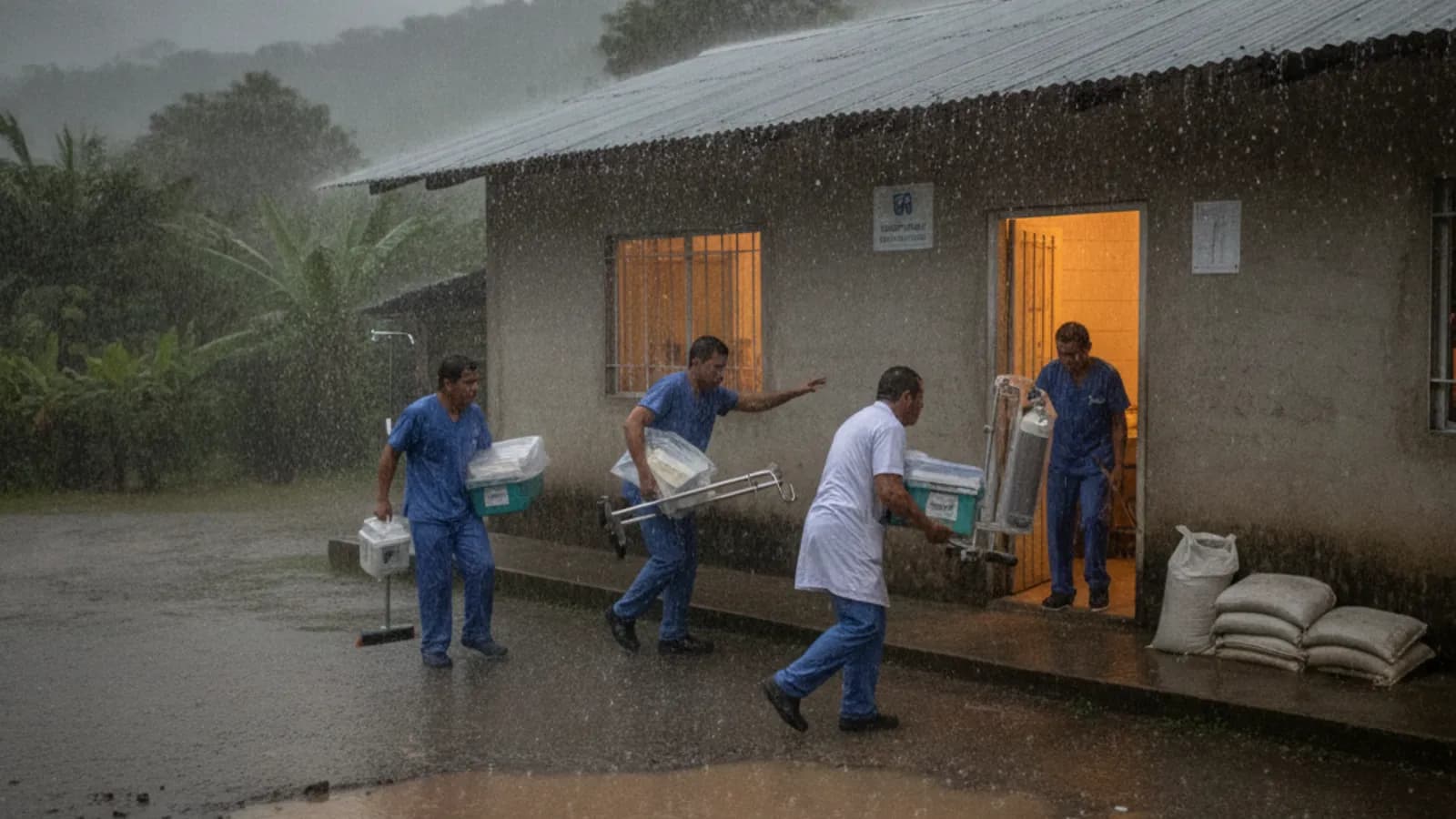
At least 460 hospitals and health centers are located in Ecuador parishes under yellow alert for El Nino. Most are small health centers, and the risk list is concentrated heavily in Manabi and Guayas.
IESS transferred more than $63 million to 195 private health providers in June 2026, with Azuay, Guayas and Pichincha among the provinces highlighted. The payments are part of more than $616 million sent to external providers since December 2025.
Research based on hospital discharge and Solca data found that skin-cancer impact is concentrated among people over 65, especially men, with Pichincha, Azuay, Loja, Guayas and Manabi highlighted in the study.
IESS says Teodoro Maldonado Carbo Hospital allocated $435,083 for medications and supplies, including antibiotics, neonatal respiratory supplies, suction hoses and Tocilizumab. For expats using IESS or watching the public system, this is a concrete supply update with named purchases and dollar amounts.
El Universo reports Solca Quito received more than 18,000 oncology medicines from Ecuador's Ministry of Public Health. The donation includes 17 essential medicine types and is expected to benefit 130 patients in the first half of 2026.
Primicias reports Ecuador recorded 10,562 tuberculosis cases in 2025 and 676 deaths nationwide. The report says prisons accounted for 2,576 cases, highlighting a public-health problem concentrated inside the prison system.
El Comercio reports that President Daniel Noboa announced Ecuador will begin acquiring medicines from India, with negotiations already underway and an expected arrival in about three weeks. The amount, medicine types and first hospitals have not yet been detailed.
La Hora reports complaints from users who say they could not access surgery at the Ambato IESS Hospital, while the institution says it has two operating rooms active 24 hours a day and performed 438 procedures since April 2026.
El Comercio reports that dialysis patients are traveling to other cities or paying out of pocket because the MSP owes two years of services to private dialysis centers. The report says many patients do not reach the 12 monthly sessions they require.
An 11 PM to 5 AM curfew is in effect across nine provinces and four cantons through May 18. No safe-conduct passes will be issued. Here is everything expats need to know, from affected areas to the only exemptions that exist.