Daily coverage from across the country, written for the expat community
Results for “IESS”Clear
Private health insurance continues to grow in Ecuador, with more than 1.7 million people covered and health insurance premiums reaching USD 180.5 million in 2025.
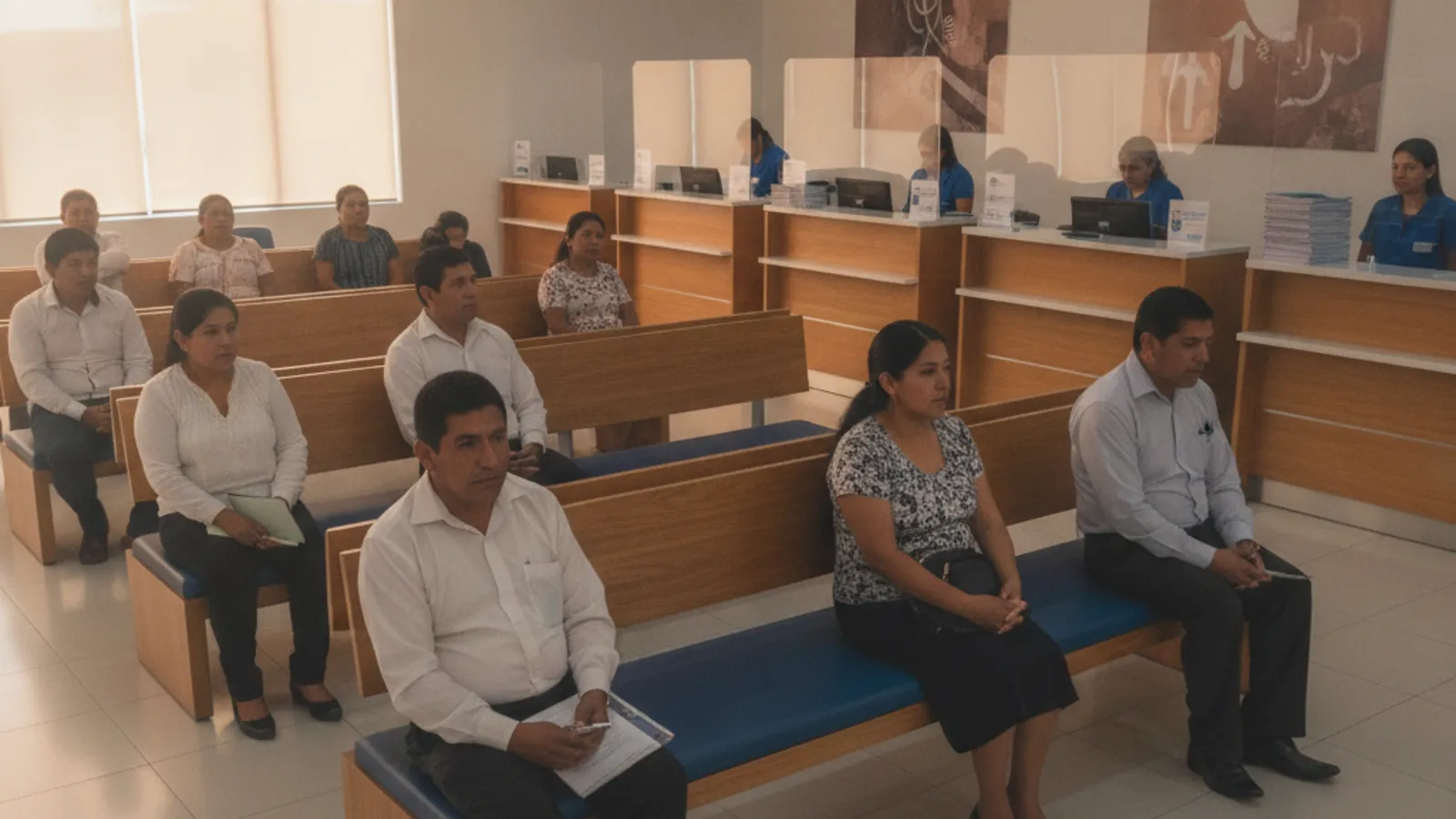
Ecuador’s social security system had 3.6 million active affiliates as of May 2026, up more than 102,000 from a year earlier. The useful part for expats is understanding the difference between dependent, independent, voluntary, domestic-work, and youth affiliation.
IESS transferred more than $63 million to 195 private health providers in June 2026, with Azuay, Guayas and Pichincha among the provinces highlighted. The payments are part of more than $616 million sent to external providers since December 2025.
BIESS has modernized InmoBiess, a web platform where affiliates and retirees can review qualified housing projects and estimate mortgage payments. The tool includes projects by city, price and number of bedrooms, but it does not replace the formal credit evaluation.
Ecuador’s Jóvenes en Acción program is expanding from 80,000 to 150,000 beneficiaries. Registration opened June 16 for vulnerable young adults ages 18 to 29, with selected participants receiving three $400 transfers over three months after completing assigned activities.
Net housing reservations in Ecuador rose 28% from January to April 2026 compared with the same period last year. Builders now project that annual housing sales could reach or exceed 40,000 units if favorable conditions continue.
BIESS has three mechanisms for affiliates, retirees and pensioners with pending mortgage obligations: refinancing, restructuring and novation. The options are designed to reduce late-interest pressure, protect credit history and avoid legal action tied to missed payments.
IESS says Teodoro Maldonado Carbo Hospital allocated $435,083 for medications and supplies, including antibiotics, neonatal respiratory supplies, suction hoses and Tocilizumab. For expats using IESS or watching the public system, this is a concrete supply update with named purchases and dollar amounts.
HIV patients at Quito's Carlos Andrade Marin Hospital say they have gone more than 15 days without TLD antiretroviral medication. Patient advocates estimate 1,600 HIV patients are treated at HCAM, while national health figures put Ecuador's HIV population at 52,357 people.
El Mercurio reports the Biess Credicasa mortgage plan has received 1,600 requests nationwide for more than $81 million. The plan offers a 2.99% mortgage rate for homes up to $65,000.
La Hora reports complaints from users who say they could not access surgery at the Ambato IESS Hospital, while the institution says it has two operating rooms active 24 hours a day and performed 438 procedures since April 2026.
El Comercio reports that dialysis patients are traveling to other cities or paying out of pocket because the MSP owes two years of services to private dialysis centers. The report says many patients do not reach the 12 monthly sessions they require.