Daily coverage from across the country, written for the expat community
Results for “water quality”Clear
Ecuador's National Assembly passed a new mining and energy law 77-70 on February 26, replacing environmental licenses with simplified authorizations and allowing rock extraction in the Galapagos Islands. CONAIE and environmental groups are protesting the changes as a rollback of decades of conservation policy.
Ecuador shipped 125,200 tonnes of shrimp in January 2026, a 23% increase year-over-year. China remains the top buyer at 49.5% of volume, though its share has declined from 54.2% in 2024. The industry projects a 15% increase for the full year.
Despite a 2023 referendum and an Inter-American Court of Human Rights order to stop drilling, Ecuador continues pumping 44,000 barrels per day from Block 43 in Yasuní National Park. HRW documented 29 oil spills and contaminated water affecting uncontacted indigenous groups.
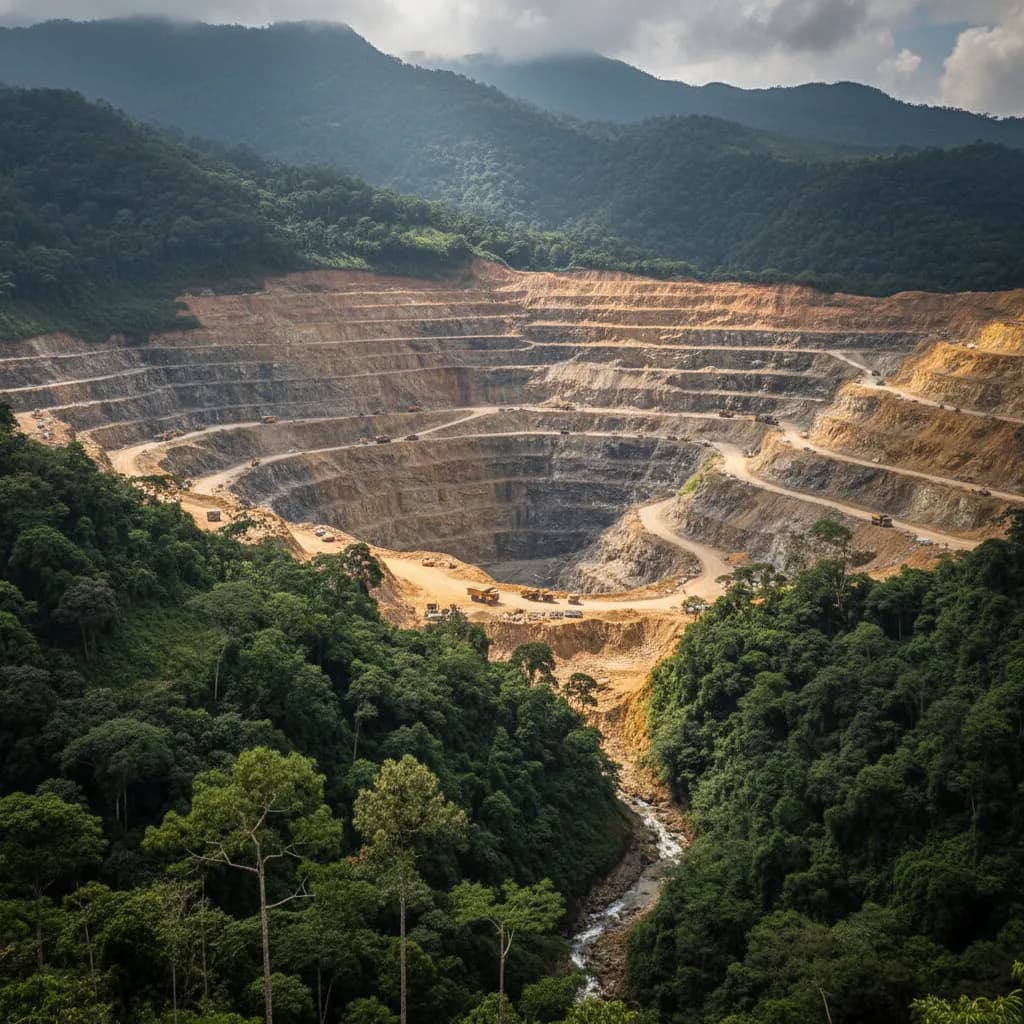
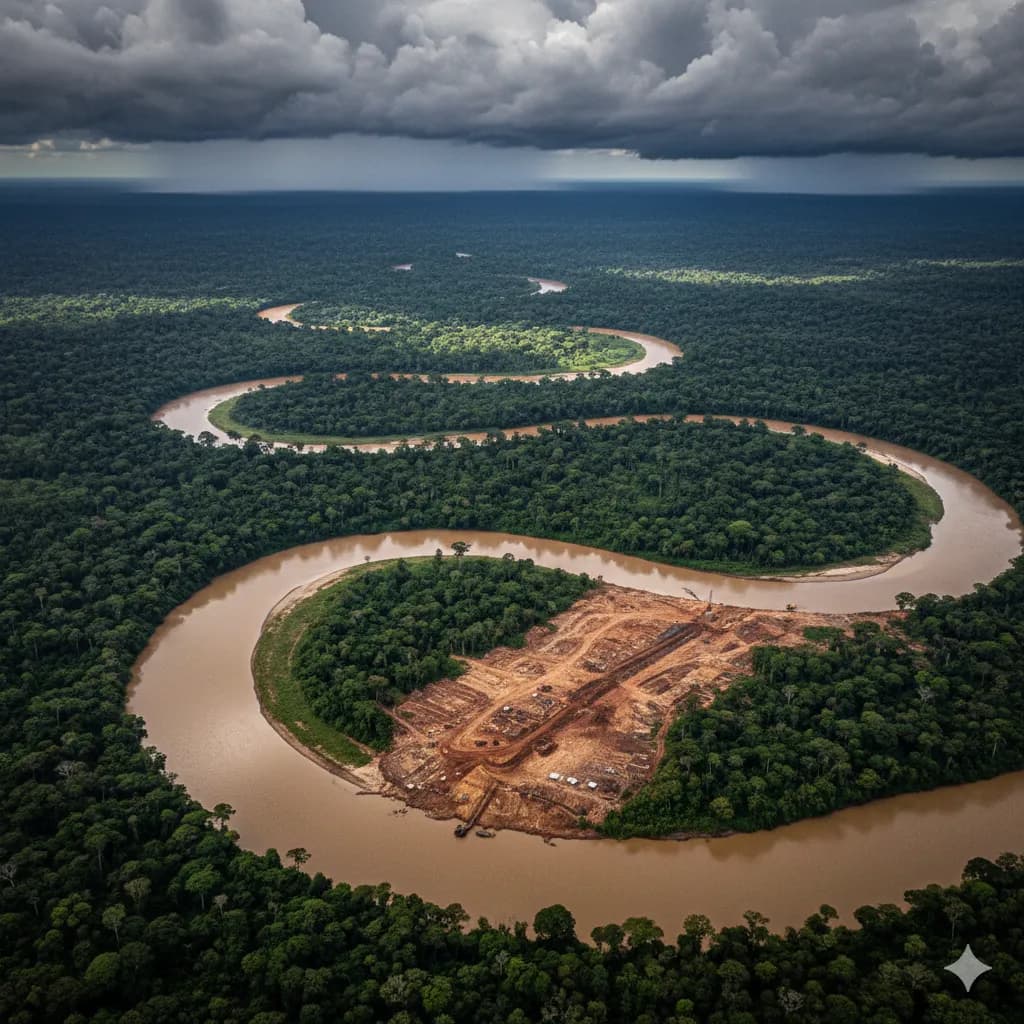
Environment Minister Ines Manzano ordered an indefinite suspension of all mining in Napo province and restrictions on 80 gold processing plants in El Oro and Loja after government tests found cyanide, arsenic, and lead in rivers exceeding safe limits.
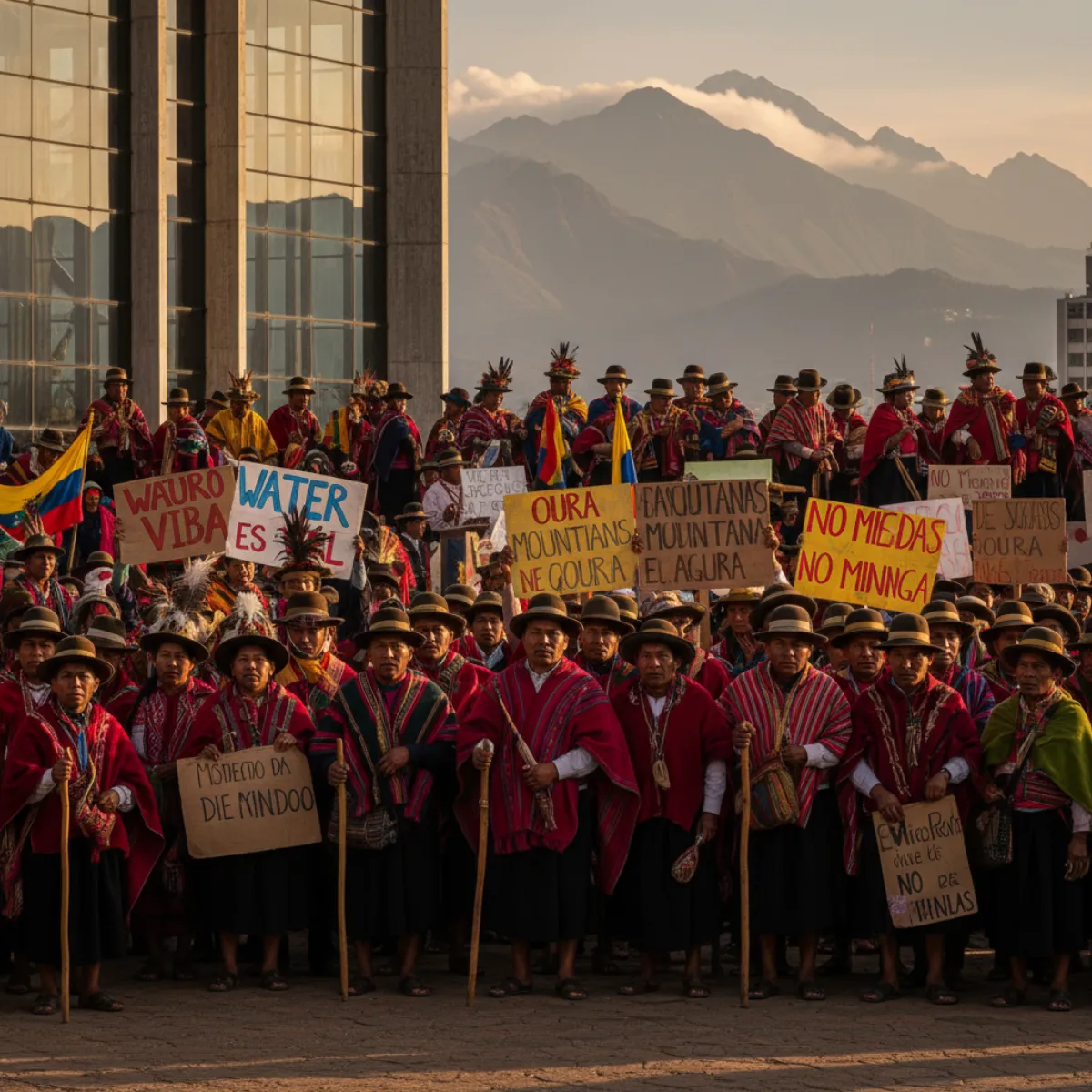
Indigenous leader Marlon Vargas calls President Noboa's urgent mining and energy reform a threat to water, territories, and collective rights. The National Assembly has until March 2 to vote on the bill, and CONAIE is calling for unity against it.
Ecuador’s largest gold mine exported a record $1.8 billion in 2025 — a 51% jump from the prior year — as gold prices topped $5,000 per ounce for the first time. Lundin Gold just announced $100 million in new exploration spending and discovered a fifth copper-gold deposit, signaling the mining boom is just getting started.
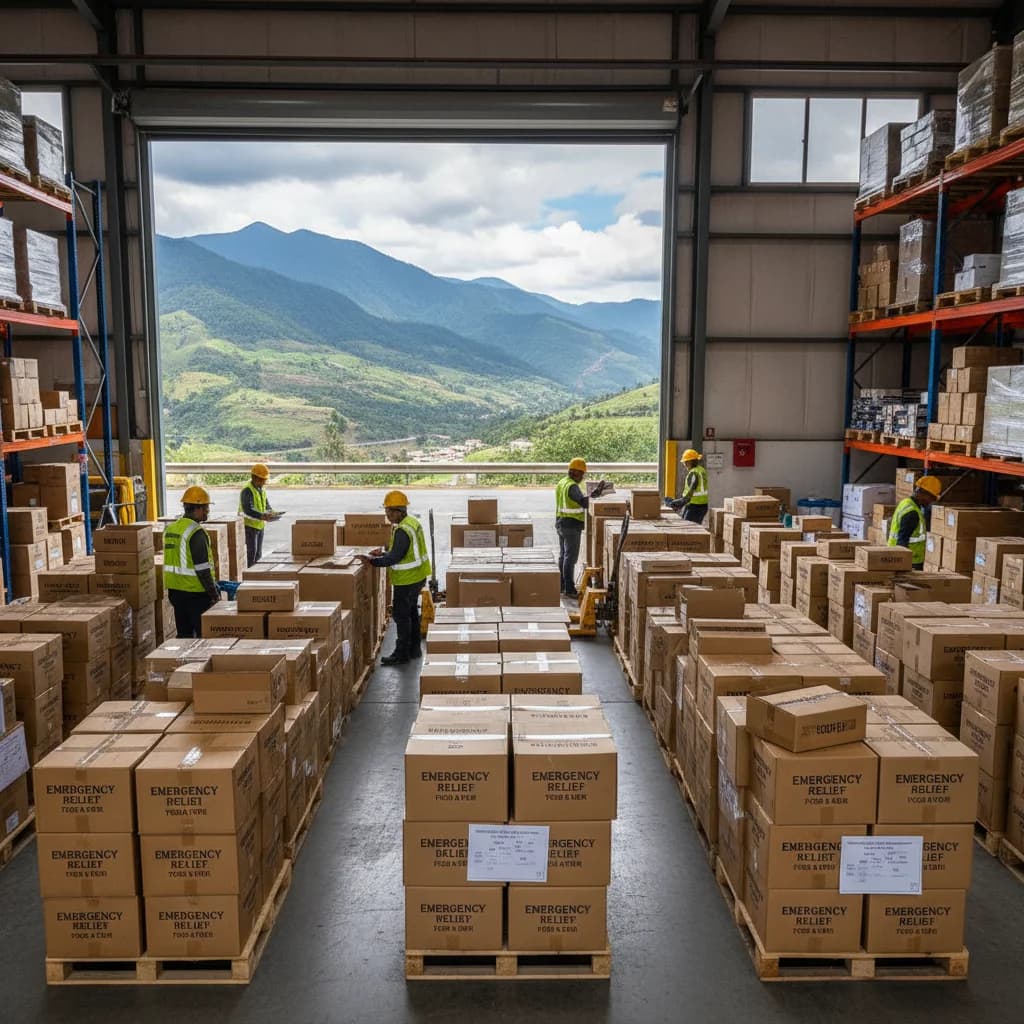
Loja province has been placed on orange alert and emergency warehouses now hold over 6,000 humanitarian aid kits — three times the historical average. Three cantons are under active watch as the rainy season intensifies across Ecuador's southern highlands.
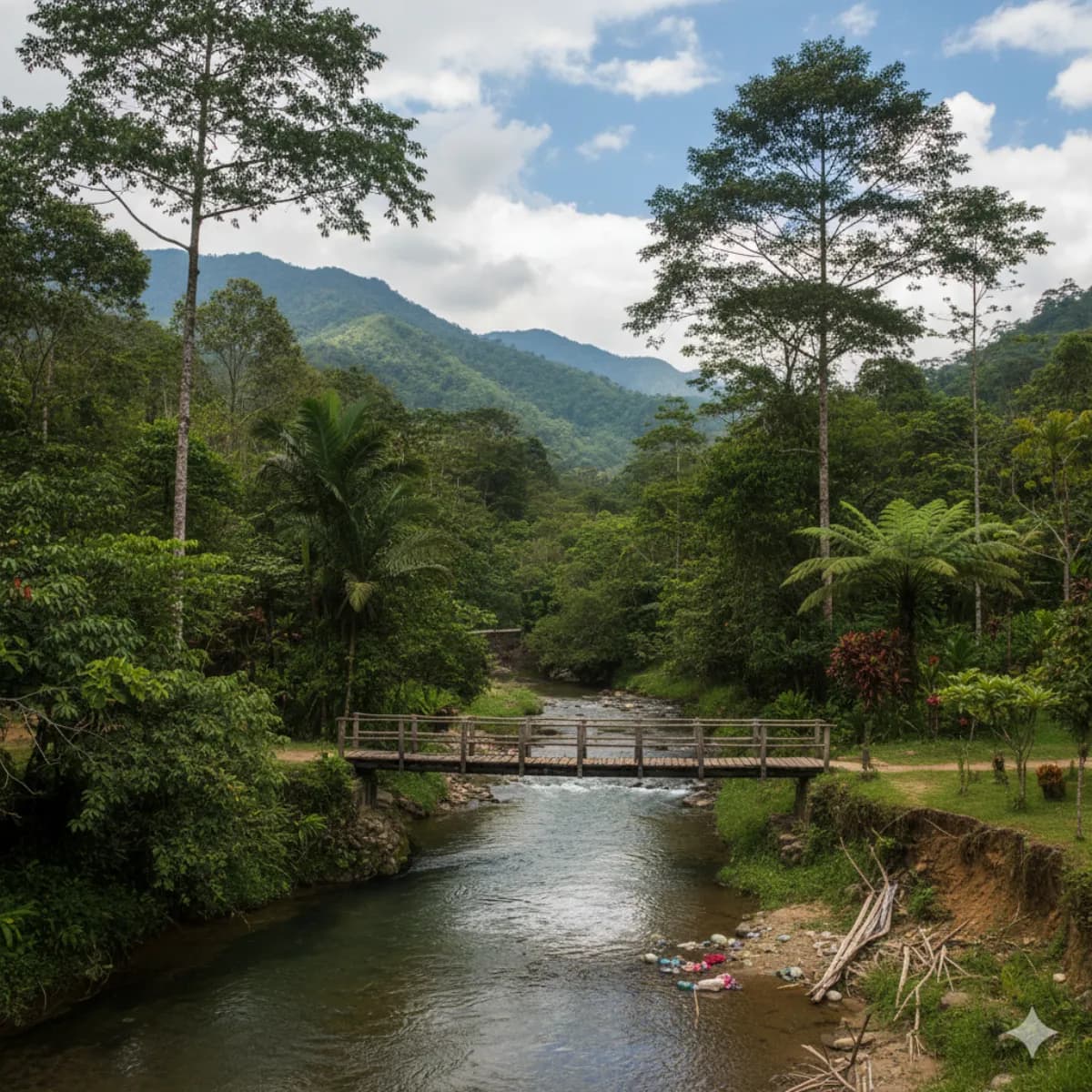
A ruptured sewage main in Malacatos discharged untreated wastewater into the river for three days. Downstream communities including Vilcabamba are under a boil-water advisory. Here's what expats need to know.
The government has indefinitely suspended all mining in Napo province and restricted processing plants in El Oro and Loja after detecting arsenic, cyanide, and heavy metals at dangerous levels in Amazonian rivers.