Daily coverage from across the country, written for the expat community
Results for “internet”Clear
CNT says 80% of institutional clients have recovered services after a data-center failure affected state platforms and mobile users. The company also said 75% of cloud operations had been fully restored by the afternoon of June 22.
A new report on digital recruitment describes how criminal groups use social media, narcoculture symbols and algorithmic engagement to pull minors toward illegal activity. The warning comes as adolescent arrests and violent deaths among minors remain a major national concern.
Primicias reports CNEL published a search tool for electricity cut schedules on Saturday, May 30, and Sunday, May 31. The schedules matter for residents planning errands, work, charging and travel over the weekend.
Primicias reports a magnitude 3.7 earthquake occurred at 06:58 on May 28 with an epicenter 54 kilometers from Yantzaza, Zamora Chinchipe. Authorities had not reported damage after the morning quake.
Celec says high river flows, sediment and rocky material damaged part of the Coca Codo Sinclair area after more than 20 continuous hours of pressure from the Coca River. El Comercio reports the national electric system remains guaranteed, but the episode shows why Amazon river conditions still matter for electricity users across Ecuador.
SECAP has opened 30,000 free virtual course spots through the Compromiso por el Empleo program. Courses run 60 to 90 hours and cover areas like e-commerce, web programming, gastronomy, computer maintenance, basic electricity and auto mechanics.
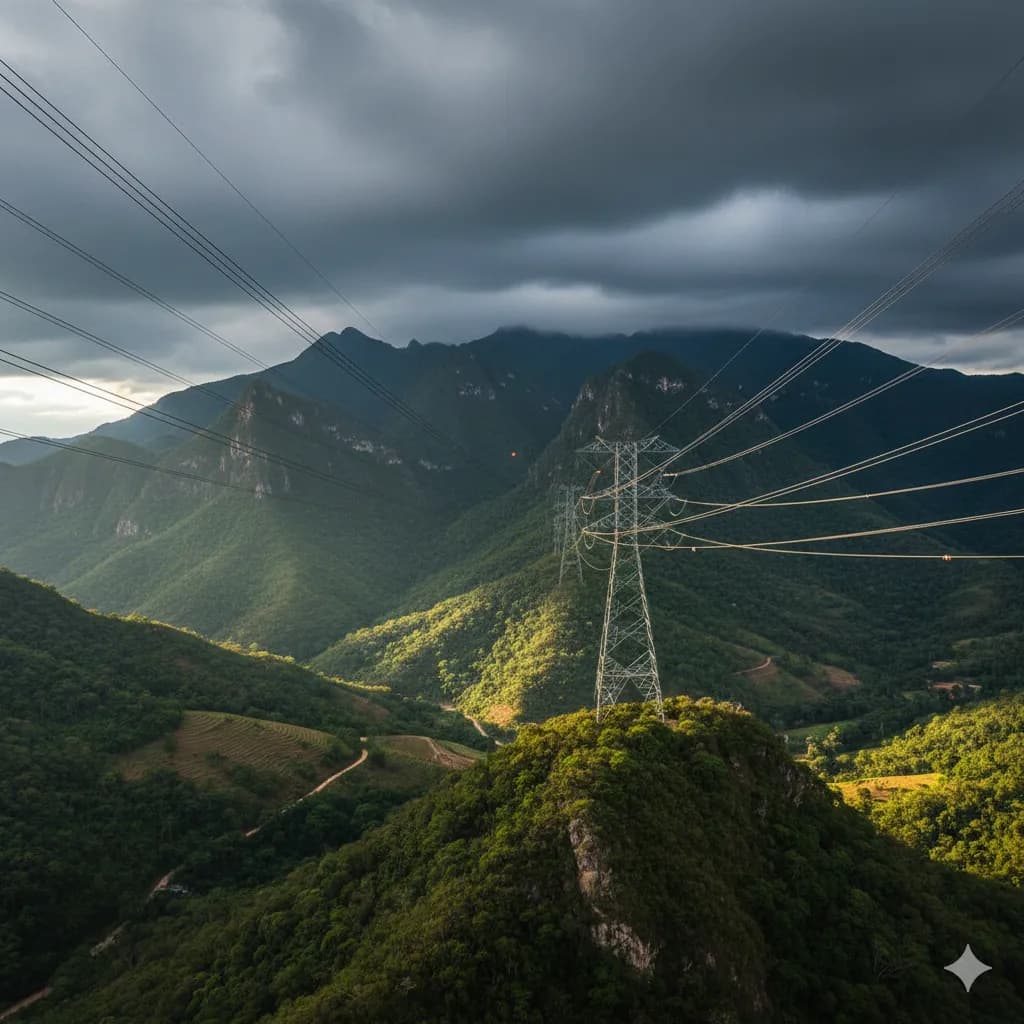
Without Colombian electricity and an unreliable Coca Codo Sinclair plant, Ecuador's grid operator projects rolling blackout risk during the October-March dry season. The government is scrambling to rent diesel generators.
Ecuador's grid operator CENACE has ordered businesses to self-generate electricity from 9 AM to 11 PM on weekdays since March 17. The Coca Codo Sinclair dam is operating at 37% capacity, and Colombia has suspended 450 MW in electricity exports.
A single expat can live comfortably in Ecuador for $1,200 to $1,500 per month, while couples typically spend $1,800 to $2,500. Here is a detailed breakdown of what things actually cost in 2026, from rent and groceries to healthcare and transportation.
Ecuador remains 50-70% cheaper than the United States in 2026, but inflation and the Colombia trade war are nudging some prices higher. Here are the latest monthly budgets, healthcare costs, and price benchmarks for expats in Cuenca, Quito, and the coast.
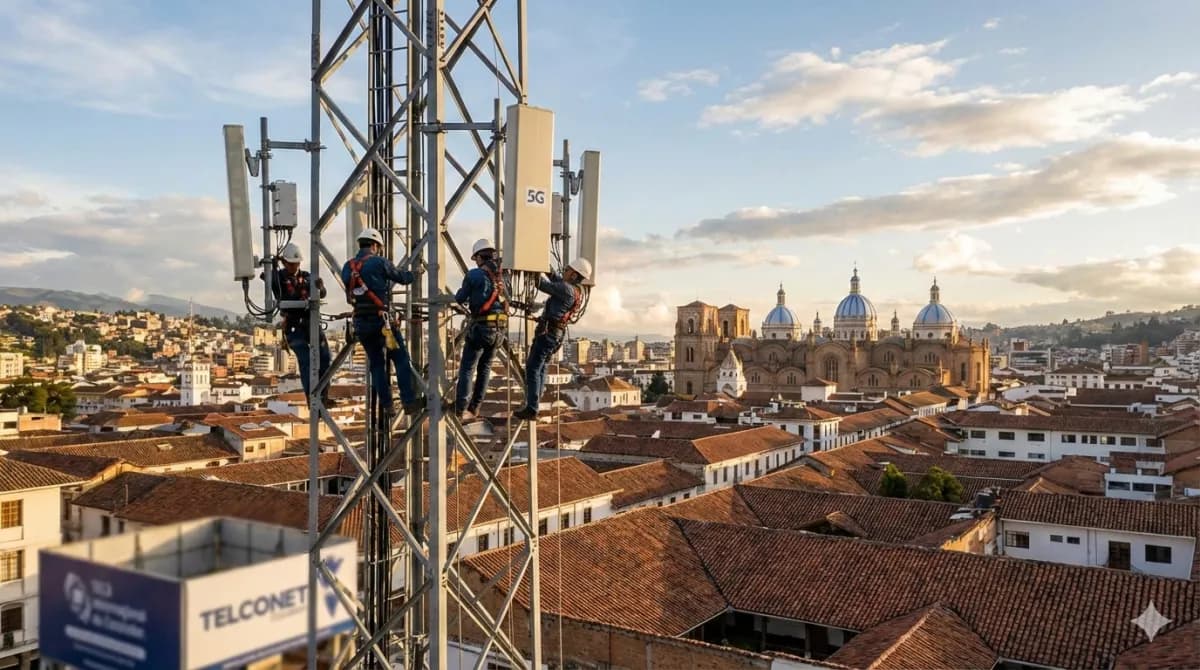
Latin America's largest mobile carrier will spend $600 million over three years to modernize its Ecuador network, expand coverage, and roll out 5G. Service is already live in Guayaquil, Quito, Puerto Ayora, and Coca.
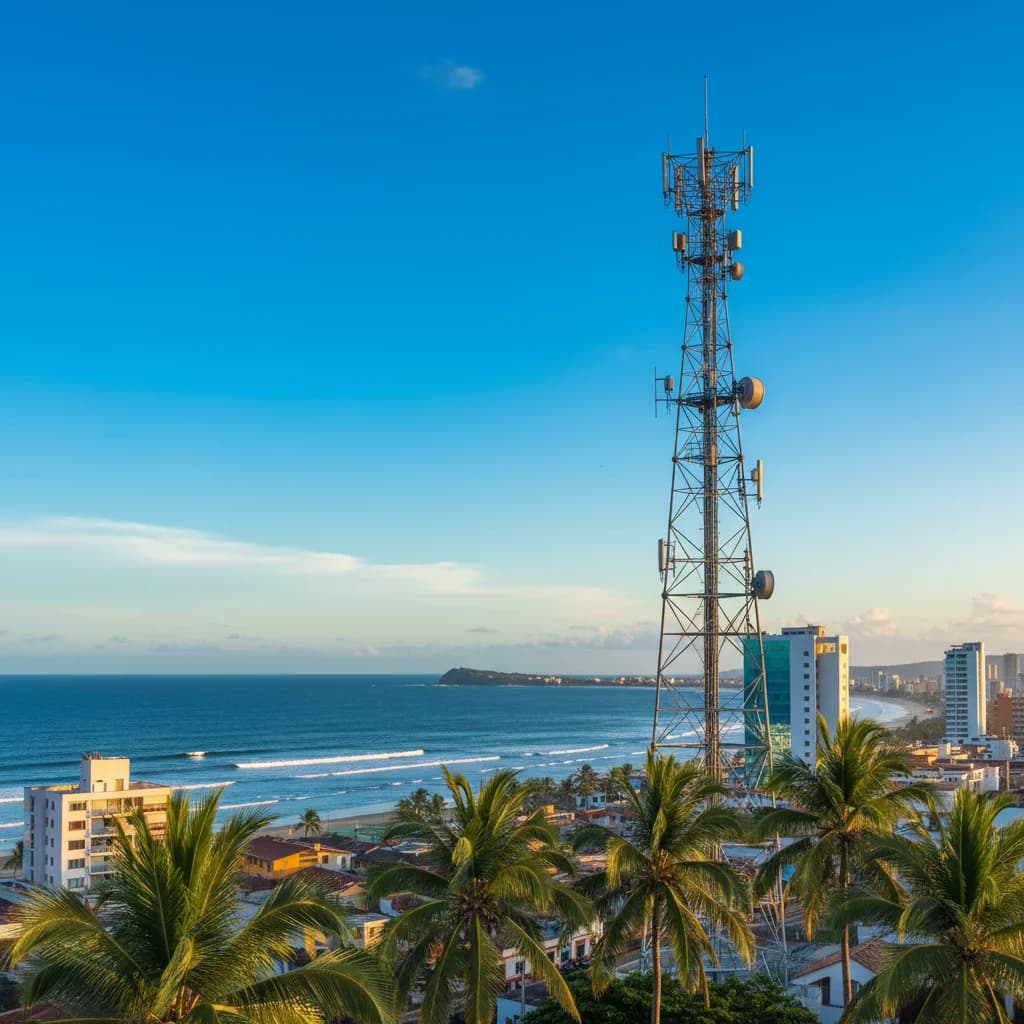
Ecuador's coast just got a significant internet upgrade. Seven 5G radio base stations are now operational in Manta, making it one of the first mid-sized cities outside Quito and Guayaquil to join the national 5G rollout.