Daily coverage from across the country, written for the expat community
Results for “housing”Clear
Spain’s housing prices rose about 14% in the first quarter of 2026, and Ecuadorian migrants are concentrated in several of the pressured markets. Madrid alone has around 130,000 Ecuadorian residents.
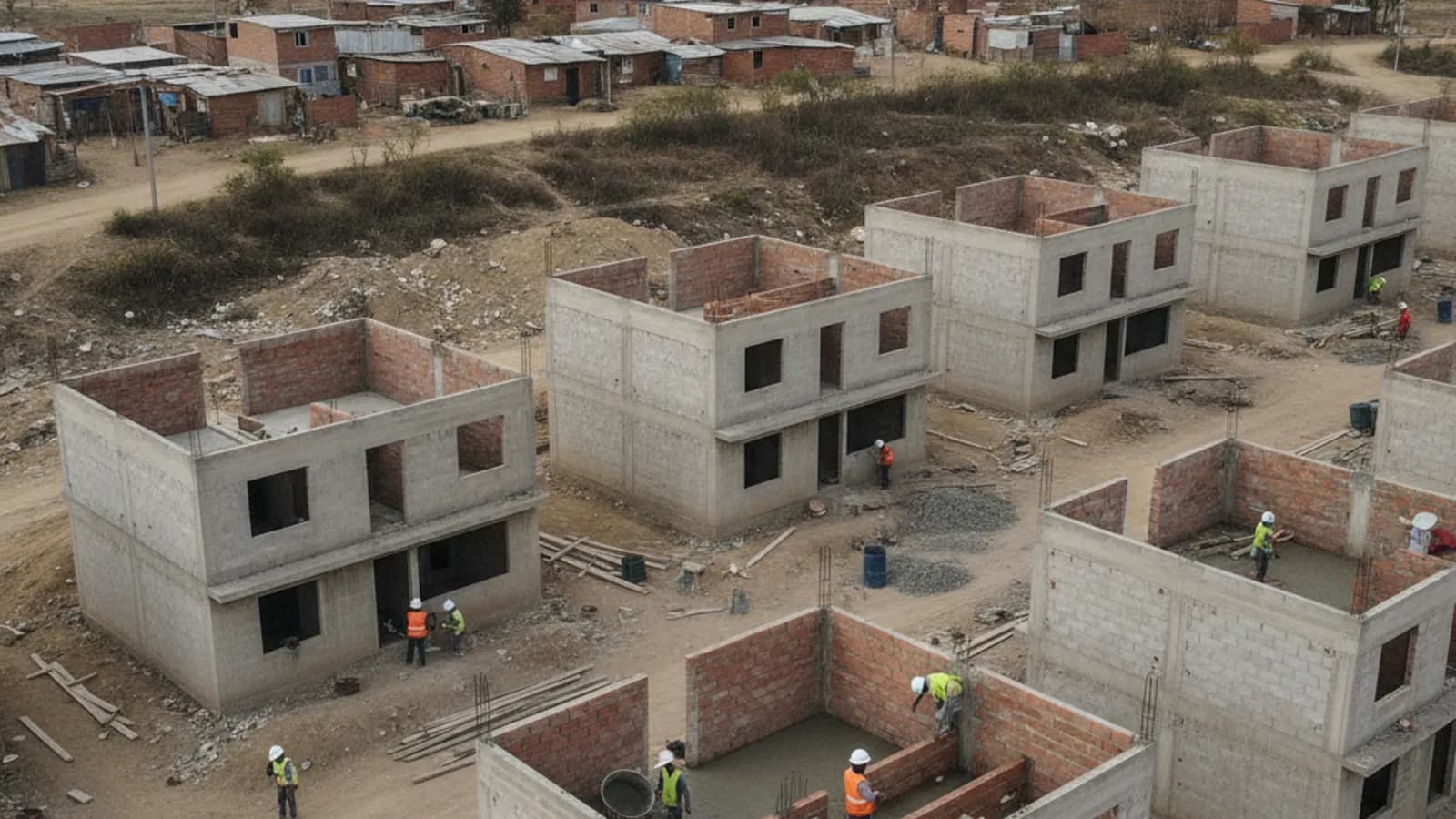
Ecuador issued Decree 441 on July 3, raising maximum values for certain social-interest housing categories. The change matters for buyers and developers watching subsidized housing, preferential mortgages, and lower-cost home inventory.
Seismic specialists are warning that Guayaquil’s soft soils, older structures and informal construction could make parts of the city especially vulnerable in a major earthquake.
BIESS has modernized InmoBiess, a web platform where affiliates and retirees can review qualified housing projects and estimate mortgage payments. The tool includes projects by city, price and number of bedrooms, but it does not replace the formal credit evaluation.
Ecuador recorded 12,322 vehicle-embargo judicial processes in 2025, and 10,609 more from January through May 2026. The numbers matter for anyone financing a car under a pledge or title-reservation structure.
Quito’s La Carolina and surrounding hypercenter remain among the city’s most demanded real-estate zones, with small units of 25 to 35 square meters in high demand. Market sources cite prices above $2,000 per square meter in high-end projects.
A water-service interruption affected several communes, neighborhoods and settlements along Guayaquil’s Vía a la Costa on June 21, 2026. Interagua said the problem came from a leak in the aqueduct near kilometer 51 and began supplying affected areas with tanker trucks.
Net housing reservations in Ecuador rose 28% from January to April 2026 compared with the same period last year. Builders now project that annual housing sales could reach or exceed 40,000 units if favorable conditions continue.
BIESS has three mechanisms for affiliates, retirees and pensioners with pending mortgage obligations: refinancing, restructuring and novation. The options are designed to reduce late-interest pressure, protect credit history and avoid legal action tied to missed payments.
El Mercurio reports the Biess Credicasa mortgage plan has received 1,600 requests nationwide for more than $81 million. The plan offers a 2.99% mortgage rate for homes up to $65,000.
Primicias reports that mortgage-credit disbursements grew 22% in the first quarter of 2026 compared with the same period in 2025. Sales, project visits and net reservations also rose, giving buyers and renters another signal that the housing market is tightening.
Average salary expectations have dropped 2.66% this quarter to $818, while the basic food basket costs $829. Here's what the gap means for Ecuador's economy and the expat cost-of-living picture.