Daily coverage from across the country, written for the expat community
Research based on hospital discharge and Solca data found that skin-cancer impact is concentrated among people over 65, especially men, with Pichincha, Azuay, Loja, Guayas and Manabi highlighted in the study.
Ecuador’s country-risk indicator closed at 386 basis points on June 12, the lowest level reported since September 30, 2014. The drop signals improved market confidence, though it does not immediately change day-to-day costs for residents.
Ecuador recorded 2,539 disappearance reports between January and April 2026, up 2.1% from the same period of 2025. Adolescents accounted for 1,289 cases, making them the largest reported age group.
BIESS has three mechanisms for affiliates, retirees and pensioners with pending mortgage obligations: refinancing, restructuring and novation. The options are designed to reduce late-interest pressure, protect credit history and avoid legal action tied to missed payments.
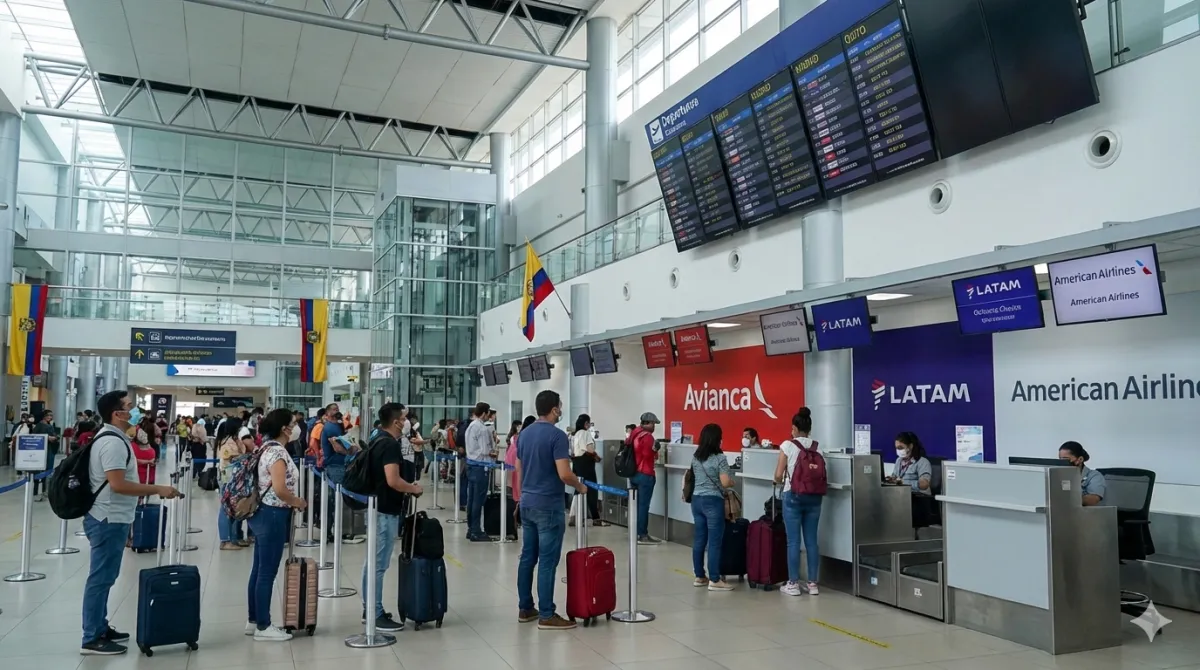
Travelers connecting through Lima’s Jorge Chávez airport must pay an $11.86 transfer fee called the TUUA. Ecuadorians using Lima for onward connections to South America, Asia and Europe are already feeling the extra cost.
Ecuador added 10 substances to its controlled list after warnings about synthetic-drug risks and abuse potential. The change also comes with a plan to create 24 provincial committees to coordinate drug policy in the territories.
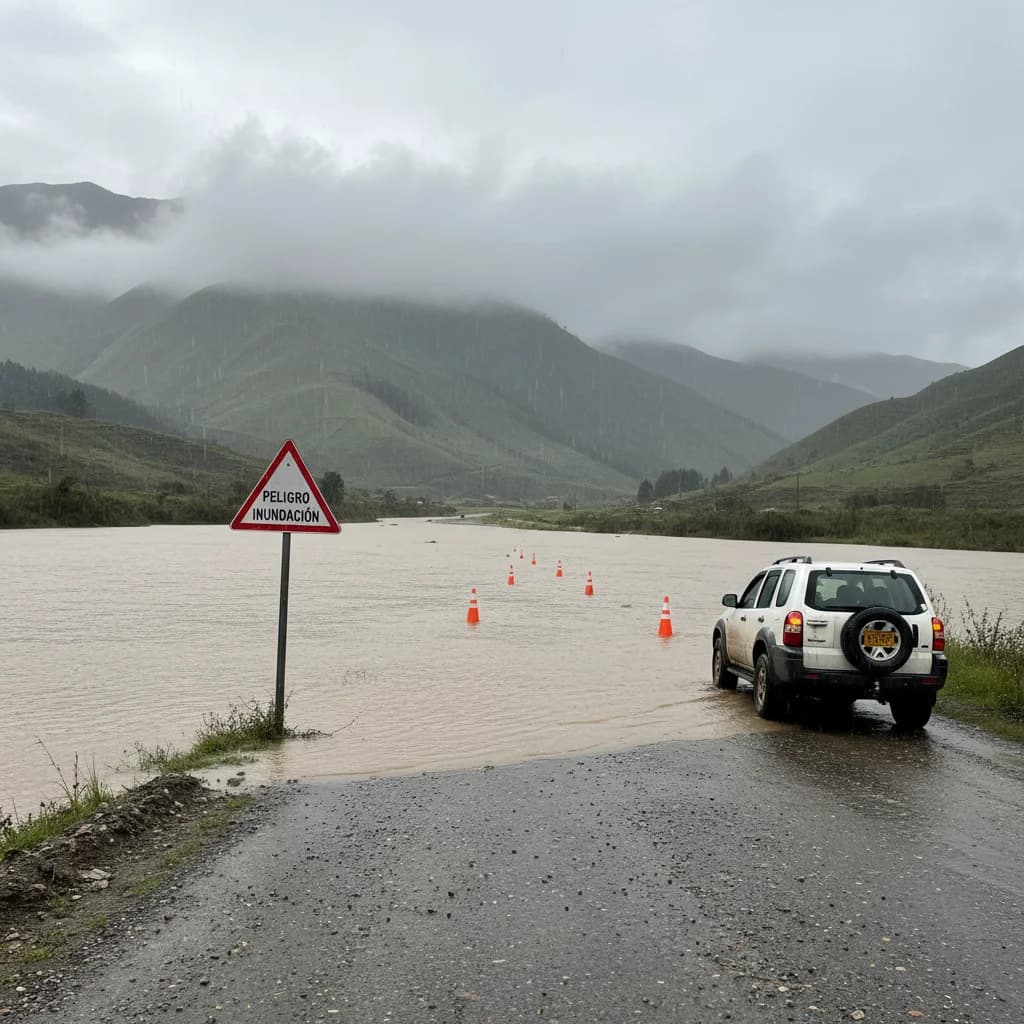
Weather officials say Ecuador's recent intense rains should begin easing nationally from Thursday, with the Coast seeing reduced intensity and the Sierra seeing more solar radiation. Guayaquil recorded 90-100 millimeters of rain in two days, roughly double the normal amount for the month.
Ecuador is checking gas stations, terminals and distribution centers before fuel prices update on June 12. Officials say gasoline extra, ecopaís, diesel and super are being dispatched normally, while the Esmeraldas refinery has recovered to about 90% of technical capacity.
Ecuador launched a national policy for 2026-2035 to reduce adolescent pregnancy, keep girls in school and coordinate health, education and social services. The country records more than 32,200 births each year among girls and adolescents ages 10-19.
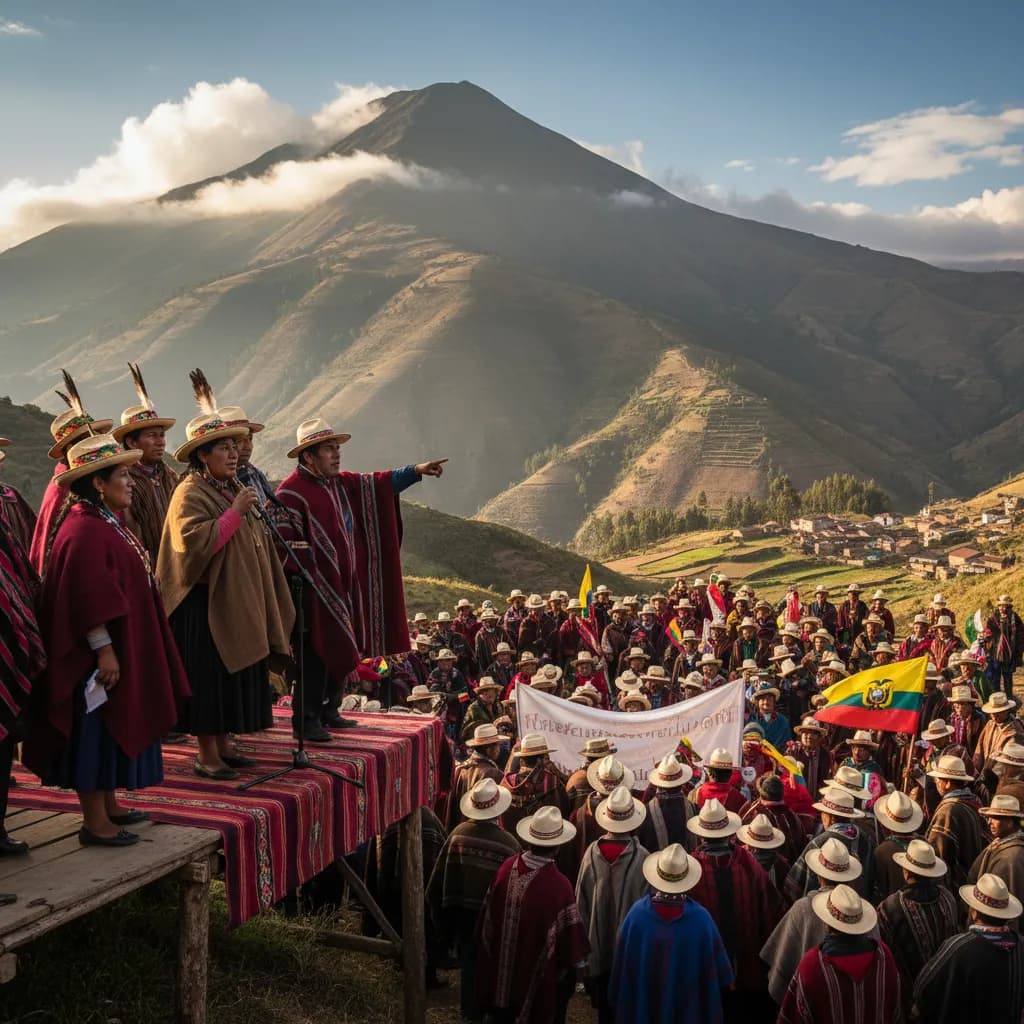
A group seeking a recall process against President Daniel Noboa asked Ecuador's electoral authority for signature forms on June 9. The process would require support from 15% of the electoral roll, representing more than two million signatures nationwide.
ANT says Ecuador's new Tercera Placa system will re-register the entire vehicle fleet from zero and replace roughly 200 municipal databases with one national platform. Registration is expected to begin before the end of 2026.
Ecuador is pushing measles vaccination for children with delayed doses after regional cases increased. PAHO has recorded 20,332 confirmed cases in 16 countries and territories in the Americas, while Peru has more than 500 confirmed cases.