Ecuador Has Closed All But Two Land Border Crossings — What Expats Need to Know

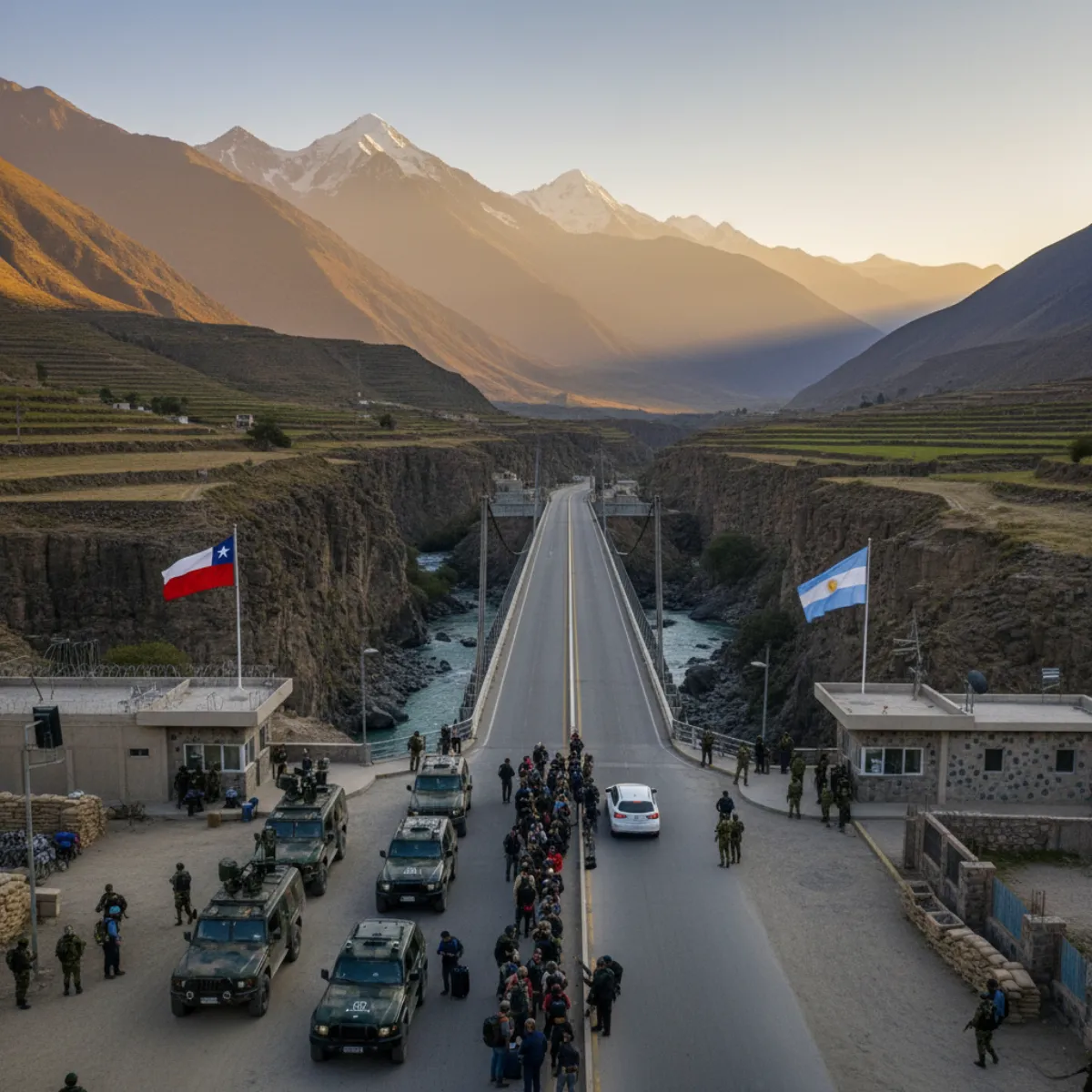
If you're planning a land border crossing — for a visa run, a trip to Peru, or anything else — the rules have changed.
What Happened
On December 24, 2025, the Ecuadorian government closed all international land border crossings except two:
- Rumichaca (Carchi province) — the main crossing into Colombia, operating through the Centro Nacional de Atención Fronteriza (CENAF)
- Huaquillas (El Oro province) — the main crossing into Peru, operating through the Centro Binacional de Atención Fronteriza (CEBAF)
All other crossings have been physically barricaded. This is not a temporary holiday closure — there is no announced date for reopening.
Which Crossings Are Closed
Prior to the restriction, Ecuador maintained nine controlled border crossings with police, customs, and immigration services. The following are now closed:
Colombia border (Carchi & Esmeraldas provinces):
- Chiles–Tufiño bridge
- Urbina–Santa Fe bridge
- El Carmelo–La Victoria bridge
Peru border (Loja & El Oro provinces):
- Multiple secondary crossings in Macará, Zapotillo, and Zumba cantons
The government has stated the closures are based on "technical and intelligence analyses" and are designed to close routes used by criminal economies, prevent irregular crossings, and protect citizens from crimes including human trafficking, smuggling, illegal mining, extortion, and contract killings.
Why Now
The timing reflects Ecuador's escalating security crisis:
- Ecuador recorded over 5,268 homicides in the first seven months of 2025 alone — approximately 40% higher than the same period in 2024
- The country sits between the world's two largest cocaine-producing nations, sharing 370 miles of border with Colombia and nearly 930 miles with Peru
- The Armed Forces have expanded surveillance operations in Carchi, Esmeraldas, and Imbabura provinces — key trafficking corridors along the northern border
Impact on Border Communities
The closures have devastated communities that depend on cross-border commerce:
- The president of GAD Parroquial El Carmelo (a local parish government) warned: "Milk, potatoes, perishable products — if this crossing stays closed, we won't be able to sell them"
- Public transportation routes between Loja and Piura (Peru) have been suspended
- Families with relatives across the border now face hours-long detours to reach the authorized crossings
- Tourism operators say they received no explanation that justified the total closure
Critics note that with over 250 kilometers of border territory and at least 70 known informal crossing points, closing official crossings may simply push more traffic to unmonitored routes — potentially making the security situation worse.
International Reaction
Colombia was informed of the "unilateral decision" through diplomatic channels and confirmed that Rumichaca continues operating normally. The closure has contributed to already strained relations between the two countries, which are also in the midst of a tariff war that has collapsed bilateral trade by up to 99% at the main border crossing.
Peru has not publicly objected, though the closure adds pressure to communities in the border zone of Piura department.
What This Means for Expats
Confused about which visa fits your situation? Book a 30-minute consultation with Chip and leave with a clear plan.
Book a consultation- Visa runs to Colombia or Peru: You must use Rumichaca (north) or Huaquillas (south) — no exceptions. Plan travel time accordingly, especially if you previously used a secondary crossing
- Rumichaca operates 24 hours. Migration services at both authorized crossings are staffed around the clock, including holidays
- Driving across: If you're taking a vehicle, expect security checkpoints along the approach routes. Have your passport, visa, vehicle registration (matrícula), and SOAT (mandatory vehicle insurance) ready
- Flying may be easier. For many expats, flying Quito–Bogotá or Guayaquil–Lima is now faster and less stressful than navigating the restricted land border, especially given the security situation in border provinces
- No reopening timeline. The government has not announced when secondary crossings might reopen. Assume this is the new normal until further notice
- Monitor updates through the Cancillería (Ministry of Foreign Affairs) and the U.S. Embassy Quito at ec.usembassy.gov
Sources: Rio Times, Cuenca Dispatch, UPI, France 24, Diario Crónica, CuencaHighLife
More in Safety
View all →Ecuador Braces for Intensifying El Niño Rains from November 2026, Guayaquil Records Historic September Rainfall
September 15, 2026
Montañita Shooting Leaves One Dead, Four Foreigners Injured Amidst State of Exception in Santa Elena
September 14, 2026
New Curfew Imposed in Four Ecuadorian Provinces: No Safe-Conducts Issued
September 12, 2026
Keep practical Ecuador coverage free to read.
Reader support helps fund source monitoring, translation, editing, publishing, and national coverage for expats across Ecuador.
Need help with your Ecuador visa? EcuaPass handles the paperwork for you. Learn more →
Comments
No comments yet. Be the first to share your thoughts!