Ecuador and Colombia Are in a Trade War: What Expats Need to Know About Tariffs, Electricity, and Rising Prices

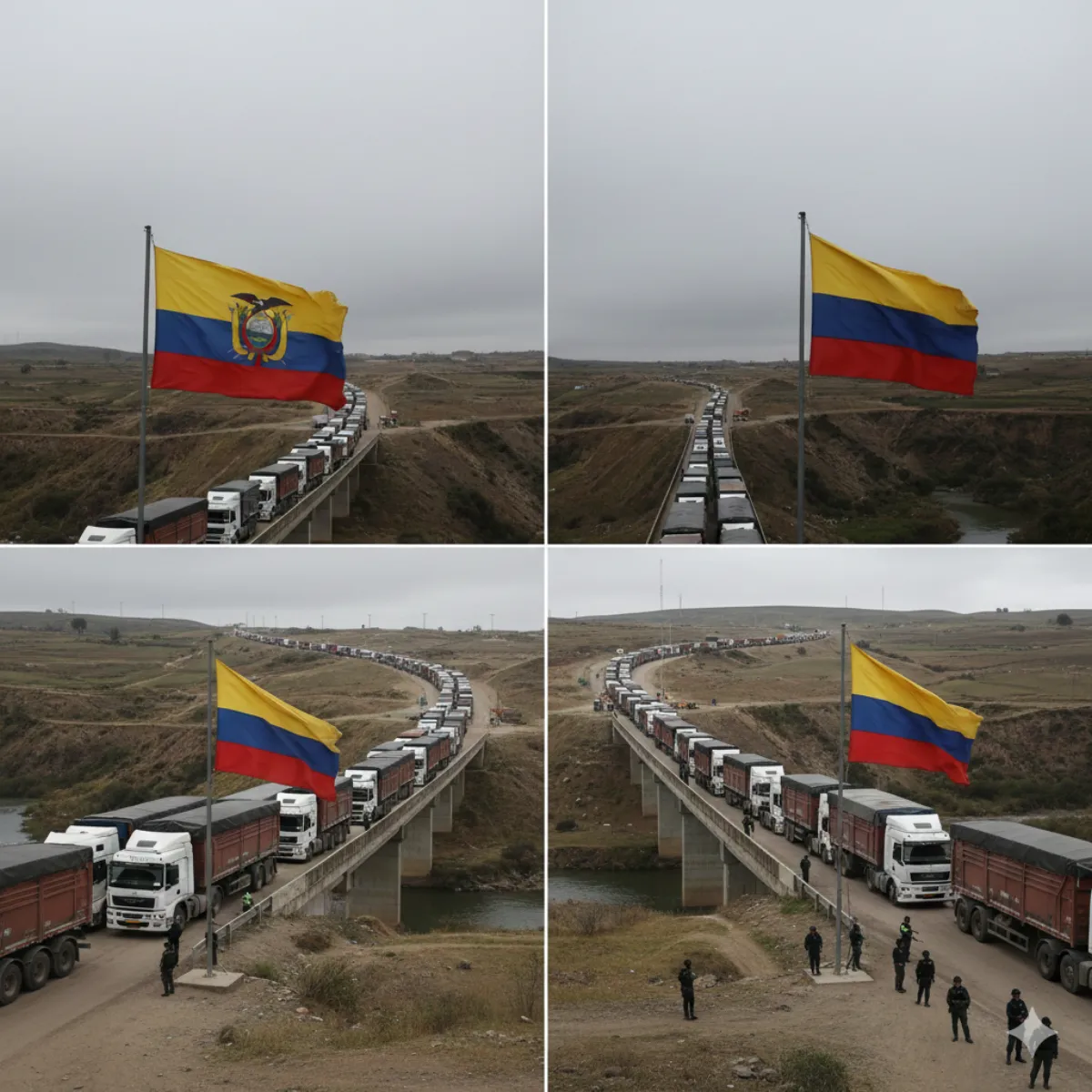
If you've been following the headlines, you know Ecuador and Colombia are in the middle of an increasingly bitter trade dispute. If you haven't been following the headlines, here's the short version: both countries have slapped 30% tariffs on each other's goods, Colombia has cut off electricity sales to Ecuador, and truckers are blocking border crossings in protest.
This isn't abstract geopolitics. It has the potential to affect your grocery bill, your electricity, and the broader economic stability of the country you live in.
How We Got Here
Speaking from the World Economic Forum in Davos in late January, President Daniel Noboa announced a 30% tariff on Colombian imports, effective February 1. His stated justification: Colombia isn't doing enough to combat drug trafficking and organized crime along the shared border.
"We have made genuine efforts to cooperate with Colombia, even while facing a trade deficit exceeding $1 billion annually," Noboa wrote on social media. "But while we have insisted on dialogue, our military continues to confront criminal groups linked to drug trafficking at the border without any cooperation from Colombia."
Colombia hit back within days. President Gustavo Petro's government imposed its own 30% tariff on a group of Ecuadorian products—initially covering 20 categories worth approximately $250 million—with officials noting the possibility of extending the measure further.
Then came the bigger punch: Colombia announced an indefinite suspension of all electricity exports to Ecuador.
Why Electricity Matters Most
This is the part that should get your attention.
During Ecuador's devastating drought in late 2024, Colombian electricity imports provided a critical lifeline—approximately 450 megawatts, or roughly 90% of Colombia's exportable power capacity. If you were in Ecuador during the rolling blackouts of up to 14 hours per day, you remember how bad it got.
Colombia framed the suspension as a "preventive measure" for its own energy sovereignty. Energy Minister Edwin Palma condemned Ecuador's tariffs as "economic aggression" that undermines regional integration.
Ecuador's rainy season is currently underway, which means hydroelectric reservoirs are filling and the immediate risk is lower than it would be during dry months. But if this dispute drags into September or October—when the dry season returns—the equation changes dramatically.
The Oil Pipeline Escalation
Ecuador also ratcheted up the pressure on Colombia's oil industry. The crude transport tariff for the SOTE pipeline—used by Colombia's state oil company Ecopetrol and private firms to export oil through Ecuador—jumped from $3 to $30 per barrel. That's a 900% increase.
Environment and Energy Minister Inés Manzano confirmed the hike, which adds significant cost to Colombian oil exports routed through Ecuadorian infrastructure.
The Numbers Behind the Dispute
The trade relationship between the two countries was worth approximately $2.3 billion last year, according to Colombia's statistics agency. The balance heavily favors Colombia:
- Colombia exported to Ecuador: ~$1.7 billion
- Ecuador exported to Colombia: ~$852 million
- Ecuador's trade deficit with Colombia: ~$850 million
Analysts note that while the tariff war hurts both sides, Ecuador may be more vulnerable. The country's dollarized economy can't absorb shocks through currency devaluation the way Colombia's can. And Ecuador depends on Colombian imports for a range of everyday goods.
What's Happening at the Border
On February 3, Colombian and Ecuadorian truckers and merchants gathered at border crossings to protest the tariffs. Edison Mena, president of a Colombian truckers association in the border city of Ipiales, said 38% of his city's economy depends on commerce with Ecuador.
Oliva Diazgranados, executive director of the Colombian-Ecuadorian Chamber of Commerce, warned: "This situation directly impacts corporate development and sales projections; it may even threaten jobs."
The Trump Factor
In a diplomatic twist, U.S. President Donald Trump has reportedly offered to mediate the dispute. Noboa, widely seen as a close political ally of Trump, may have calculated that Washington's backing gives Ecuador leverage in the standoff. Colombian President Petro met with Trump and described the conversation as friendly, with a bilateral agenda floated.
What This Means for Expats
Confused about which visa fits your situation? Book a 30-minute consultation with Chip and leave with a clear plan.
Book a consultationGrocery prices
Colombian imports include food products, manufactured goods, and industrial inputs. A 30% tariff will push prices up on anything sourced from across the northern border. Watch for increases at the supermarket on processed foods, cleaning products, and certain produce.
Electricity
The risk is seasonal. Right now, with the rainy season filling reservoirs, Ecuador can manage. But if the dispute isn't resolved before the dry months, the 2024 blackout scenario could repeat. Keep your flashlights and power banks charged—just in case.
Fuel and transport
Higher pipeline tariffs could ripple through fuel costs and, by extension, transportation and logistics pricing.
The broader economy
Ecuador's economy is already navigating a tight fiscal year with rising debt obligations. A prolonged trade war adds another source of stress.
Where Things Stand Now
- Reciprocal 30% tariffs: In effect since February 1
- Colombian electricity exports: Suspended indefinitely
- Oil pipeline tariff: Up 900% ($3 → $30/barrel)
- Border protests: Ongoing
- Diplomatic channel: Open but unresolved; foreign minister meeting possible
- Trump mediation: Offered, not yet formalized
Colombia's Commerce Minister Diana Marcela Morales has described the tariffs as "temporary" and said the government remains open to a negotiated solution. Whether that diplomacy moves fast enough to prevent real economic damage remains to be seen.
Sources: Al Jazeera, ABC News, The Washington Post, Yahoo Finance, The City Paper Bogotá
More in Economy
View all →Ecuador Businesses Asked to Use Generators Voluntarily as the Dry Season Begins
September 10, 2026
Store-Credit Reporting Gaps Put the Paperwork Behind Installment Purchases in Focus
September 10, 2026
Study Finds the Widest Financial Gaps Among Women, Young People, and Rural Ecuadorians
September 8, 2026
Keep practical Ecuador coverage free to read.
Reader support helps fund source monitoring, translation, editing, publishing, and national coverage for expats across Ecuador.
Need help with your Ecuador visa? EcuaPass handles the paperwork for you. Learn more →
Comments
No comments yet. Be the first to share your thoughts!


