Daily coverage from across the country, written for the expat community
Results for “mobility”Clear
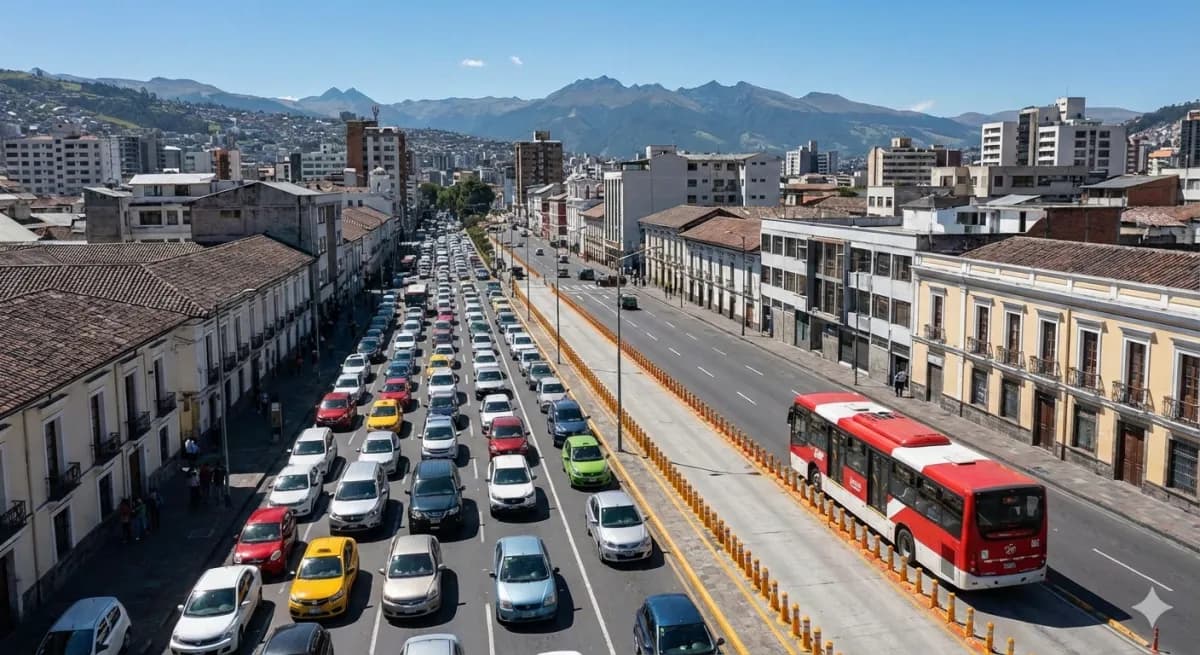
Quito reactivated pico y placa on June 29 for cars and motorcycles inside the city’s urban restriction area. Drivers should check the last digit of their plate before heading into the capital.
A strong storm in Santo Domingo on the night of June 25 caused flooded homes and damage to educational and sports infrastructure. Emergency calls came after 23:00, with responders mobilized through ECU 911.
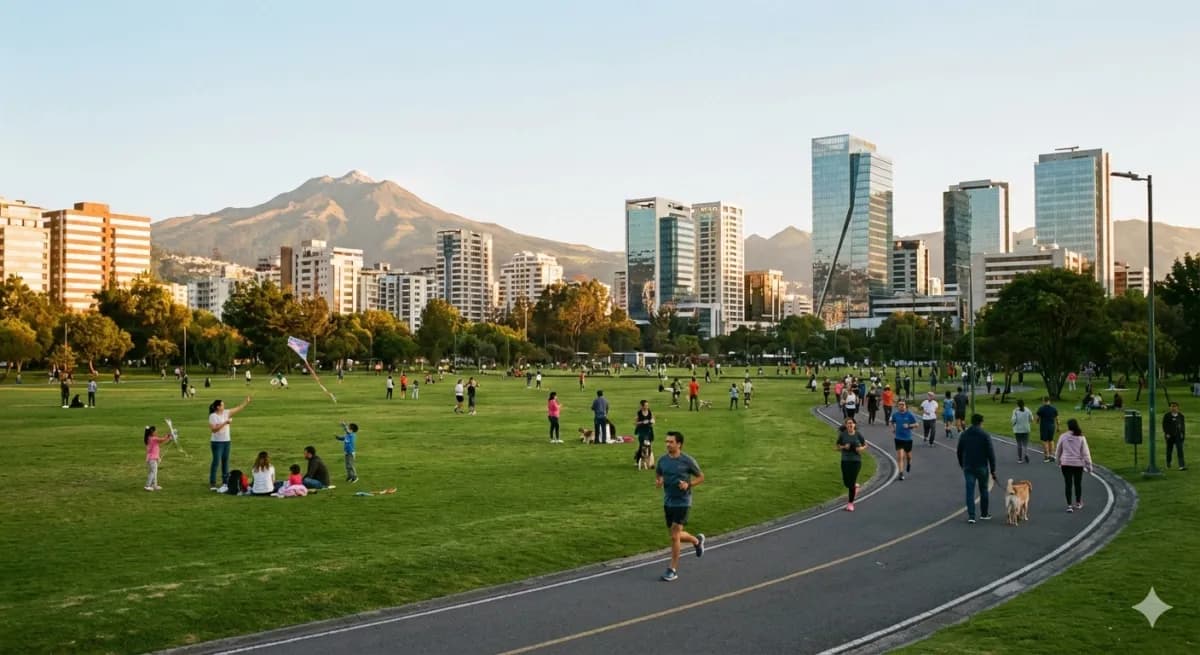
Quito’s La Carolina and surrounding hypercenter remain among the city’s most demanded real-estate zones, with small units of 25 to 35 square meters in high demand. Market sources cite prices above $2,000 per square meter in high-end projects.
Public transport is still Quito’s main way to move, but new data show riders shifting toward private options. Around 64% of Quito residents still use public transport, while apps, taxis and motorcycles are gaining ground because of safety, comfort and service concerns.
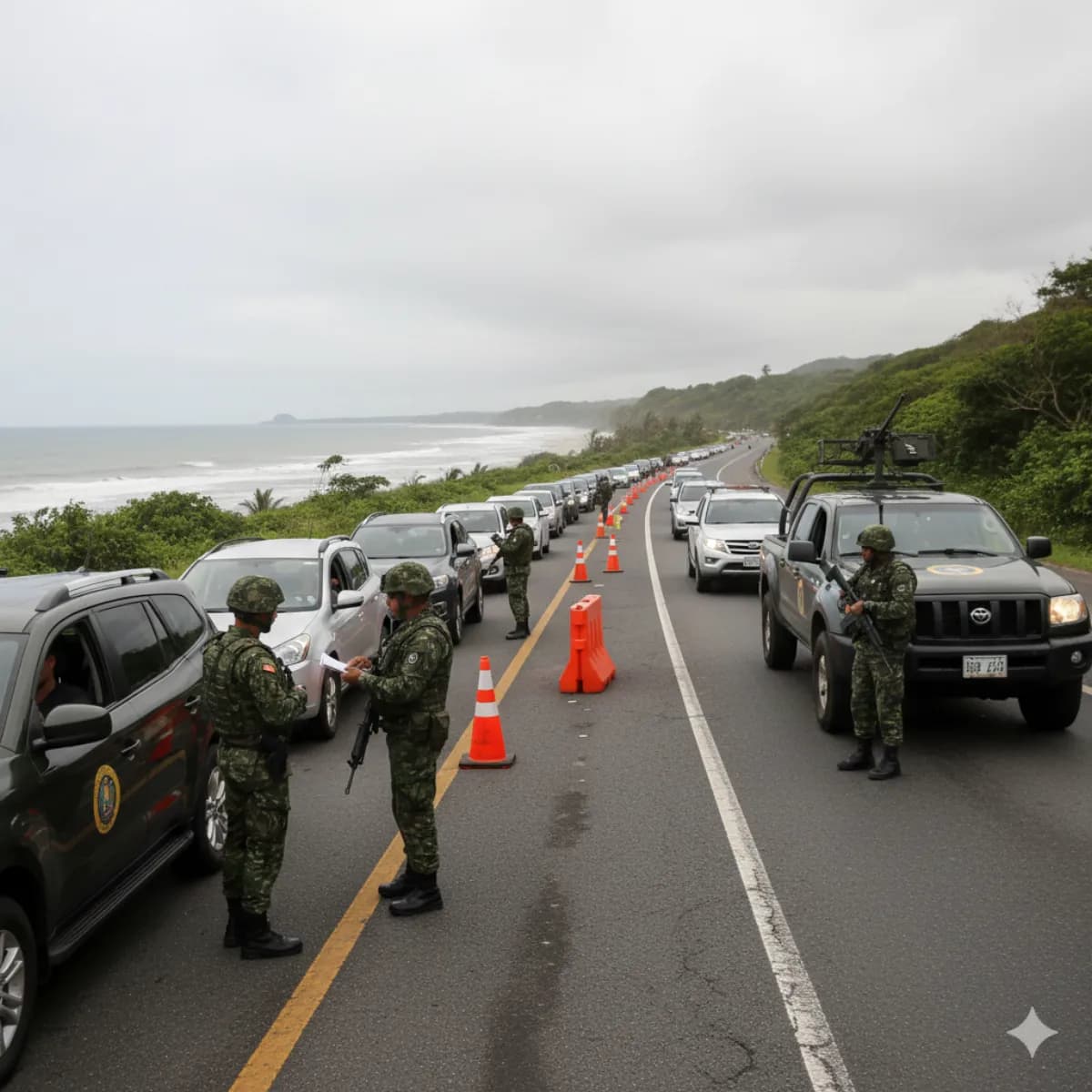
Ecuador’s new state of exception applies for 60 days in ten provinces and three cantons. There is no curfew for now, but the decree allows temporary limits on home and correspondence protections while security forces operate in the covered areas.
A heavy downpour on Thursday, June 11, flooded streets in Ibarra and Atuntaqui, with water rising above half a meter in some areas. In Cotacachi, farmers in Peribuela reported damaged corn and fruit crops after the storm and hail.
Quito drivers can request compensation when a vehicle is damaged by potholes or municipal work, using an EPMMOP process that requires photos, a traffic report and repair documentation. The city’s pothole damage is estimated at $20 million to $30 million a year.
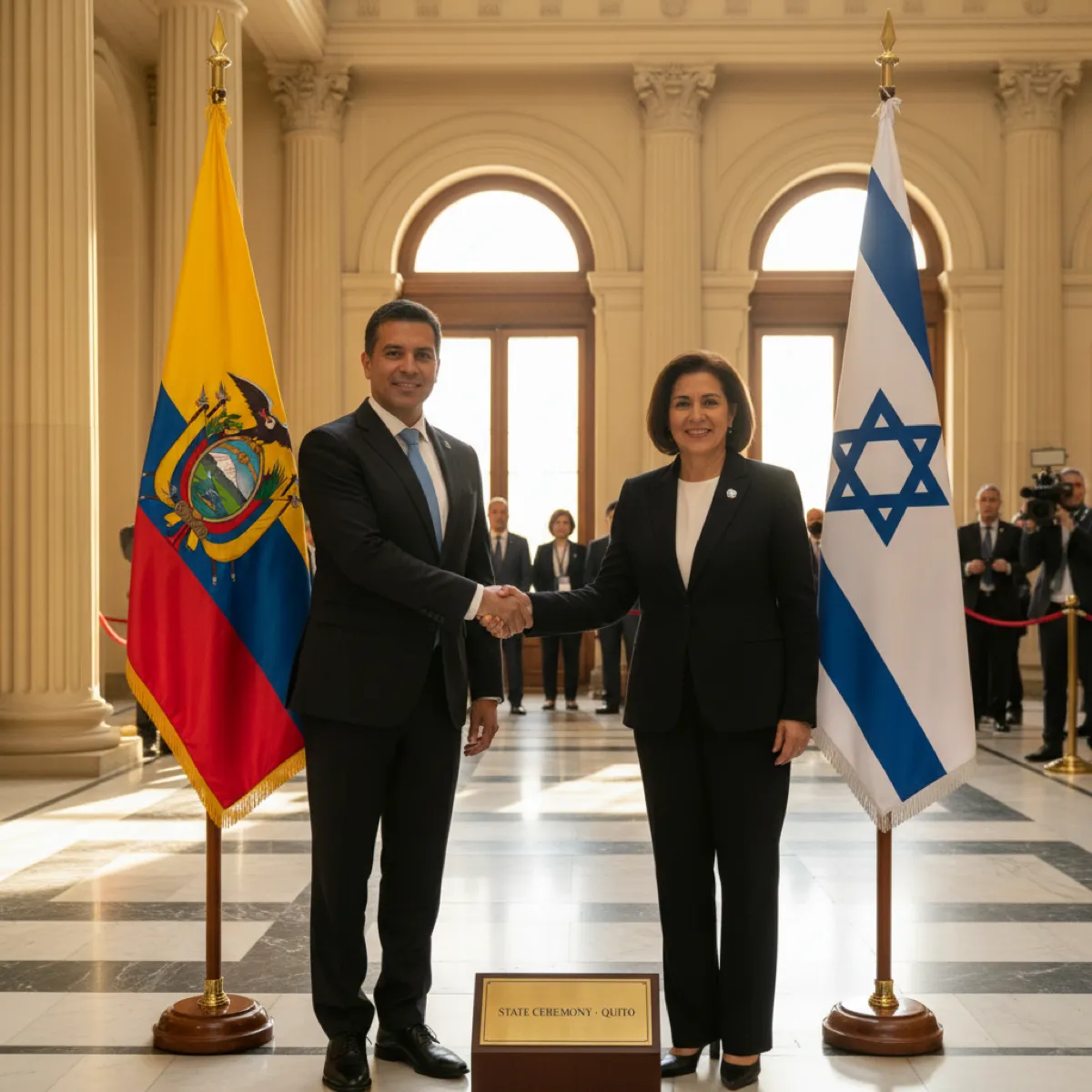
President Daniel Noboa named Roberto Kury as Ecuador's new foreign minister after Gabriela Sommerfeld resigned for personal and health reasons. The change matters to expats because the Foreign Ministry oversees mobility, consular services, visas, and Ecuador's international agenda.
Ambato bus operators agreed to resume normal service on June 5 after four days of reduced hours. The agreement includes $700 in fuel support for transport operators over six months, pending a June 8 council session.
Quito's Mobility Commission begins debate on a bus-fare ordinance that would set a 40-cent urban fare and 45-cent fare for electric or low-emission buses. The city's prior agreement keeps the 35-cent fare through 2026 with municipal compensation to operators.
El Universo reports Ambato urban and rural transport operators restricted service on June 1, working only from 08:00 to 14:00 while seeking a fare adjustment. The current urban fare is 30 cents.
El Universo reports Ecuador's Health Ministry will run a national measles vaccination campaign on May 30 and 31 in all 24 provinces. Brigades will operate in high-traffic places including markets, bus terminals, airports, plazas, malls and outside schools.