Daily coverage from across the country, written for the expat community
Results for “jobs”Clear
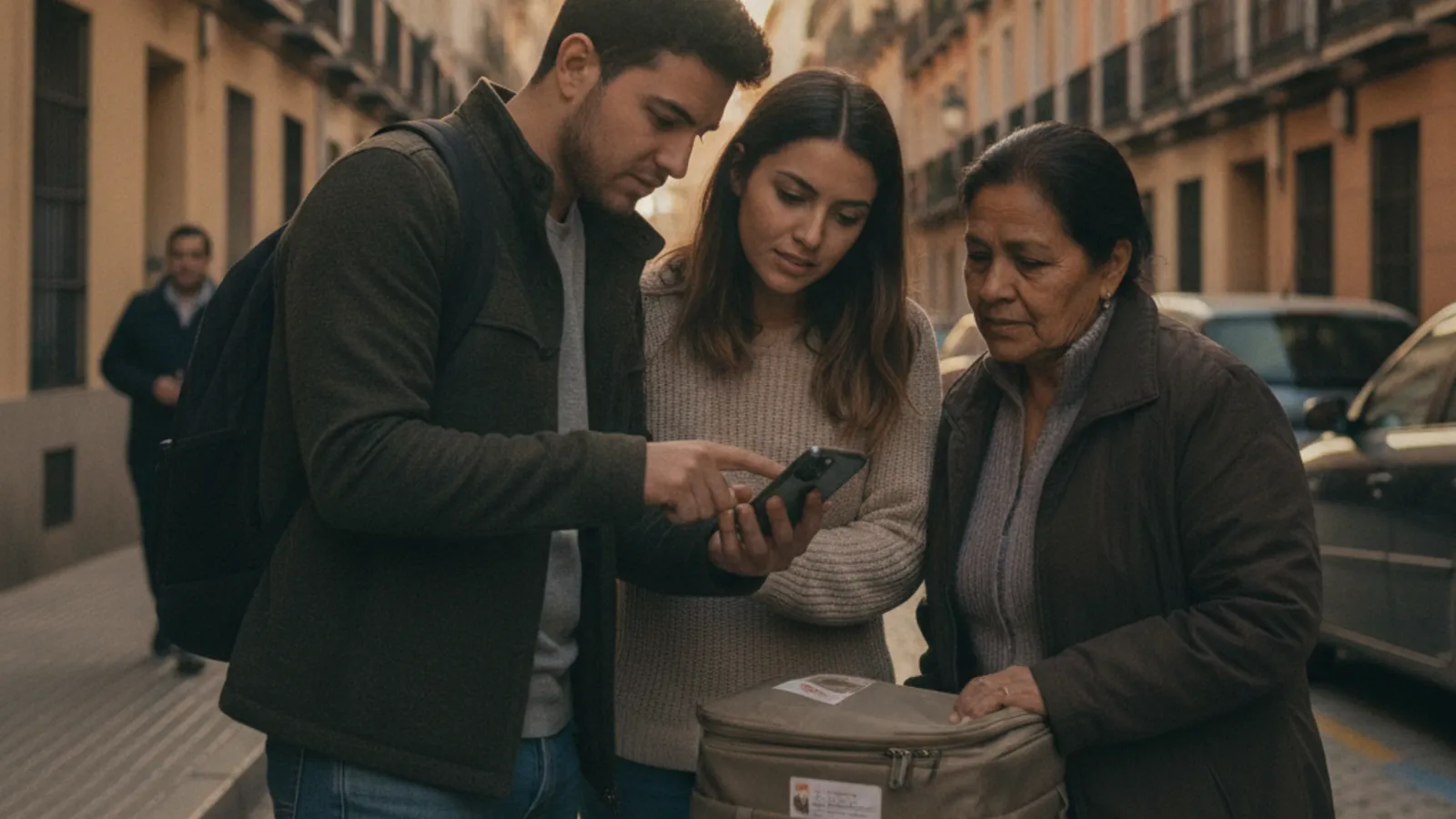
Spain’s housing prices rose about 14% in the first quarter of 2026, and Ecuadorian migrants are concentrated in several of the pressured markets. Madrid alone has around 130,000 Ecuadorian residents.
Ecuador’s unemployment rate fell to 3.1% in May 2026, while adequate employment stood at 36.6% and 52.8% of employed people were in the informal sector.
A three-day virtual job fair in Ecuador will run from June 18 to June 20, 2026, with 1,050 vacancies across more than 20 participating companies. The fair includes roles in commercial, financial, accounting, technical, administrative, driving, assistant, operations and intern profiles.
SECAP has opened 30,000 free virtual course spots through the Compromiso por el Empleo program. Courses run 60 to 90 hours and cover areas like e-commerce, web programming, gastronomy, computer maintenance, basic electricity and auto mechanics.
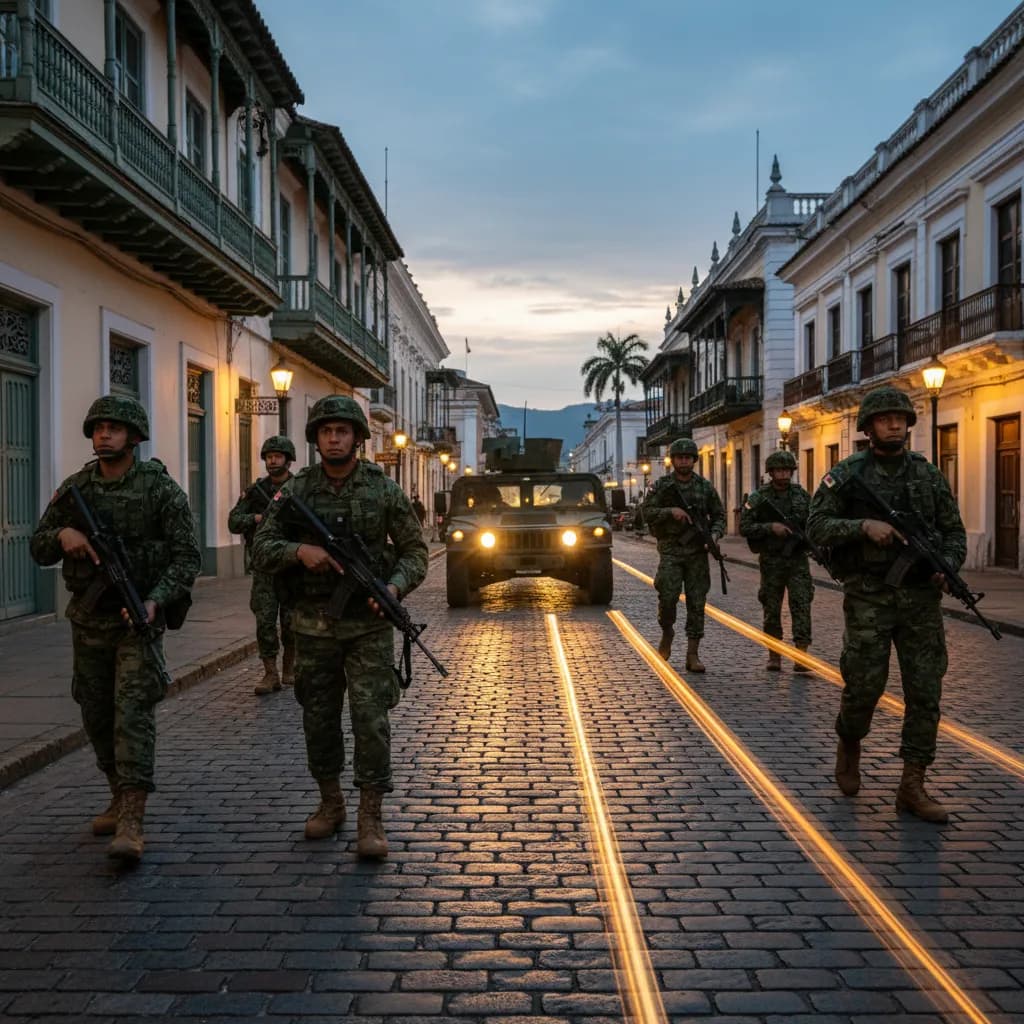
Expreso reports that Ecuador's 2026 curfews have accumulated 30 days of restrictions and affected at least 120,000 businesses. One economist estimated losses between USD 16 million and USD 32 million, with the hardest hit in nightlife, restaurants, logistics and small businesses.
The Cangrejos project, ranked 13th among the world's largest undeveloped gold deposits, gets a 26-year exploitation contract. Chinese-backed Odin Mining will invest $1.6 billion and generate 1,168 jobs. The government expects $6 billion in total revenue.
The IMF raised its 2026 GDP growth projection for Ecuador from 2% to 2.5% in the latest World Economic Outlook, presented at the Washington spring meetings. That puts Ecuador above the 2.3% South American average. For context, Ecuador posted 3.7% growth in 2025.
President Noboa said on April 13 that he has "no great hope" that Colombian President Gustavo Petro will change course on border security or commercial reciprocity. Ecuador will wait for Colombia's next administration before attempting a long-term solution. The trade war continues.
The Ministry of Education has opened more than 2,000 teaching vacancies across Ecuador with applications running exclusively online through the official portal. For expats with teaching credentials or interest in Ecuador's education system, this is a rare window into public sector employment.
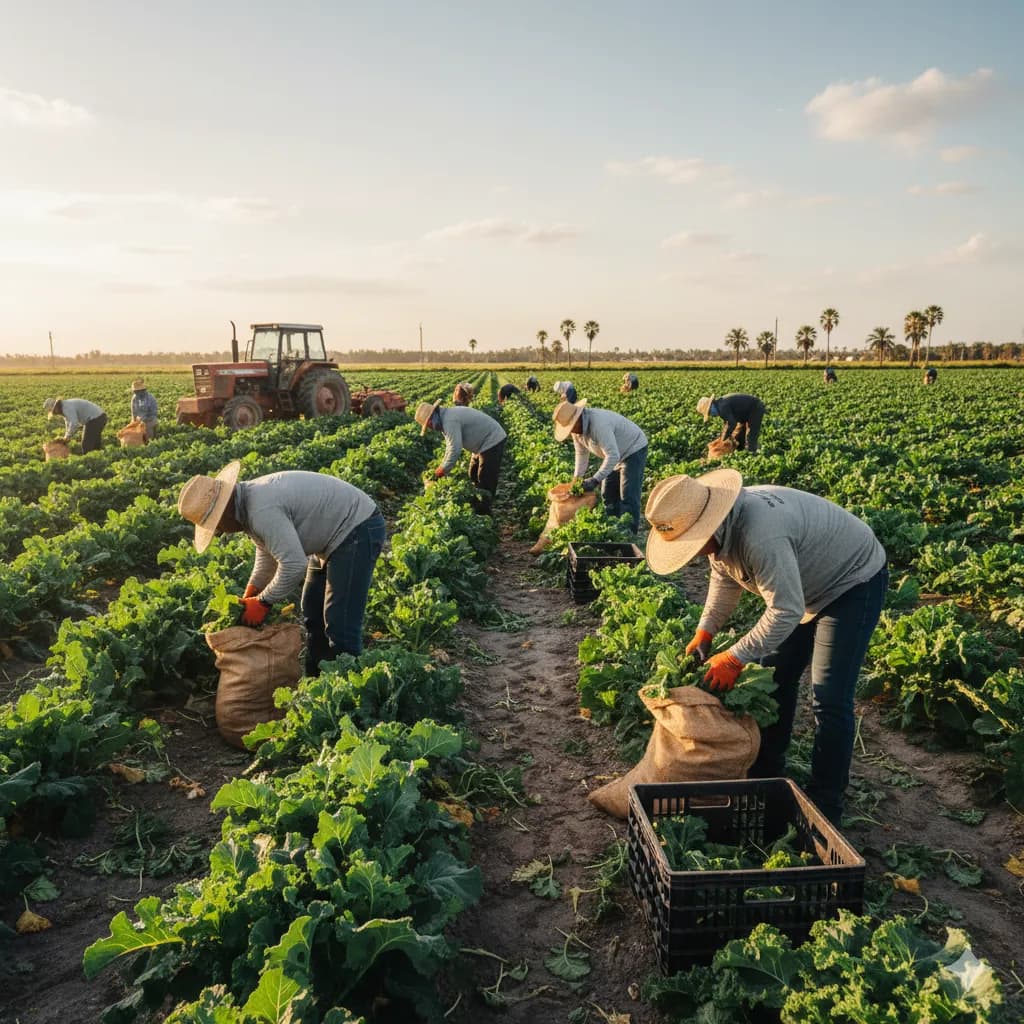
The United States and Ecuador have finalized a reciprocal trade agreement that eliminates a 15% surcharge on $2.8 billion in non-oil Ecuadorian exports and opens Ecuador's agricultural market to US soybeans, dairy, beef, and poultry. Most-favored-nation treatment takes effect by August 2026.
The European Commission concluded negotiations on a Sustainable Investment Facilitation Agreement (SIFA) with Ecuador -- the EU's first such deal with any Latin American country. The agreement focuses on streamlining investment authorizations, improving transparency, and includes a first-of-its-kind annex on sustainable energy and raw materials.
The UAE and Ecuador signed a Comprehensive Economic Partnership Agreement (CEPA) during the Crown Prince of Abu Dhabi's visit, unlocking over $3 billion in investment across clean energy, digital infrastructure, mining, logistics, and agriculture. Ecuador becomes the fourth Latin American country with a UAE trade deal.