Daily coverage from across the country, written for the expat community
Results for “coffee”Clear
Resolution 2582 declares both countries' tariffs incompatible with the Cartagena Agreement. But with rates still at 75%, business leaders on both sides say trade remains frozen.
Ecuador's Minister of Environment and Energy, Inés Manzano, confirmed scheduled power interruptions in Guayas province on two additional Sundays, running from 5:00 AM to 8:00 AM, for maintenance work at the Dos Cerritos substation. Affected areas include Guayaquil, Samborondón, Santa Lucía, Pedro Carbo, and Daule.
Ecuador has slapped 50% tariffs on Colombian imports, threatened to cut electricity sales, and hiked pipeline transit fees by 900%. With $2.8 billion in bilateral trade at risk, Colombian products are getting more expensive and de-escalation talks are just beginning.
Ecuador's Constitutional Court declared the SECA trade agreement with South Korea compliant on March 19. The deal grants tariff-free access for 98.8% of Ecuadorian products and covers investment, technology transfer, energy, and infrastructure cooperation.
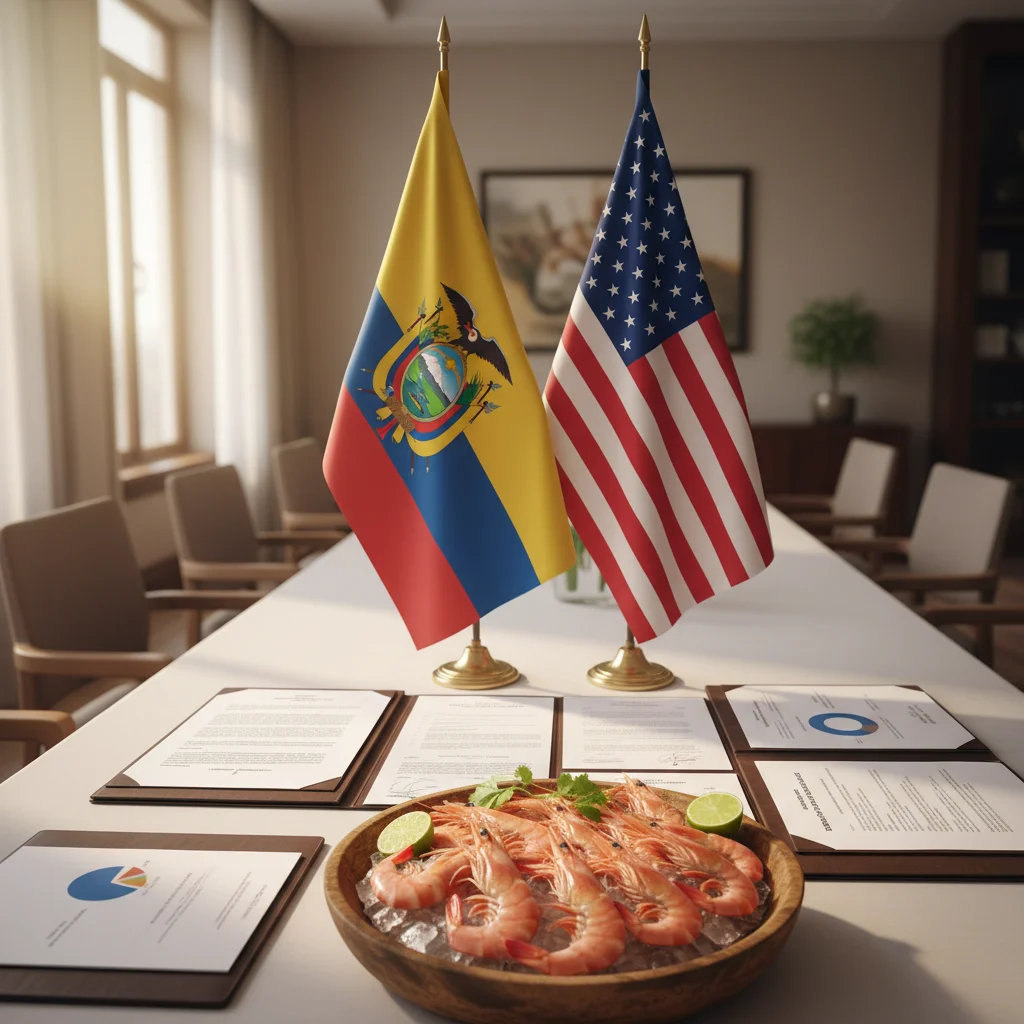
Ecuador and the United States signed a bilateral trade agreement on March 18 granting tariff-free access for 53% of Ecuador's non-oil exports, worth $2.786 billion. The deal covers 1,673 tariff subheadings including bananas, shrimp, cocoa, coffee, and flowers.
Ecuador has signed a comprehensive trade agreement with the United Arab Emirates worth an estimated $3 billion, eliminating tariffs on over 96% of goods traded between the two countries. The deal opens Middle Eastern markets to Ecuadorian agriculture and positions Ecuador as a gateway to Latin America for Gulf investors.
A single expat can live comfortably in Ecuador for $1,200 to $1,500 per month, while couples typically spend $1,800 to $2,500. Here is a detailed breakdown of what things actually cost in 2026, from rent and groceries to healthcare and transportation.
The United States and Ecuador formally signed their Agreement on Reciprocal Trade on March 13, 2026, cutting tariffs on 53% of non-oil exports worth $2.8 billion. Key sectors including bananas, shrimp, cocoa, coffee, and flowers get preferential access, while Ecuador eliminates its price band system on U.S. agricultural imports.
Cuenca's creative community just made history. 'Chulla Vida,' a seven-episode comedy miniseries produced entirely in Cuenca with a 69-person local crew and filmed across 42 iconic city locations, premiered on February 19 on Ecuador's leading streaming platform Ecuavisa Play.
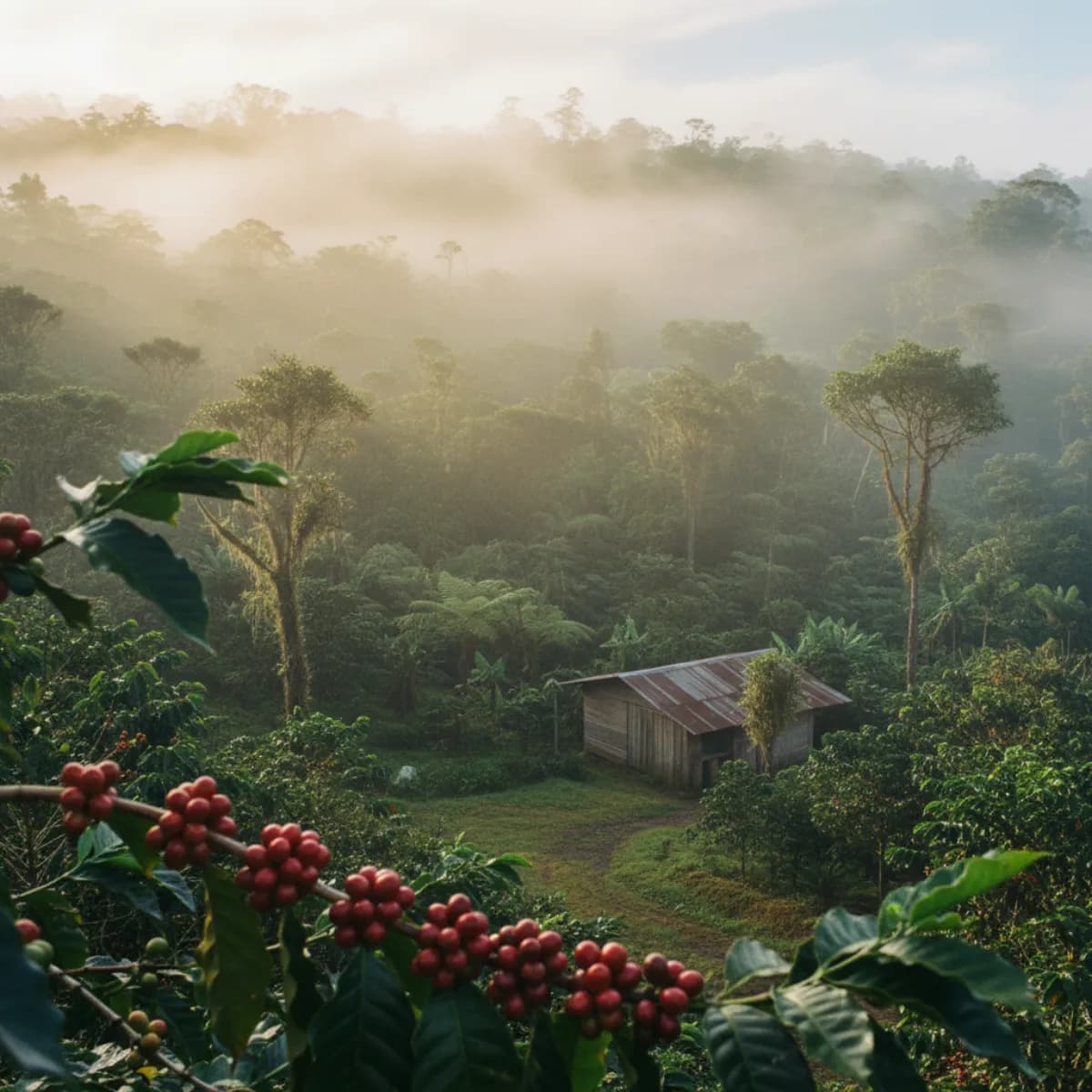
Coffee grown in Quito's UNESCO-designated Chocó Andino Biosphere Reserve is gaining international recognition and finding growing markets in Europe, adding another dimension to Ecuador's agricultural export story.
Ecuador’s annual inflation rate hit a 20-month high in January 2026, driven almost entirely by a 20.79% spike in housing and utility costs after the government ended electricity and diesel subsidies. Food prices are rising too — plantains have roughly doubled, and the basic family basket now costs $822 a month.
Washington and Quito have 'substantially concluded' negotiations on a reciprocal trade agreement set to be signed in coming weeks. But Ecuador's biggest non-oil export to the U.S. — shrimp worth $2 billion a year — may not get the tariff relief the industry needs to survive.