Daily coverage from across the country, written for the expat community
Results for “Mazar”Clear
The incoming Energy Minister inherits a five-front crisis: a 900+ MW power generation gap, record electricity demand of 5,374 MW, oil output at its lowest since 2003, and a dormant mining cadastre. Here's what that means for daily life.
Ecuador's strategic Mazar reservoir is sitting at ~2,137 m.s.n.m. — about 61% of stored energy capacity, and 23–28 meters above the same period in 2024. Energy Minister Inés Manzano declared "tenemos agua." Hydroelectric is currently delivering 72.3% of national output. Here's the supply-side picture as the heat wave continues.
Ecuador has slapped 50% tariffs on Colombian imports, threatened to cut electricity sales, and hiked pipeline transit fees by 900%. With $2.8 billion in bilateral trade at risk, Colombian products are getting more expensive and de-escalation talks are just beginning.
Ecuador's state electricity company CELEC has filed a lawsuit in US federal court alleging that Progen, a private contractor, delivered refurbished and non-functional emergency generators under $149 million in contracts while draining the project's bank account to zero. The fraud is directly linked to the 2024 blackout crisis.
Mazar, the critical reservoir feeding Ecuador's largest hydroelectric complex, has fallen to just 22 meters above its operational minimum. With the dry season outlook uncertain, the specter of the 2024 blackouts -- when Ecuadorians lived through 14-hour daily power cuts -- is back on the table.
A U.S. Army Corps of Engineers study warns that Coca River erosion could reach the 1,500 MW Coca Codo Sinclair hydroelectric plant's water intake by 2026. The plant provides roughly one-third of Ecuador's national electricity. Recent rains have improved reservoir levels, and a new 200 MW plant has come online.
After devastating blackouts throughout 2024 and into 2025, Ecuador's electricity outlook is the most optimistic in over a year. Heavy rains have refilled major reservoirs, Mazar dam hit maximum capacity, and a new 200 MW plant is online. But risks remain.
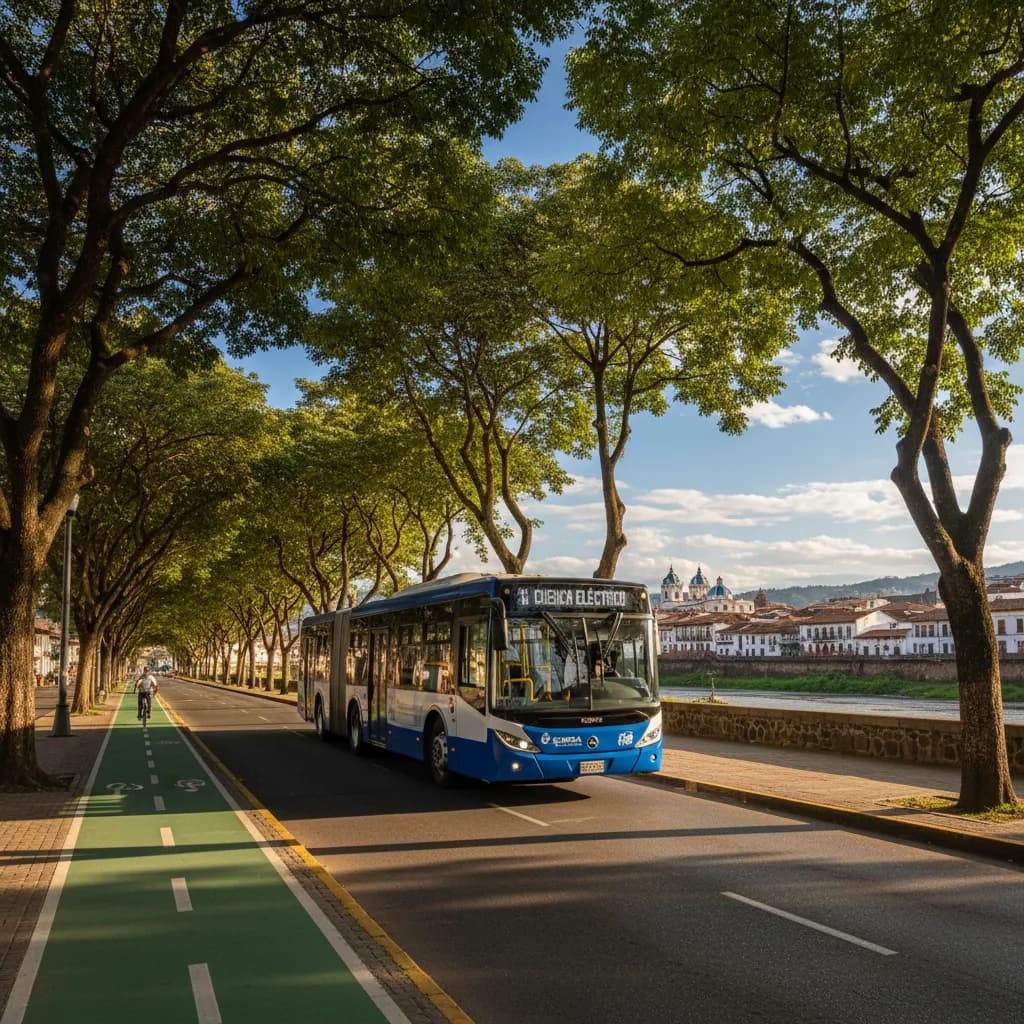
Cuenca has become the third Ecuadorian city to adopt a formal climate action plan, covering electric bus deployment and water source protection. Bloomberg Philanthropies has awarded the city $150,000 for youth-led environmental projects as Cuenca enters 2026 under a dramatically different hydrological reality.
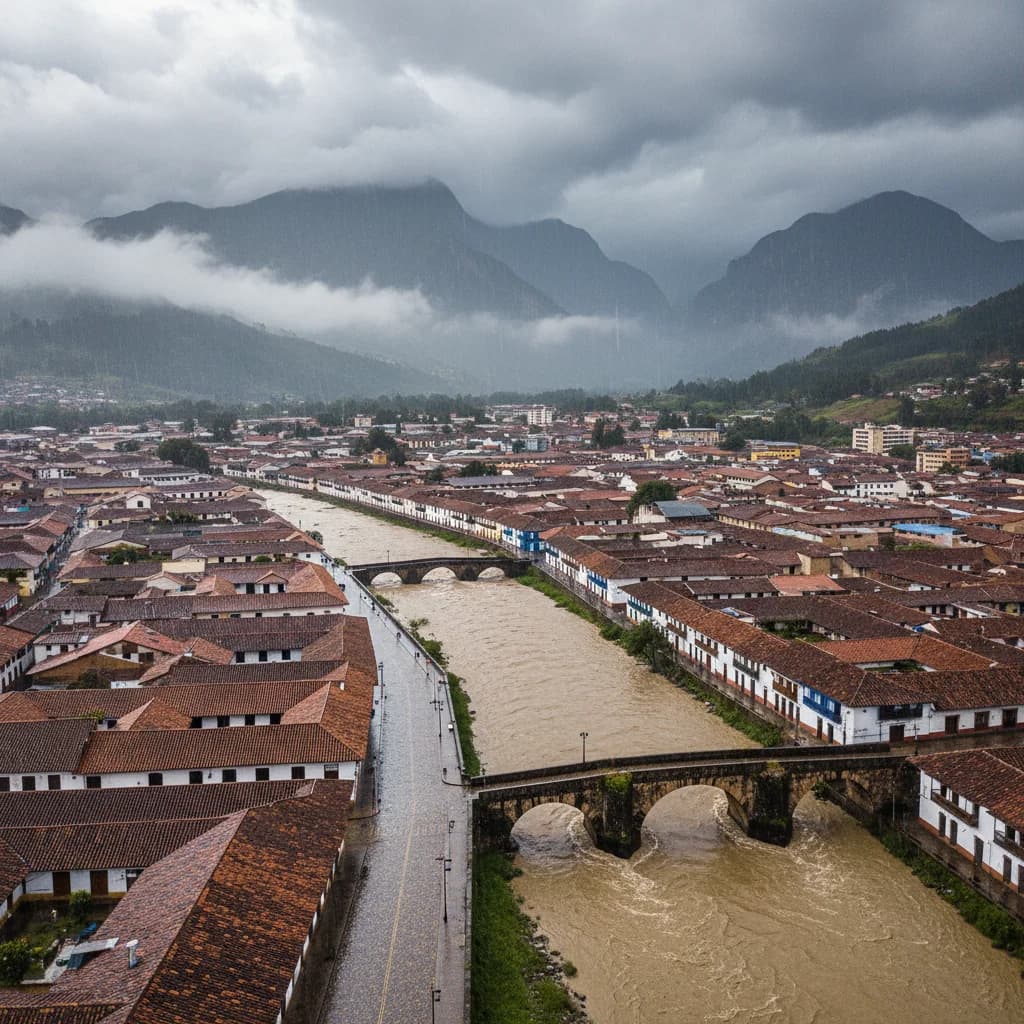
Ecuador is experiencing its wettest February in a decade, with Cuenca recording 150mm of rain — nearly double the historical average. Nationwide, 4,700 people have been impacted, 770 displaced, and the Mazar reservoir is discharging at over-capacity.
Colombia suspended electricity sales to Ecuador and imposed retaliatory tariffs after Ecuador slapped a 30% 'security tariff' on Colombian goods. With Ecuador's grid 79% dependent on hydroelectric power, the loss of Colombian energy imports raises the specter of the devastating 2024 blackouts.