Ecuador Starts Reporting Rules for Property Transactions of USD 10,000 or More


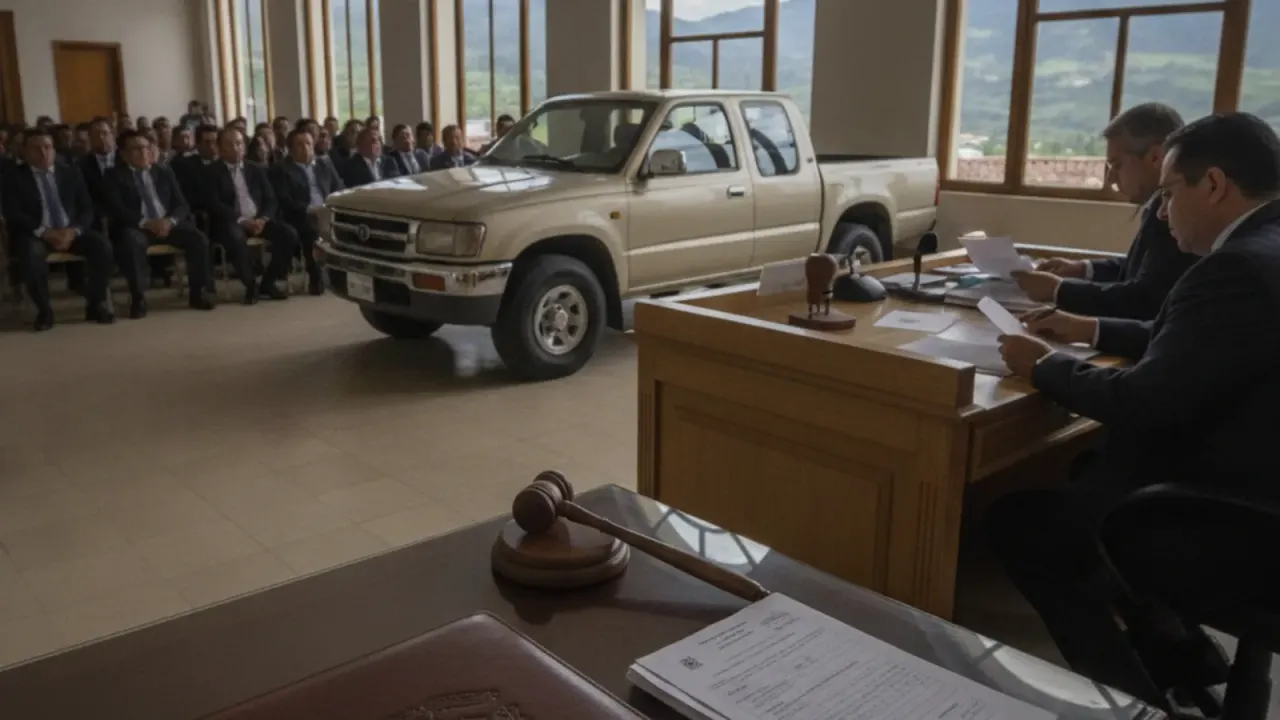
A new Ecuadorian registry rule now requires property and commercial registrars to report qualifying transactions and verify how the underlying obligation was paid.
The rule took effect on August 3, 2026, after publication in the Official Registry. It applies when an individual or accumulated transaction value is equal to or greater than USD 10,000. At registration, the document must identify the form of payment.
What transactions are covered?
The reported list includes promises to enter contracts, sales, financed real-estate transfers, transfers of ownership with a mortgage, mortgages, donations, exchanges, marital-property liquidations, payment in kind, assignments of rights for consideration, loans for use, consortia with a stated value, transfers of quantified credit, and assignments of shares.
For transactions below USD 10,000, registrars will verify that the public instrument contains a declaration previously made before a notary about the truth and origin of the payments.
The payment point
For obligations at or above USD 10,000, the rule says payment or settlement should use payment methods belonging to Ecuador's national financial system or the Popular and Solidarity Economy financial system. The payment method must appear in the act or contract.
The report says the rule is intended to avoid payment with cash, precious stones, or precious metals. That does not mean every property purchase is suddenly impossible in cash; it means the payment trail and stated method now matter directly to the registry process for the covered transactions.
What this means for expats
Confused about which visa fits your situation? Book a 30-minute consultation with Chip and leave with a clear plan.
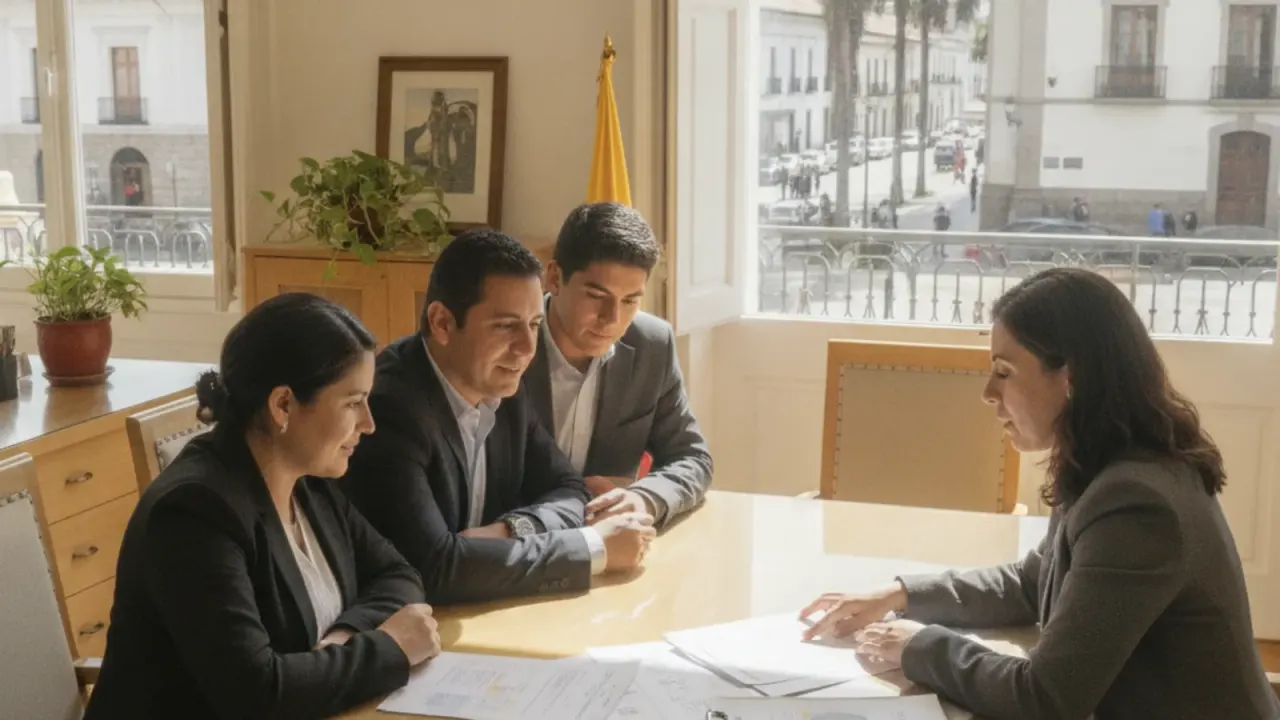
Book a consultationIf you are buying, selling, transferring, or financing property in Ecuador, do not treat the payment method as a last-minute detail. Ask the notary and the registrar what documentation the specific transaction will require before funds move.
Keep bank records, contracts, receipts, and declarations together. The exact treatment of a transaction depends on its legal structure, so this article is a practical summary of the reported rule, not individualized legal advice.
For foreign buyers and sellers, the broader direction is clear: property transactions are being documented with more attention to the origin and form of payment. A clean file is part of closing, not an administrative extra after the deal.
Source: Primicias
A practical closing checklist
Before signing, ask for the transaction to be described clearly in the public instrument. Confirm that the payment method can be documented and that the bank or financial institution can provide a record matching the contract.
Keep the following together in one file:
- The purchase, transfer, mortgage, or other underlying instrument
- Proof of the payment method
- Notarial declarations, when the transaction calls for one
- Receipts and correspondence showing what the parties agreed
This is especially useful when the transaction includes more than one payment or when the value is accumulated across related steps. The source specifically refers to individual or accumulated value at the threshold. If the legal structure is unusual, ask the notary and registrar what they need before the transaction reaches the filing stage.
The point is preparation, not panic. The rule adds a documentation step around payment form and origin; it does not replace the need for transaction-specific advice.
More in Real Estate
View all →Keep practical Ecuador coverage free to read.
Reader support helps fund source monitoring, translation, editing, publishing, and national coverage for expats across Ecuador.
Need help with your Ecuador visa? EcuaPass handles the paperwork for you. Learn more →
Comments
No comments yet. Be the first to share your thoughts!