Breaking news, politics, economy, visas, safety, and lifestyle updates for expats living in Ecuador.
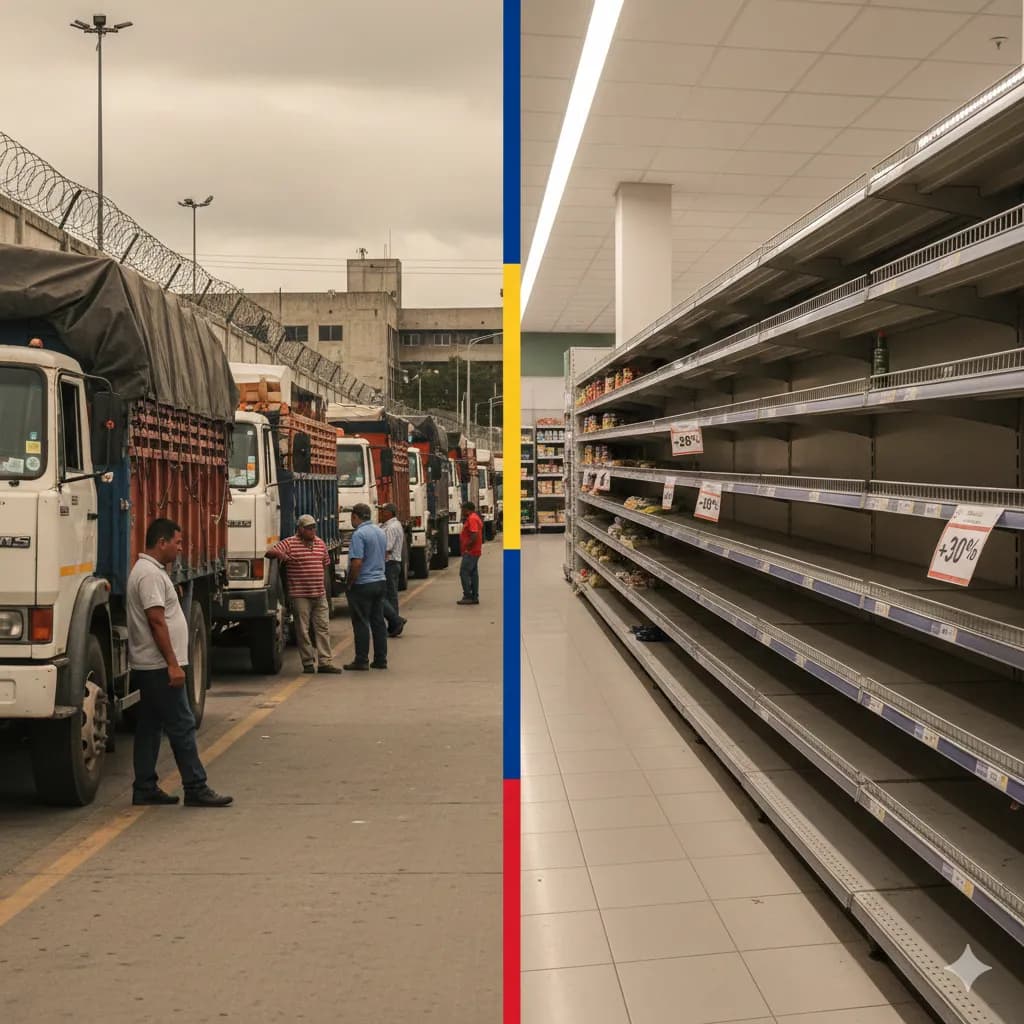
Primicias reports President Daniel Noboa ordered Ecuador's security tariff on Colombian imports eliminated from June 1. The tariff had reached 100% during the trade dispute and affected products including medicines, cosmetics and plastic and rubber manufactures.
Primicias reports that Petroecuador produced 356,867 barrels per day in April 2026, down 17,733 barrels per day from April 2025. The shortfall came while Ecuador's crude prices stayed well above the state budget assumption.
Primicias reports BlaBlaCar has entered Ecuador as a carpooling platform, joining a transport-app market that already includes Uber, DiDi, inDrive, Clipp and Redi. The company says its platform operates in 21 countries.
Expreso reports that at least 60% of Ecuadorian households live on $513 a month or less, citing El Quantificador data based on INEC figures. INEC's April ENEMDU report put average monthly labor income at $513 nationally.
El Universo reports that Ecuador recorded 273,554 active labor contracts from January through April 2026, with 171,735 concentrated in one broad macrosector covering agriculture, construction, commerce, finance, professional services and health-related work.
Primicias reports that Ecuador's overdue financial-system portfolio managed by collection firms has risen from about $1.6 billion before Covid-19 to about $2.5 billion today, according to Asocob.
Expreso reports that Quito's Mariscal Sucre Airport won Airport of the Year in the 2026 NCE Airports Awards, along with three additional recognitions for aviation infrastructure technology, social value and sustainable construction.
Celec says high river flows, sediment and rocky material damaged part of the Coca Codo Sinclair area after more than 20 continuous hours of pressure from the Coca River. El Comercio reports the national electric system remains guaranteed, but the episode shows why Amazon river conditions still matter for electricity users across Ecuador.
SECAP has opened 30,000 free virtual course spots through the Compromiso por el Empleo program. Courses run 60 to 90 hours and cover areas like e-commerce, web programming, gastronomy, computer maintenance, basic electricity and auto mechanics.
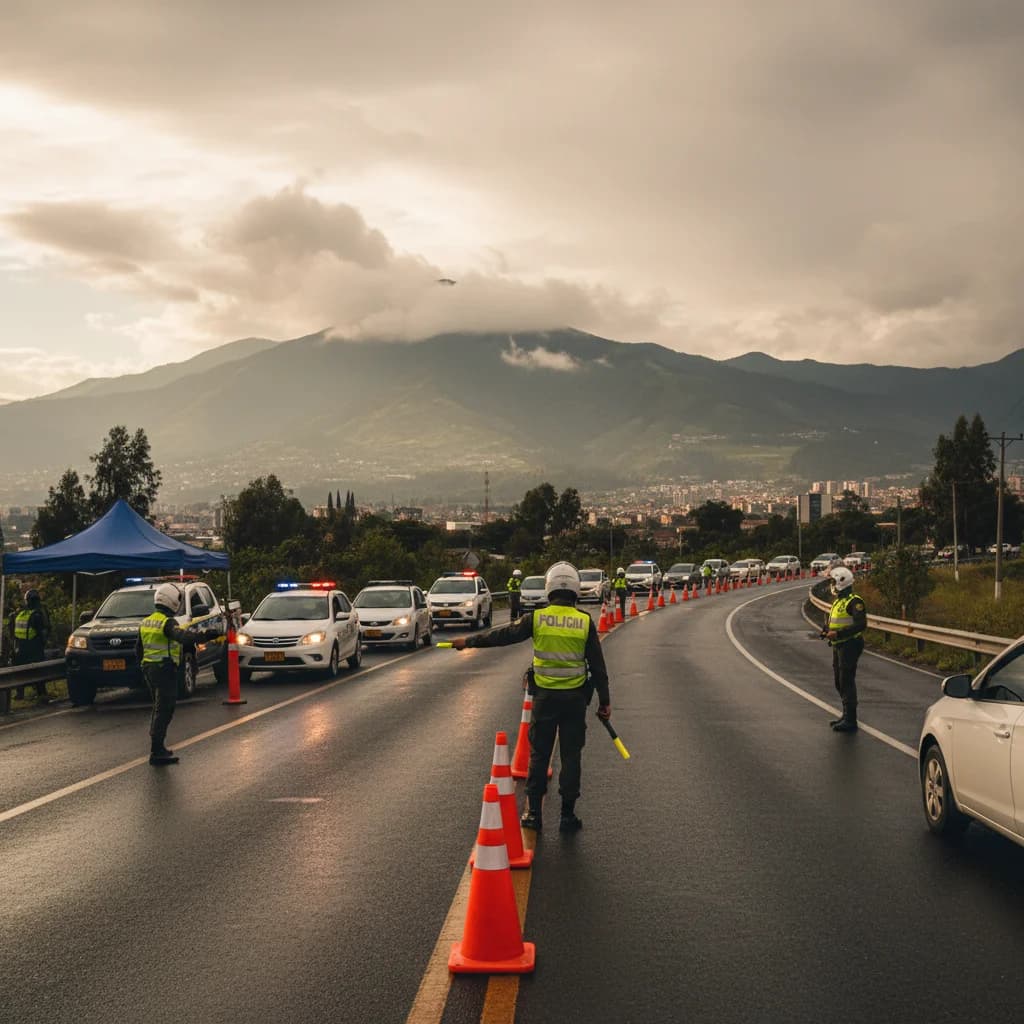
Expreso reports that Ecuador's 2026 curfews have accumulated 30 days of restrictions and affected at least 120,000 businesses. One economist estimated losses between USD 16 million and USD 32 million, with the hardest hit in nightlife, restaurants, logistics and small businesses.
Monthly inflation reached 0.53% in April 2026, driven mainly by transport costs, with annual inflation at 2.6%. Meanwhile Ecuador's tariff on Colombian goods escalated to 100% on May 1. What it means for anyone living here on a fixed or foreign income.
An addendum to the AC59 trade agreement will lower the import tariff on cars made in Argentina from 16.1% to 10%. Industry expects the deal signed in the second half of June. The Toyota Hilux, a Toyota SUV, and the Ford Ranger are the models in play.