Breaking news, politics, economy, visas, safety, and lifestyle updates for expats living in Ecuador.
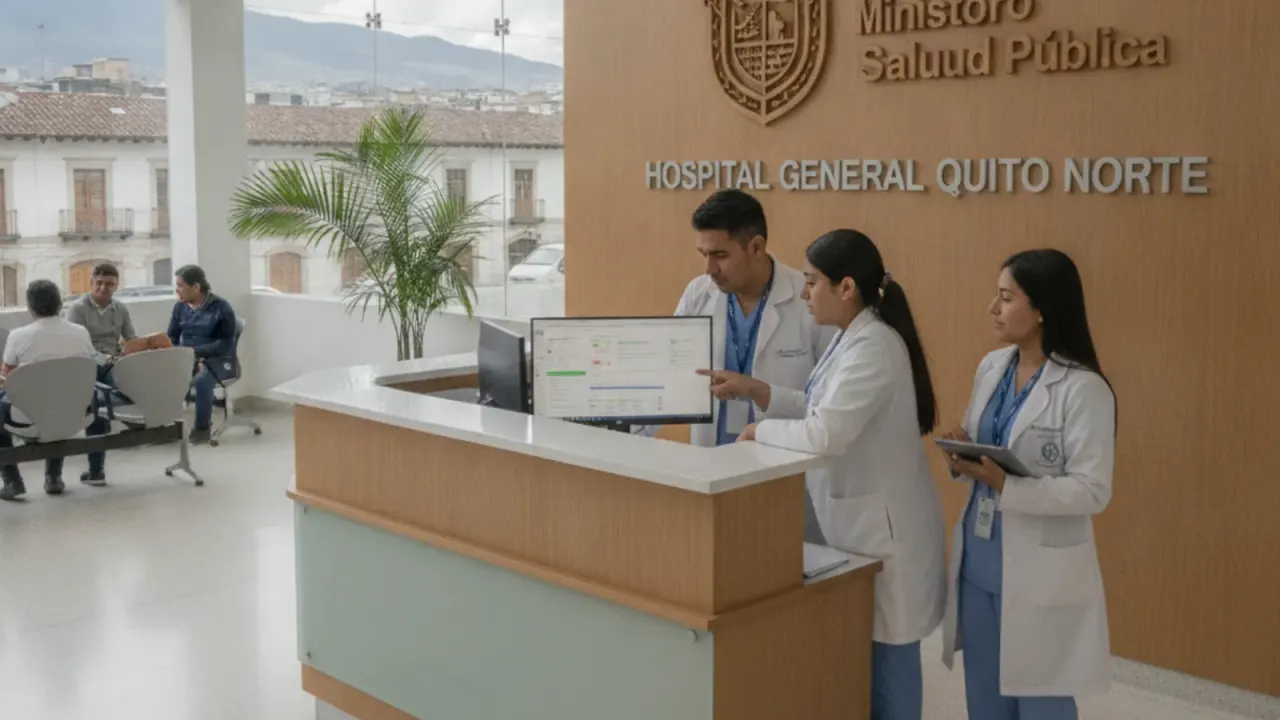
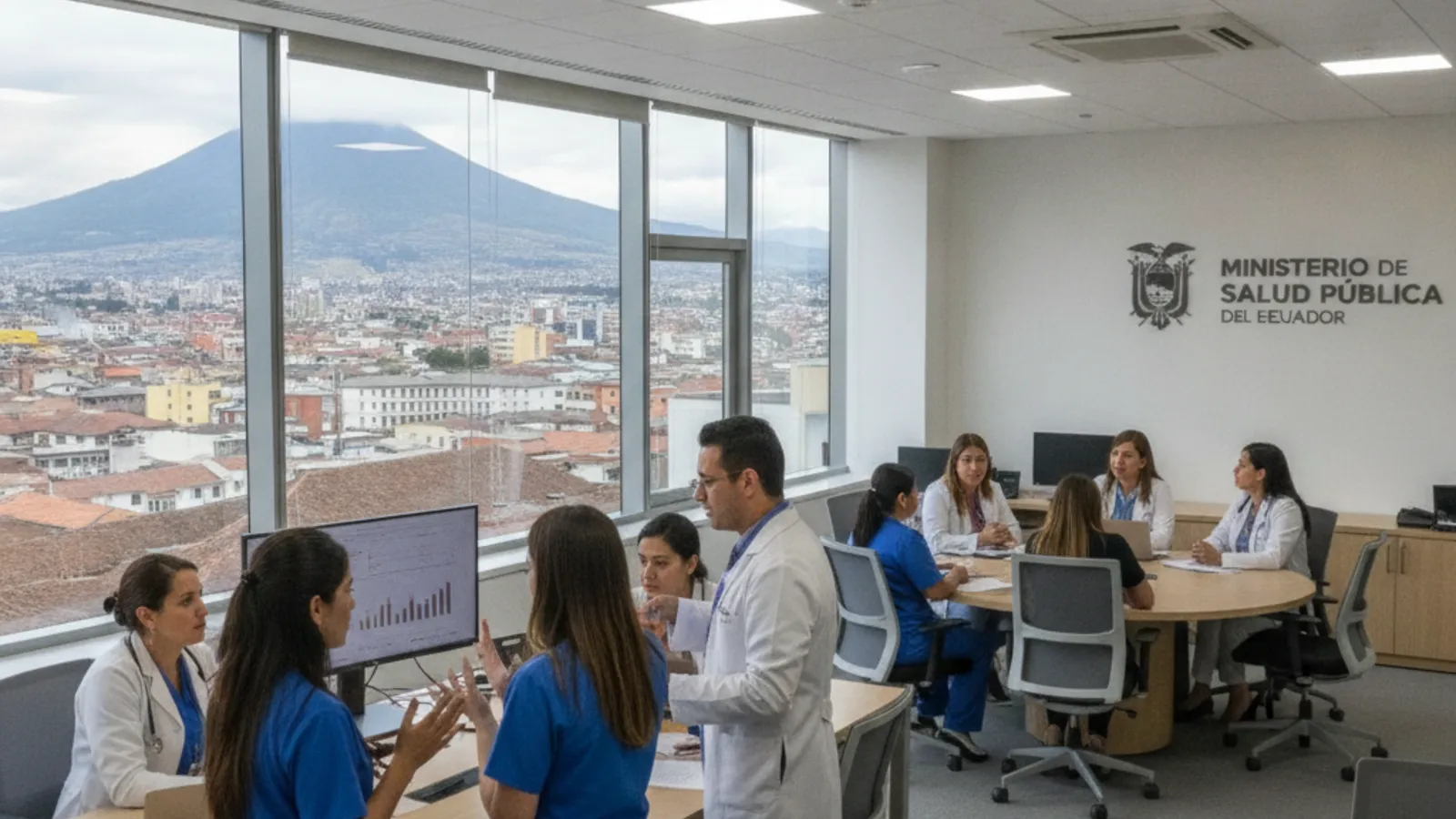
The Ministry of Public Health has invited CNT to provide a national interoperable health platform, with Italian company Dedalus as a subcontractor. The proposed seven-year process would target 1,742 prioritized health establishments, but it has not yet been awarded.
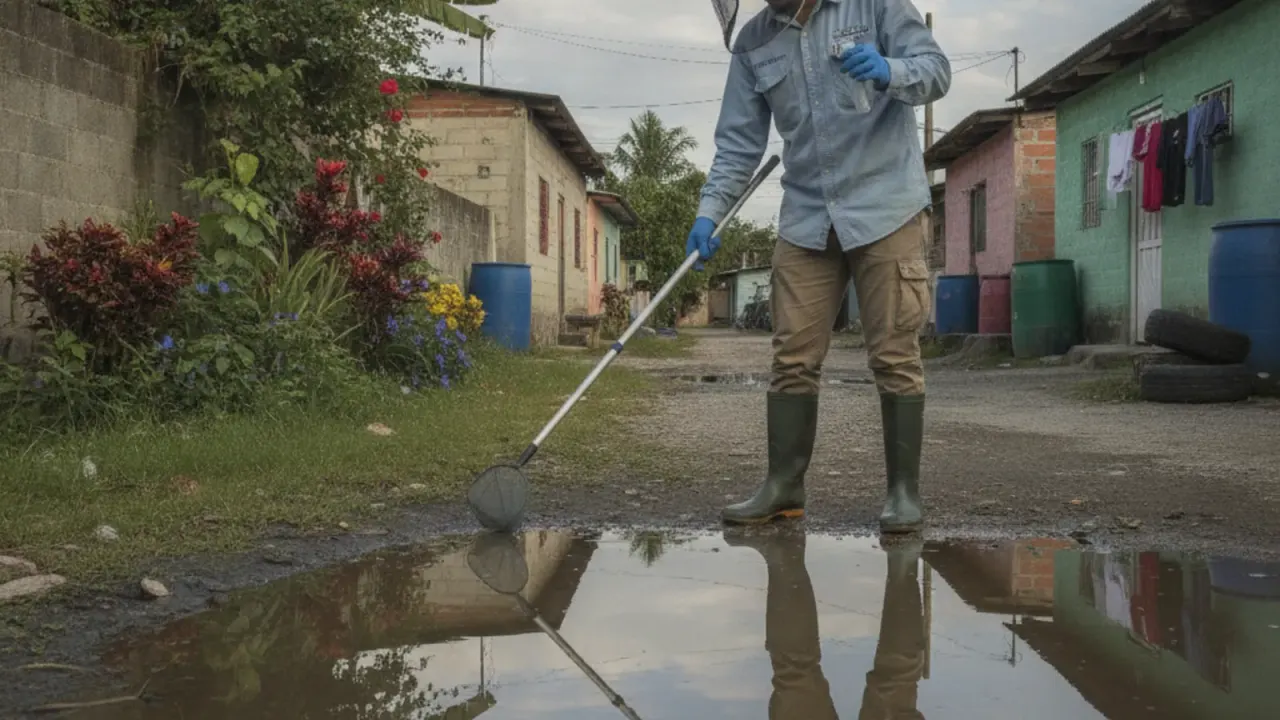
Ecuador has recorded 28,652 dengue cases in 2026, with weekly reports above the same periods in 2025 since late May. Separate resistance data, measured through June 2025, shows high resistance to deltamethrin and a changing challenge for mosquito control.
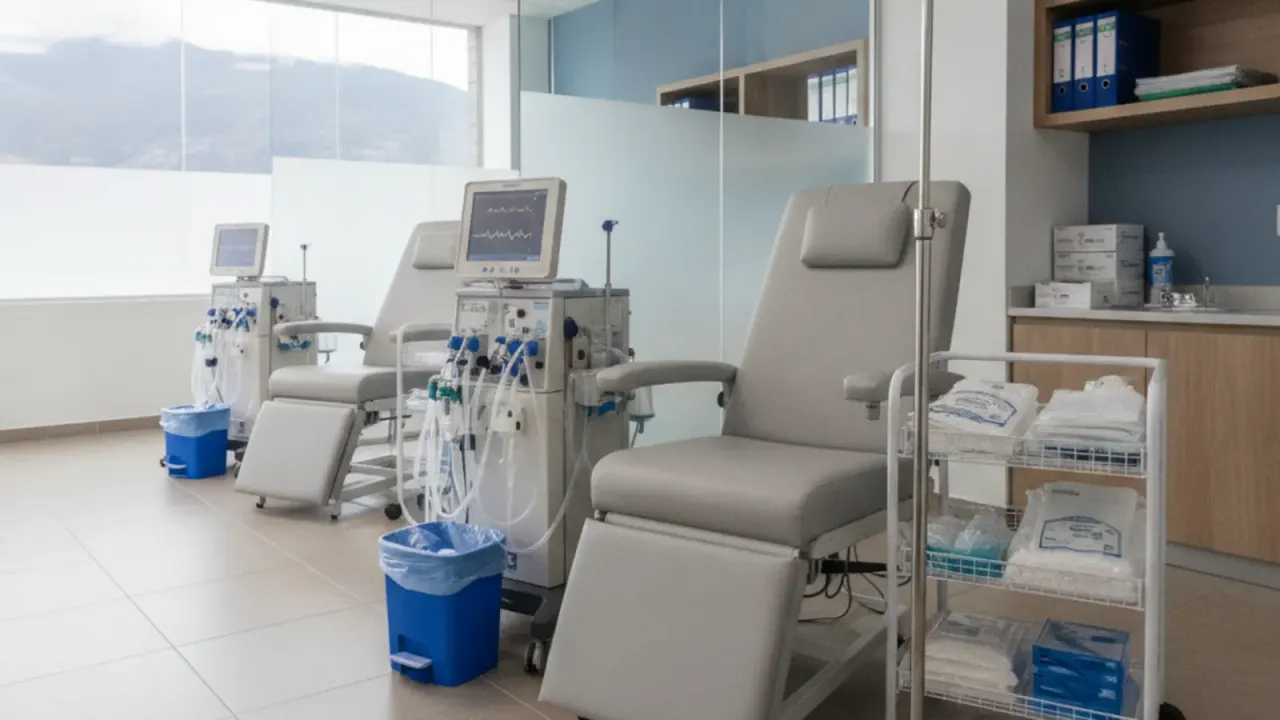
Ecuador’s competition regulator approved Davita’s acquisition of 100% of Cendialcon. The deal comes as the public system refers 88% of dialysis patients to private clinics and Cendialcon reports a USD 5.71 million receivables balance.
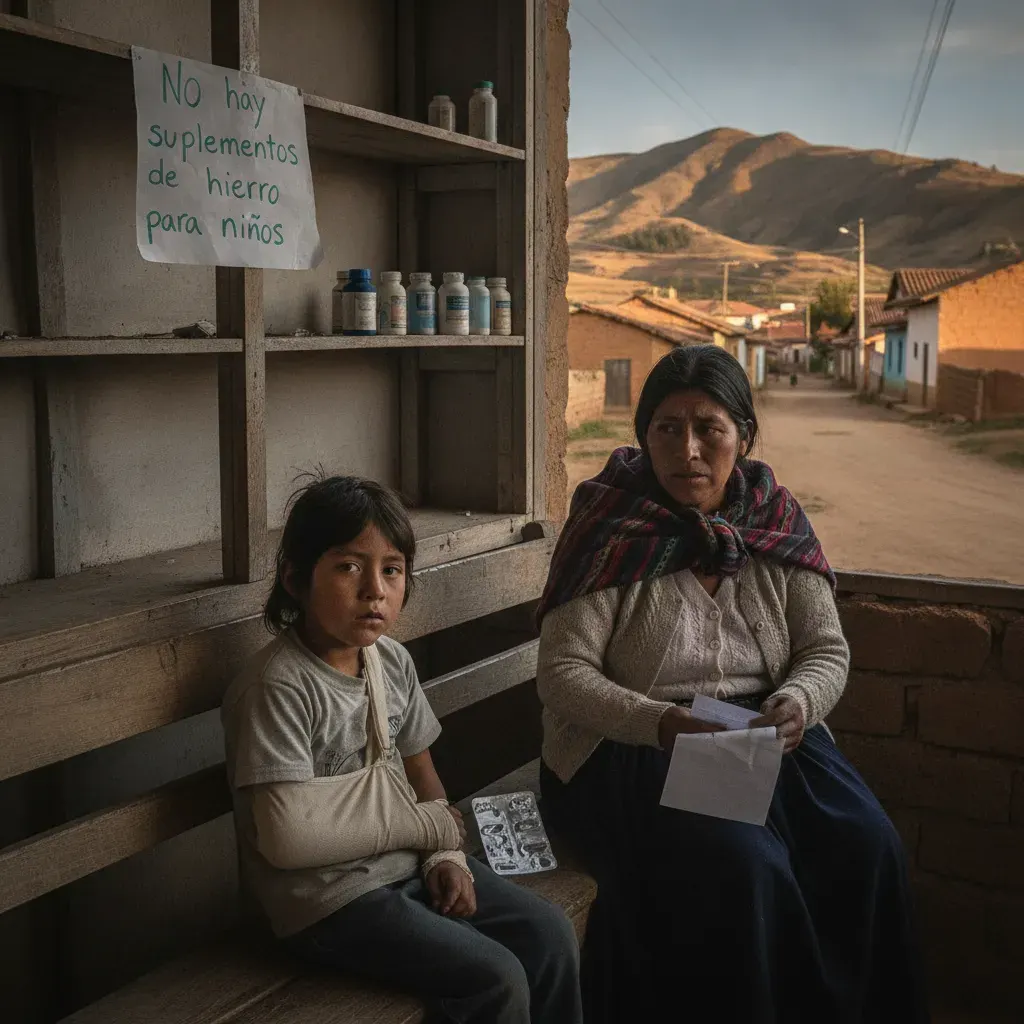
The Ministry of Health’s central warehouse and two provinces had zero stock of iron supplements in the reported data, while national demand reaches 112,542 children.
The new Cuadro Nacional de Medicamentos Básicos increases the catalog from 494 to 512 active ingredients and will take effect during 2026 after official publication.
Ecuador says its plan to buy medicines from India is now in Arcsa homologation, with a roadmap defined with India’s government. The plan matters for expats because medicine access, pharmacy prices, and public-health procurement all show up in everyday life.
Hospitals and health centers in Ecuador will begin using the WHO’s CIE-11 system for diseases, diagnoses, and medical conditions. The goal is more uniform records across the health network.
President Daniel Noboa appointed Juan Carlos Aveiga Parra as Minister of Public Health on July 10, replacing Jaime Bernabé. The change comes as medicine shortages remain one of the public health system’s major unresolved issues.
Private health insurance continues to grow in Ecuador, with more than 1.7 million people covered and health insurance premiums reaching USD 180.5 million in 2025.
Ecuador’s social security system had 3.6 million active affiliates as of May 2026, up more than 102,000 from a year earlier. The useful part for expats is understanding the difference between dependent, independent, voluntary, domestic-work, and youth affiliation.
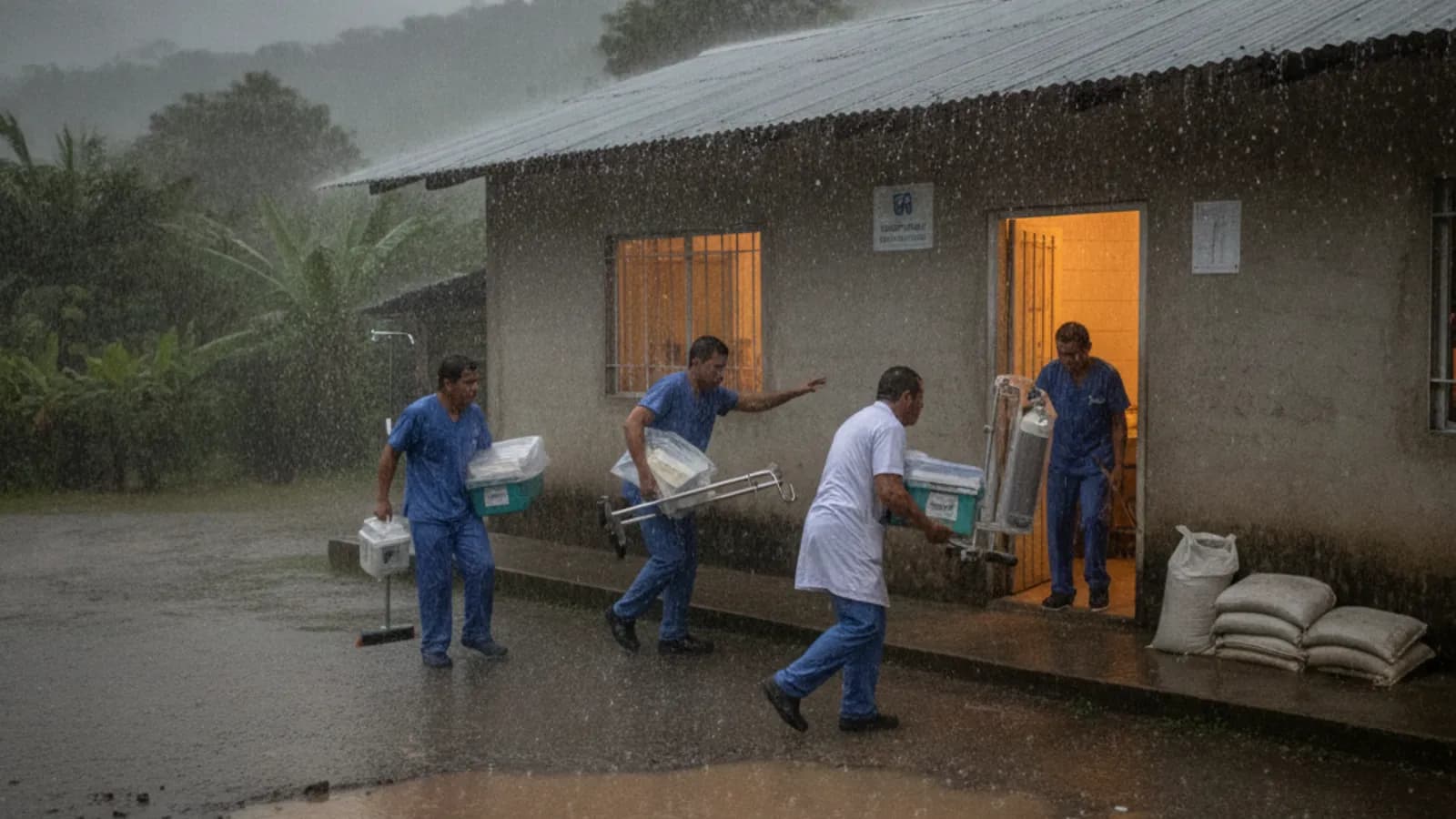
At least 460 hospitals and health centers are located in Ecuador parishes under yellow alert for El Nino. Most are small health centers, and the risk list is concentrated heavily in Manabi and Guayas.
IESS transferred more than $63 million to 195 private health providers in June 2026, with Azuay, Guayas and Pichincha among the provinces highlighted. The payments are part of more than $616 million sent to external providers since December 2025.