Ecuador’s Non-Oil Exports Hit a Record $25.2 Billion in 2025 — Shrimp, Cocoa, and Bananas Lead the Way

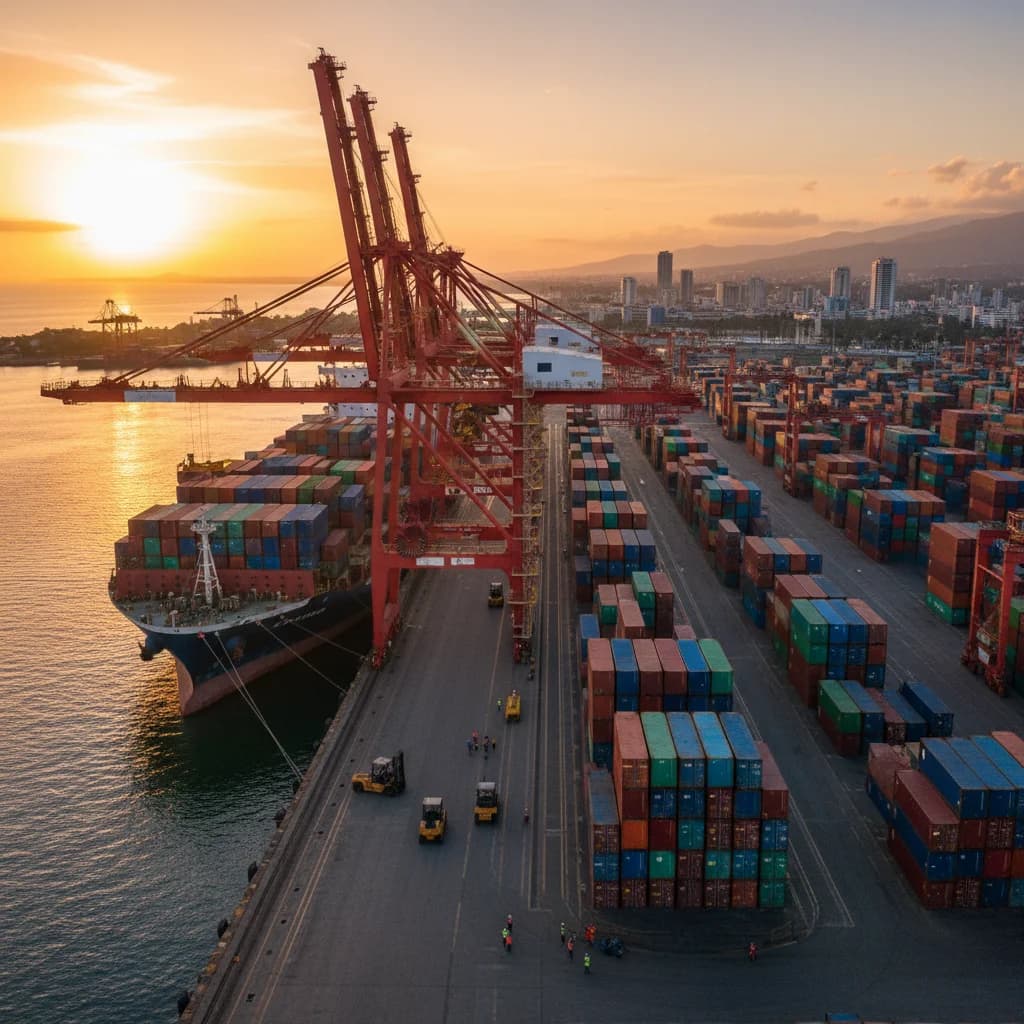
Ecuador just posted the best non-oil export numbers in its history — and for a country that has long depended on petroleum revenue to balance its budget, that’s a big deal.
The Ecuadorian Federation of Exporters (Fedexpor) reports that non-petroleum, non-mining exports reached $25.202 billion in 2025, a 16% increase over 2024’s $21.745 billion.
The Numbers
By Sector
| Sector | 2025 Revenue | Growth | |--------|-------------|--------| | Agriculture | $12.088 billion | +17% | | Aquaculture & Fishing | $10.800 billion | +17% | | Manufacturing | $2.314 billion | +5% |
Top Products
| Product | 2025 Revenue | Growth | |---------|-------------|--------| | Shrimp | $8.401 billion | +20% | | Cocoa | $4.668 billion | +29% | | Bananas | $4.262 billion | +11% | | Canned fish | $1.848 billion | +10% | | Flowers | $1.045 billion | +3% |
Export volume also climbed: Ecuador shipped 12.935 million tons across all markets, a 9% increase.
Including Mining
When mining products are added, total non-petroleum exports reached $29.402 billion — an 18.3% increase and an additional $4.553 billion compared to 2024.
Where It’s Going
| Market | 2025 Revenue | Share | |--------|-------------|-------| | European Union | $7.237 billion | 23% | | United States | $6.570 billion | +30.3% | | China | $5.920 billion | +16.4% |
The U.S. surge — a 30% jump — is particularly notable. Ecuador’s shrimp competes directly with Asian producers in the American market, and it’s winning.
Why Cocoa Exploded
Cocoa’s 29% growth reflects both higher global prices (driven by supply shortages in West Africa) and Ecuador’s positioning as a premium cacao origin. Ecuadorian “fino de aroma” cacao commands premium prices from craft chocolate makers worldwide. The country is the world’s third-largest cocoa exporter.
What This Means for Expats
Confused about which visa fits your situation? Book a 30-minute consultation with Chip and leave with a clear plan.
Book a consultation- Economic stability: Export diversification is the single best protection for Ecuador’s dollarized economy. When oil prices drop, these non-oil revenues provide a buffer that keeps the government funded and the economy functioning
- Job creation: Agricultural and aquaculture exports employ hundreds of thousands of Ecuadorians, particularly on the coast and in rural areas. A strong export sector means lower unemployment and less migration pressure
- U.S.-Ecuador trade relations: The 30% surge in exports to the United States strengthens the bilateral relationship — which matters for visa policy, security cooperation, and the trade preferences Ecuador relies on
- Cost of living angle: Strong exports mean strong dollar inflows, which supports domestic consumption. However, global demand for Ecuadorian cocoa and shrimp can also push local prices higher — you may have noticed chocolate and seafood aren’t as cheap as they were five years ago
- Investment signal: These numbers attract foreign investment. More investment means more infrastructure, more services, and a more developed economy over time
Sources: El Universo, Fedexpor, Banco Central del Ecuador
More in Economy
View all →Ecuador Businesses Asked to Use Generators Voluntarily as the Dry Season Begins
September 10, 2026
Store-Credit Reporting Gaps Put the Paperwork Behind Installment Purchases in Focus
September 10, 2026
Study Finds the Widest Financial Gaps Among Women, Young People, and Rural Ecuadorians
September 8, 2026
Keep practical Ecuador coverage free to read.
Reader support helps fund source monitoring, translation, editing, publishing, and national coverage for expats across Ecuador.
Need help with your Ecuador visa? EcuaPass handles the paperwork for you. Learn more →
Comments
No comments yet. Be the first to share your thoughts!


