Iron-Supplement Shortages Put Pressure on Children With Anemia

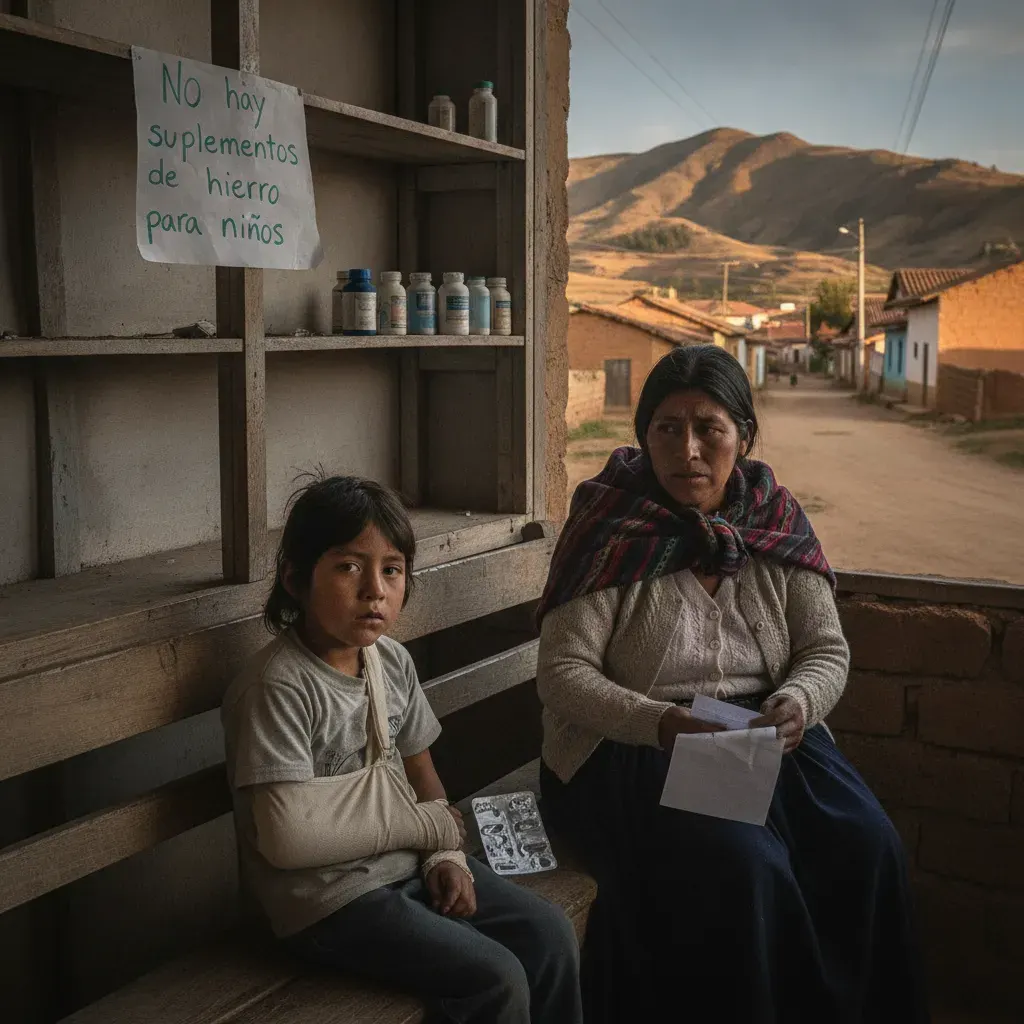
Ecuador’s medicine-supply problems extend beyond hospital prescriptions. Children with low weight, nutritional deficiencies, and anemia are also being affected by shortages of iron supplements.
The reported data shows zero stock of iron supplements at the Ministry of Health’s central warehouse and in two provinces. The shortage involves iron polymaltose, prescribed to prevent anemia in infants younger than 23 months.
The scale of demand
The Ministry of Health records a national demand from 112,542 children who need the supplement. The available information has a July 2026 cutoff, so it should be read as a snapshot of supply pressure rather than a live inventory of every facility.
The shortage has been developing for months. The zonal ministry warehouses have faced reduced supplies for four months, and iron availability has fallen across the country since April. The reported prevalence of anemia is higher in Carchi, Esmeraldas, Imbabura, Pichincha, and Sucumbíos.
Procurement is still pending
The government began a purchase process for iron valued at USD 619,895. The expected award was projected for the end of August.
The planned supply is intended to cover 12 months, plus a 20% safety stock. That is a procurement plan, not proof that the product is already available where families need it.
The distinction matters for parents. A national purchase can take time to reach a provincial warehouse, a hospital, or a local health center. Families should ask the treating provider what the current supply option is rather than assume that a national procurement announcement means immediate pickup.
What expats should know
Foreign residents with children may encounter Ecuador’s public-health system through vaccination, pediatric care, nutrition support, or emergency treatment. The useful response to a supply problem is documentation: keep the prescription, ask what product and dose are being requested, and confirm whether the facility has an approved alternative or a restock date.
The report does not establish that every pharmacy or private clinic is out of iron, and it does not say that every child lacks access. It does show a national public-system supply problem affecting a defined pediatric need.
The next meaningful signal is whether the August procurement is awarded and whether the ministry publishes a current stock update afterward.
Report an article problem
Tell us what seems wrong or outdated. Include your email so we can follow up if needed.
More in Healthcare
View all →Ecuadorian Dialysis Patients Protest in Cuenca Amidst National Government Payment Delays to Treatment Centers
September 15, 2026
Ecuador Considers a USD 240 Million National Hospital-Information Platform
September 3, 2026
Ecuador Reports 28,652 Dengue Cases as Insecticide Resistance Rises
August 26, 2026
Keep practical Ecuador coverage free to read.
Reader support helps fund source monitoring, translation, editing, publishing, and national coverage for expats across Ecuador.
Need health insurance in Ecuador? Compare SafetyWing coverage, exclusions, eligibility and current pricing directly with the provider. Travel medical coverage is not a substitute for every local or residency insurance requirement. Learn more →
Comments
No comments yet. Be the first to share your thoughts!