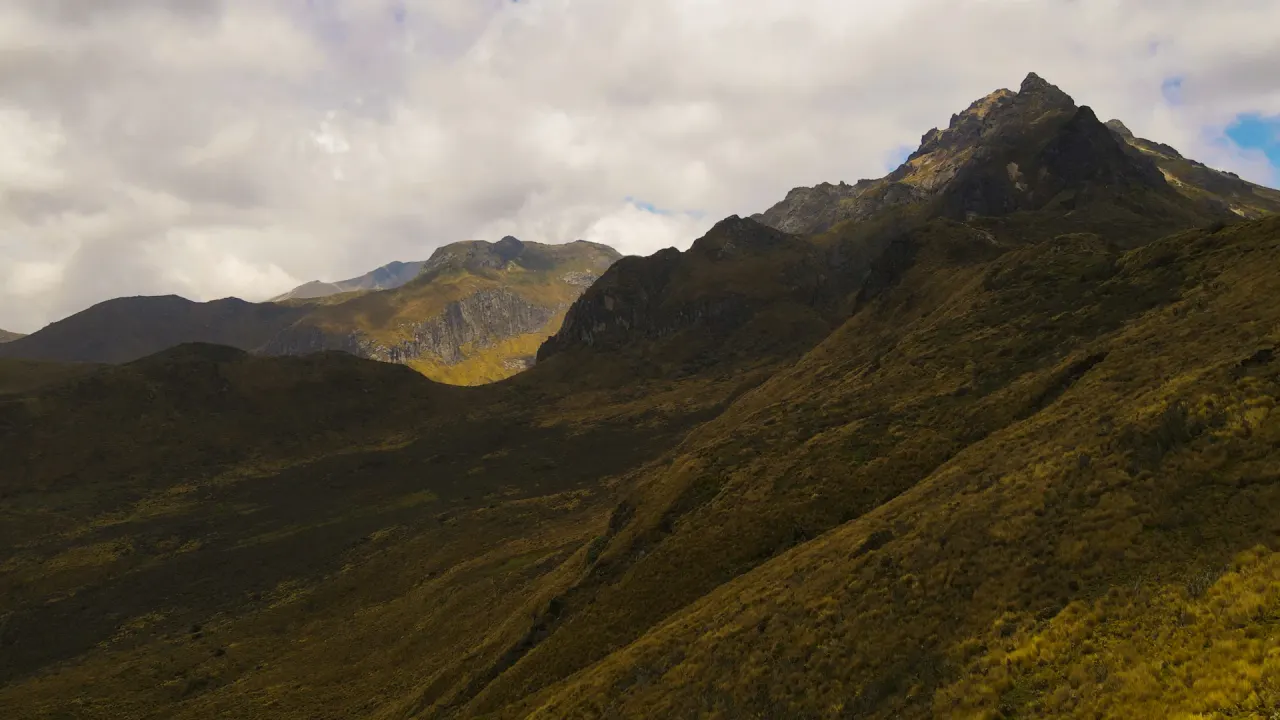
Ecuador Faces Early Dry Season and Energy Challenges, Urges Conservation Amidst El Niño Threat

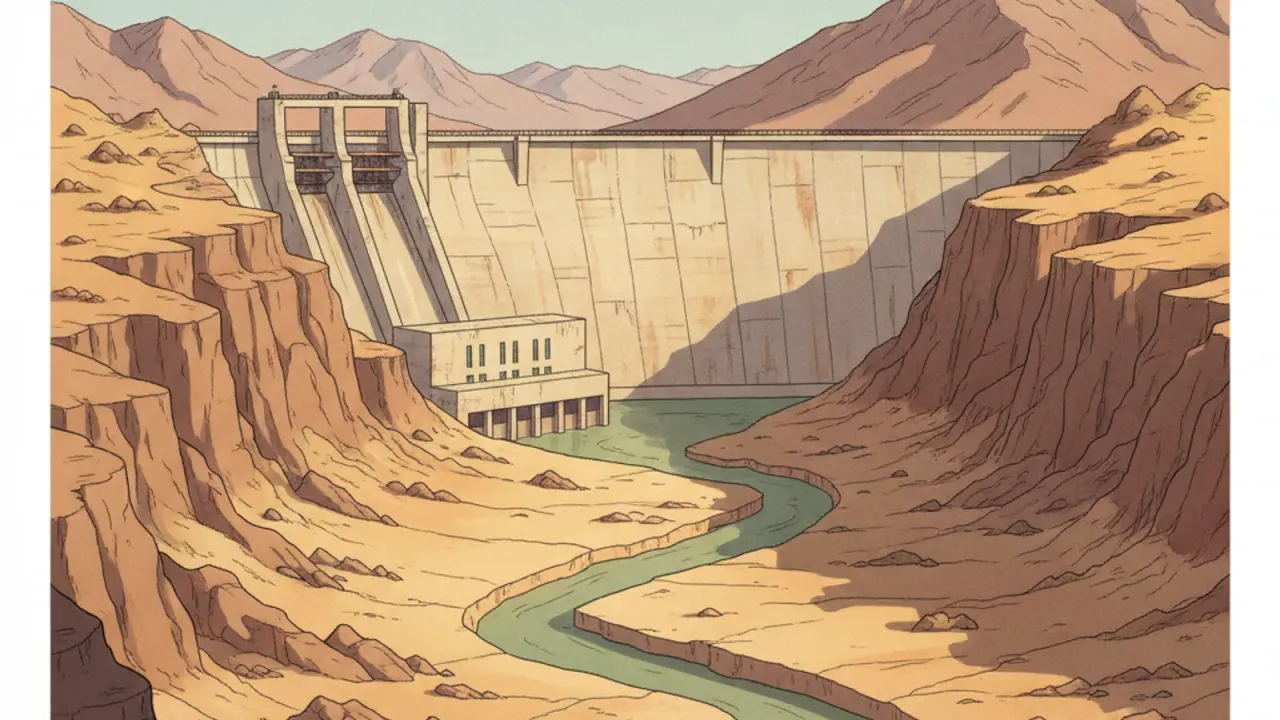
Ecuador is currently navigating the complexities of an early dry season, known as "estiaje," which began in September, a month earlier than usual. This period is characterized by decreased river flows crucial for the nation's electrical system, leading to a substantial reduction in hydroelectric generation. The situation is further complicated by the impending arrival of the El Niño phenomenon, which threatens to cause droughts in vital areas, including the Paute Integral complex, the country's largest hydroelectric facility located between Cañar and Azuay.
Between September 1 and September 23, 2026, Ecuador's thermoelectric generation averaged 875 megawatts (MW), according to the National Electricity Operator Cenace. This thermoelectric output accounts for approximately 19% of the country's average demand of 4,500 MW. A significant portion of this, 587 MW or 67%, was generated using fuel oil. Thermoelectric generation began to increase notably from September 7, 2026, particularly from fuel oil turbine plants.
Adding to the generation capacity, two thermoelectric barges began contributing electricity to the national system from Monday, September 21, 2026. These barges collectively have the capacity to generate 200 MW. However, the Esmeraldas I thermoelectric plant, with a capacity of 125 MW, remains out of operation until March or June of 2027 following a fire in June 2026.
Hydroelectric generation between September 1 and September 13, 2026, stood at 3,577 MW, covering 79% of the demand. However, the average flow of the Mazar plant, a key component of the Paute Integral complex, was 54.5 cubic meters per second (m3/s) between September 1 and September 23, 2026, significantly lower than the 89.2 m3/s recorded in September 2025. On September 24, 2026, the Mazar reservoir's level was 2,136.15 meters above sea level, 16.85 meters below its maximum capacity of 2,153 meters.
In response to the energy challenges, Minister of Environment and Energy, Juan Carlos Blum, on September 24, 2026, urged households to reduce and make their electricity consumption more efficient during the dry season. The government is preparing a campaign to promote electricity-saving practices, with a goal for the residential sector to reduce its consumption by at least 10%. Minister Blum clarified that this strategy does not involve power cuts.
For high-consumption companies, the government of Daniel Noboa, through executive decree 32 issued in June 2025, set an 18-month deadline for those connected to the high-voltage system to implement their own electricity generation systems. This deadline is December 15, 2026. As of September 24, 2026, only 47 companies have achieved 100% self-generation. Companies unable to meet this deadline can utilize electricity from the two rented barges. While companies currently pay approximately 12 cents per kilowatt-hour, the tariff for electricity from the barges is projected to be between USD 0.24 kWh and USD 0.44 kWh, significantly higher.
Cenace predicts that November 2026 could be the most intense month of this dry season, underscoring the need for continued vigilance and conservation efforts.
What This Means for Expats
Foreign residents in Ecuador should be aware of the national call for electricity conservation. While the Minister has stated that the strategy does not involve power cuts, a collective effort to reduce consumption is being emphasized. This means adopting more energy-efficient habits, such as turning off lights and appliances when not in use, optimizing air conditioning or heating, and being mindful of peak usage times. The government's campaign will likely provide practical tips for households. The potential for increased electricity costs for businesses, particularly those unable to self-generate, could have broader economic implications, though direct impact on residential tariffs has not been announced. The early onset of the dry season and the El Niño phenomenon highlight the importance of understanding local climate patterns and their effects on essential services. Staying informed about official government announcements regarding energy policy and conservation efforts will be beneficial.
Sources: primicias.ec; primicias.ec; primicias.ec.
Image: AI-generated illustration.
More in Economy
View all →Ecuador's Remittances Set to Reach Historic High of $8.02 Billion in 2026, Fueling Economic Growth and Housing Initiatives
September 21, 2026
Gapal Interchange Award Delayed Amid Bidder Claims in Cuenca, Road Studies Progress in Azuay
September 21, 2026
Ecuador Boosts Power Supply with Additional Barges Amid Energy Concerns, Targeting Industrial Sector
September 20, 2026
Keep practical Ecuador coverage free to read.
Reader support helps fund source monitoring, translation, editing, publishing, and national coverage for expats across Ecuador.
Need help with your Ecuador visa? EcuaPass handles the paperwork for you. Learn more →
Comments
No comments yet. Be the first to share your thoughts!