Villonaco III Wind Project Enters Final Construction Stage in Loja Province

Overview
Ecuador's Minister of Environment and Energy, Juan Carlos Blum, announced on Friday, November 13, 2026, that the Villonaco III wind project is in its final stage of development, with commercial operations projected to begin in October 2027. Located in the southern province of Loja, the 112-megawatt (MW) energy project represents a 100 percent private capital investment of approximately $230 million managed by the Spanish company Cobra.
The installation sits on Huayrapamba Hill, situated between the cantons of Loja and Catamayo. Officials highlighted the development as a sign of investment stability under Ecuador's regulatory framework for private generation in the national energy sector.
Confirmed details
Although the project contract was originally signed in 2023, financial closure was achieved in January 2025, followed by the commencement of civil construction work in July 2025. Construction records show that by June 2026, physical progress on civil infrastructure and platform preparation reached 54.53 percent.
Key equipment logistics have also advanced significantly across the region. A total of 57 turbine blades measuring 75 meters each, alongside electric generators, arrived at Puerto Bolívar before being dispatched via specialized ground transport to the installation site in Loja. With these equipment deliveries underway, overall global progress on the Villonaco III project has passed 60 percent.
Background
Minister Blum shared the update during a visit to Petroecuador's Pascuales Clean Products Terminal, where he addressed energy infrastructure and fuel dispatch operations. The addition of non-hydroelectric, non-thermal wind generation capacity is designed to diversify Ecuador's national electricity grid by introducing alternative renewable resources.
What This Means for Expats
For foreign residents living in Ecuador, particularly those residing in the southern Sierra region including Loja and surrounding areas, long-term investments in alternative power infrastructure aim to improve grid resiliency. The diversification of the country's generation portfolio away from exclusive reliance on traditional single-source energy models serves to support broader energy reliability across national distribution networks.
Sources: eluniverso.com.
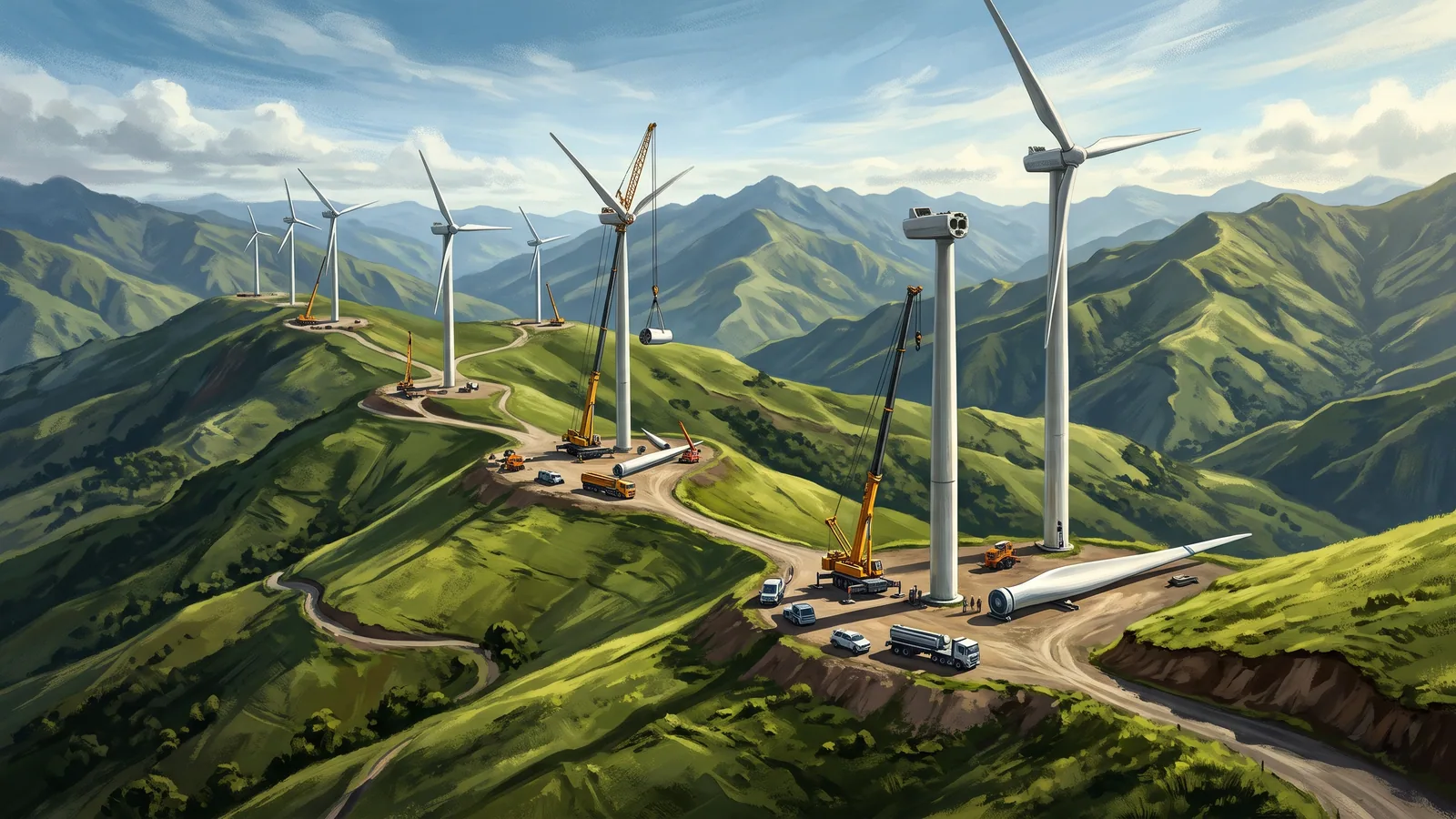
Image: AI-generated editorial illustration; not a documentary depiction of the events reported.
Report an article problem
Tell us what seems wrong or outdated. Include your email so we can follow up if needed.
More in Economy
View all →Keep practical Ecuador coverage free to read.
Reader support helps fund source monitoring, translation, editing, publishing, and national coverage for expats across Ecuador.
Comments
No comments yet. Be the first to share your thoughts!