Fitch Ratings Highlights Ecuador Exposure to El Niño Risks

Overview
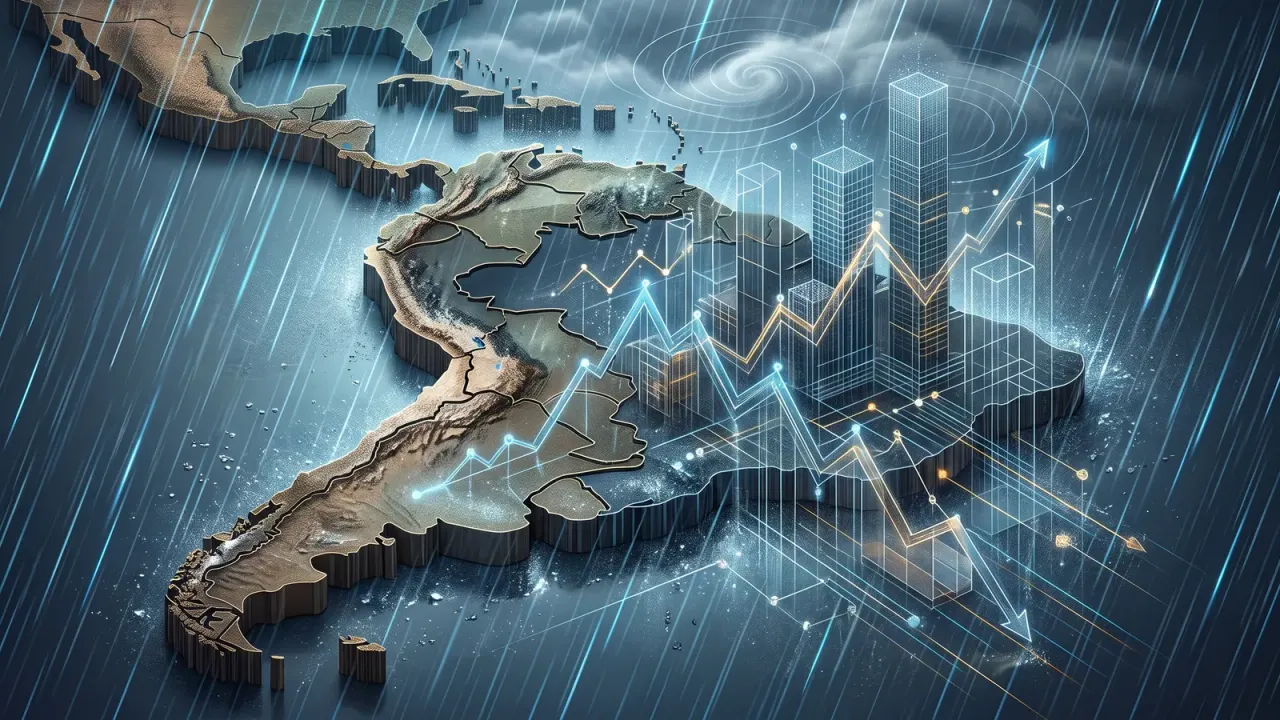
Fitch Ratings issued a report on November 12, 2026, analyzing the potential effects of the El Niño climate event across Latin America. The rating agency warned that a more intense El Niño phenomenon than anticipated could reduce Ecuador's economic growth and increase pressures on the country's public finances. Fitch identified Ecuador as one of the most exposed nations in the region to a severe event, pointing specifically to vulnerabilities surrounding electricity generation and the national fiscal situation.
National agencies have concurrently issued public updates regarding the weather event. The National Institute of Hydrology and Meteorology (Inamhi) alerted the public to incoming intense rains linked to El Niño, providing specific forecasts for November 13, 2026. In parallel, the Ministry of Public Health (MSP) published guidance to help citizens prepare for the rainy season, which includes assembling an emergency backpack.
Confirmed details
The assessment by Fitch Ratings comes after the agency upgraded Ecuador's sovereign debt rating in February 2026 from CCC+ to B-, stating at the time that the long-term economic outlook remained stable. However, the agency's latest report underscores that severe weather impacts could alter baseline projections if severe rainfall or drought conditions disrupt key national systems.
Weather forecasting from Inamhi warned of heavy rains associated with El Niño affecting parts of the country into November 13, 2026. Responding to the heightened risk of weather disruptions, the Ministry of Public Health recommended household preparations. Key guidance from the ministry includes putting together an emergency backpack containing essential supplies and keeping personal documents protected from water damage.
What This Means for Expats
For foreign residents living in Ecuador, economic analyses from international agencies provide context on macro stability, currency health, and government fiscal capacity. Reductions in economic growth or added stress on public accounts can influence national infrastructure development and public services over time.
On a practical level, the public health advisories highlight basic disaster readiness steps suitable for all residents during rainy periods. Maintaining emergency kits, safeguarding legal and health identification documents in waterproof containers, and following verified regional weather alerts are prudent steps as seasonal weather disruptions materialize across different regions of the country.
Sources: primicias.ec; primicias.ec; primicias.ec.
Image: AI-generated editorial illustration; not a documentary depiction of the events reported.
Report an article problem
Tell us what seems wrong or outdated. Include your email so we can follow up if needed.
More in Economy
View all →Keep practical Ecuador coverage free to read.
Reader support helps fund source monitoring, translation, editing, publishing, and national coverage for expats across Ecuador.
Comments
No comments yet. Be the first to share your thoughts!