Dry Season Leads to Water Supply Cuts in Rural Cuenca Canton, Affecting Thousands of Users

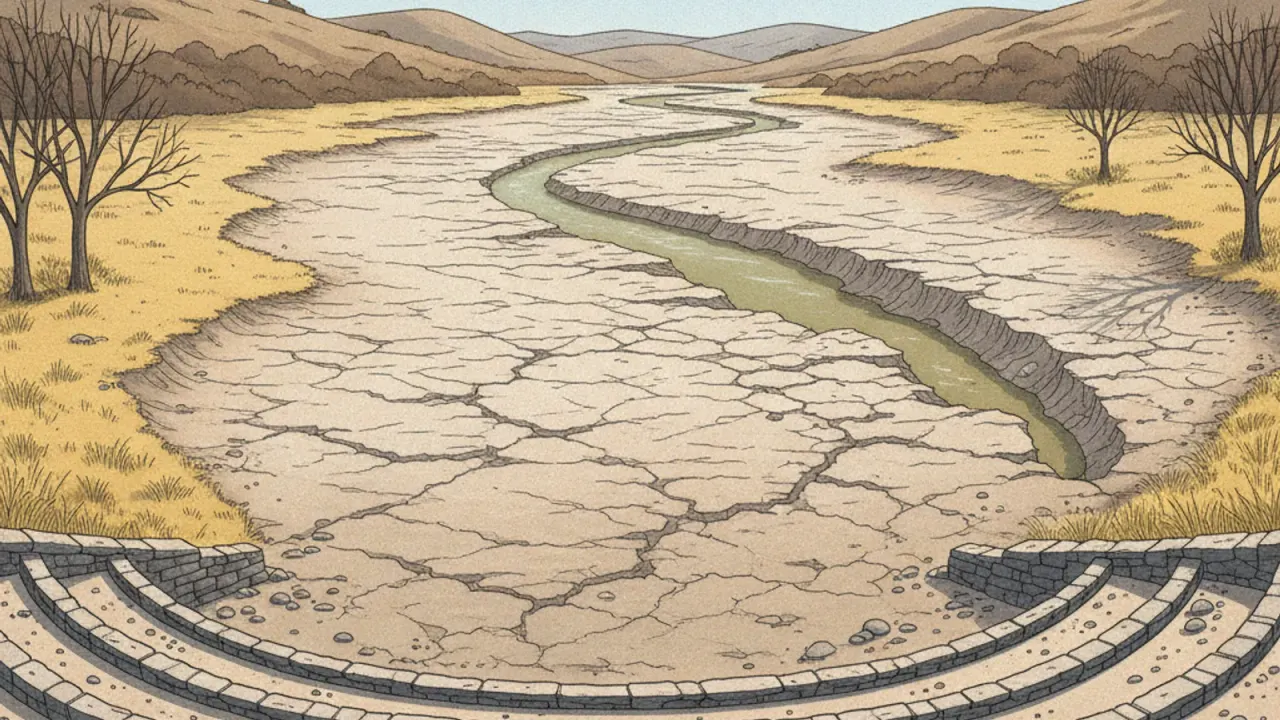
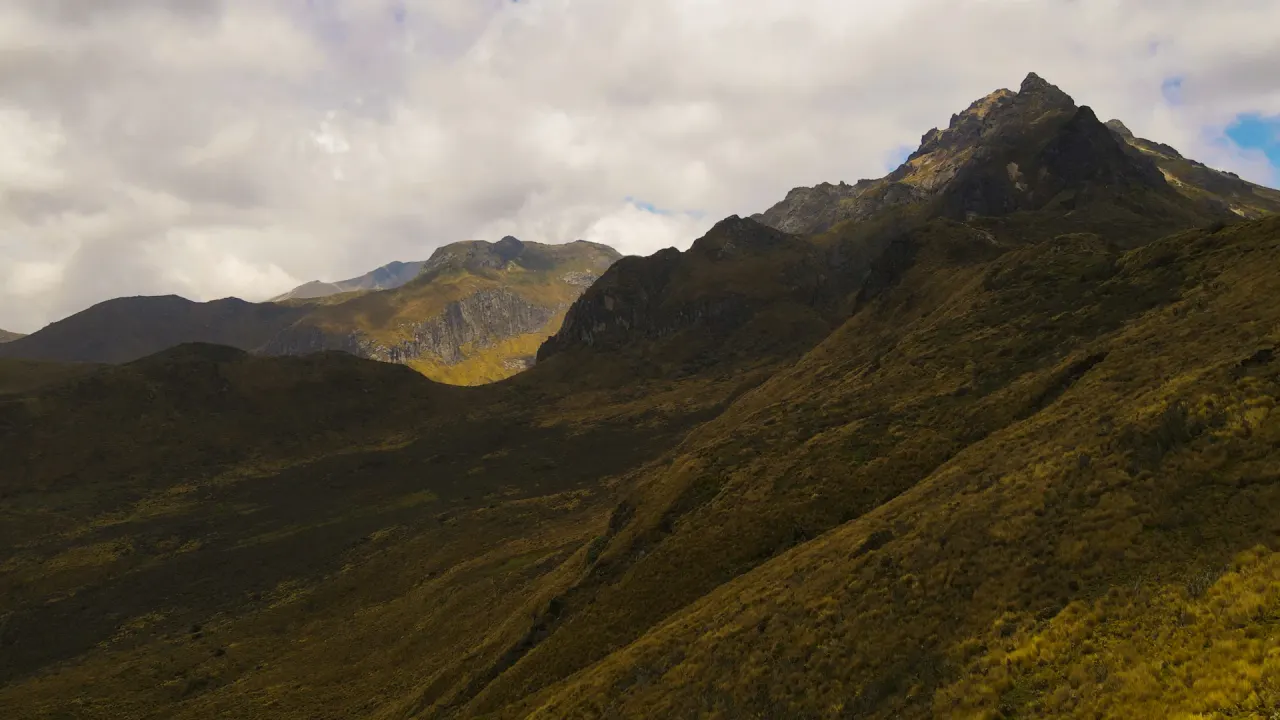
The current dry season, marked by a significant lack of rainfall, is causing potable water supply issues for approximately 24,000 users in the rural areas of Cuenca canton. Specifically, two of the four community water systems, Baños and Nero, have implemented scheduled service suspensions and are experiencing low pressure due to reduced water flow. This situation highlights the vulnerability of water resources during extended dry periods.
The Baños Potable Water Administrative Board began implementing nightly cuts last Tuesday, affecting 3,000 of its 10,200 users. These suspensions primarily impact sectors such as Narancay and El Arenal, occurring for six hours each night, from 22:00 to 04:00. Carlos Fajardo, technical head of the Baños board, explained that the measure is a direct response to a decrease in water flow entering the system's two treatment plants. The Cochapamba plant saw its flow drop from 80 to 68 liters per second (l/s), while the Rudio plant experienced a reduction from 30 to 24 l/s. The Baños board has a contingency plan in place, which includes the potential to expand affected sectors and extend cut-off hours with prior planning if conditions deteriorate further.
Similarly, the Nero Project, which serves over 7,000 users, has been reporting service suspensions since late August and early September. These cuts are frequently attributed to high consumption and low water levels in the reserve tanks, as communicated through the project's official Facebook page. The announced cut-off schedules for Nero generally run from 20:00 to 05:00. Areas experiencing constant suspensions include San Antonio de Gapal, San José de la Playa, Castilla Cruz, San Juan Loma, Corazón de Jesús de El Valle, Barrio Unido, and El Despacho.
In response to these challenges, both the Baños and Nero community systems are urging their users to practice responsible water consumption and avoid waste. Identified wasteful practices include the irrigation of crops and the washing of vehicles with potable water, which exacerbates the existing scarcity.
In contrast, the community water systems of Patamarca and Checa are currently maintaining normal service despite the dry season. Rosa Pinduisaca, president of the Patamarca-San Andrés Potable Water Administrative Board, stated that their system, which serves 5,100 users, remains unaffected because its treatment plant receives water from the Chanlud and El Labrado dams, managed by Elecaustro. Mario Fajardo, secretary of the Checa Potable Water Administrative Board, confirmed that no cut-off schedules have been planned for their 2,000 users. However, Fajardo noted that Checa has previously faced inconveniences due to broken pipes during municipal sewerage installation work. He also warned that if current dry conditions persist, Checa could potentially experience water service cuts in approximately two months.
What This Means for Expats
Expats residing in or considering moving to rural areas within Cuenca canton, particularly in the Baños and Nero sectors, should be aware of these ongoing water supply challenges. While the urban core of Cuenca is generally served by ETAPA and has a more robust infrastructure, rural community systems can be more susceptible to environmental factors like dry seasons. Expats in affected areas may experience nightly water cuts, requiring adjustments to daily routines, such as showering, laundry, and dishwashing, to accommodate the suspension periods. It is advisable to monitor local community announcements, often shared via social media or local administrative boards, for the latest schedules and updates on water availability. Furthermore, adopting water-saving practices, such as minimizing irrigation and vehicle washing with potable water, contributes to community efforts to conserve this vital resource. For those considering property in rural Cuenca, inquiring about the specific water source and its reliability, especially during dry seasons, would be a prudent step. The situation in Patamarca and Checa demonstrates that not all rural systems are equally affected, often depending on their water sources and management.
Sources: elmercurio.com.ec.
Image: AI-generated illustration.
More in Lifestyle
View all →Keep practical Ecuador coverage free to read.
Reader support helps fund source monitoring, translation, editing, publishing, and national coverage for expats across Ecuador.
Need help with your Ecuador visa? EcuaPass handles the paperwork for you. Learn more →
Comments
No comments yet. Be the first to share your thoughts!