Davita Takes Control of Ecuadorian Dialysis Provider Cendialcon

Ecuador's Superintendence of Economic Competition authorized Davita Cía. Ltda. to acquire 100% of the shares of Centro de Diálisis Contigo Cendialcon Cía. Ltda., an Ecuadorian dialysis provider, according to Primicias.
The decision was issued on August 17, 2026. The regulator reviewed the transaction in the private-complementary hemodialysis markets of Latacunga and Ambato and concluded that the purchase did not materially change the competitive structure of those markets or create immediate horizontal anticompetitive risks.
The scale behind the deal
Primicias describes Davita as a U.S. multinational specializing in renal-care services. The group already has a network of 29 establishments in Ecuador, and the competition authority said that continued national expansion should be monitored in future transactions.
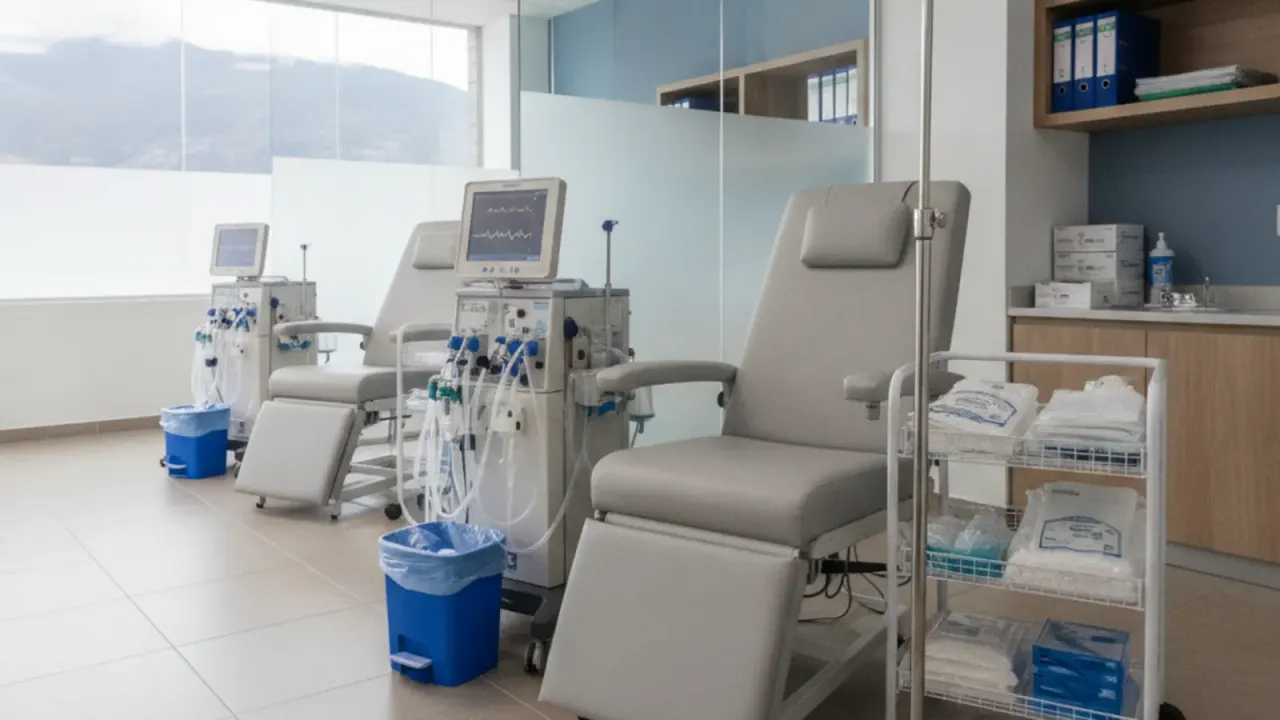
The healthcare context is significant. Around 20,000 people in Ecuador need dialysis or hemodialysis to survive. The treatment has been covered by the state since 2008 because it is classified as a catastrophic illness, but the public system does not have enough capacity to serve everyone. The report says 88%, or about 17,000 people, are referred to private clinics.
Each patient receives three four-hour sessions per week, according to the report.
Cendialcon’s financial pressure
Cendialcon closed 2025 with 261 patients, up 11.5% from the previous year. Its accounts receivable reached USD 5.71 million, an increase of 27.13% from 2024, while the average collection time reached 486 days. Primicias attributes the receivables pressure mainly to pending payments from the Ministry of Public Health and IESS.
Those figures place the acquisition in a wider operating context: patient demand, public payment cycles, and private-provider capacity are linked.
What this means for expats
The approval does not itself announce a change to patient contracts, prices, clinic locations, or access rules for foreign residents. The relevant point is system capacity. Expats who rely on private healthcare should watch the operating details of clinics they use, while businesses and analysts should watch how consolidation interacts with public reimbursements and provider liquidity.
The source does not publish the purchase price or a post-close operating plan. For now, the verified event is a regulator-approved acquisition inside a dialysis market that serves a large patient population and depends heavily on private facilities.
Source: Primicias
The transaction is a useful example of how Ecuador's private healthcare markets can depend on public-sector payment cycles. The competition authority focused on the private-complementary hemodialysis markets in Latacunga and Ambato, while the financial figures reported for Cendialcon show why liquidity is a central operating issue for providers serving publicly referred patients.
The patient numbers show the scale of the service. Around 20,000 people in Ecuador need dialysis or hemodialysis to survive. Because the condition is classified as a catastrophic illness, the state has covered the treatment since 2008. Yet the public system does not have sufficient capacity for everyone, and 88%, or about 17,000 people, are referred to private clinics.
That arrangement creates a recurring operational dependency. Each patient receives three four-hour sessions per week, according to the report. A clinic therefore needs dependable staffing, equipment, and cash flow at the same time. When public reimbursements are delayed, the provider can continue delivering treatment while the receivable grows on its books.
The figures for Cendialcon illustrate that pressure without revealing the purchase price. The company ended 2025 with 261 patients, an 11.5% increase from the prior year. Its accounts receivable reached USD 5.71 million, up 27.13% from 2024, and average collection time reached 486 days. Primicias attributes the receivables pressure mainly to pending payments from the Ministry of Public Health and IESS.
For patients and families, the immediate question is continuity at the clinics involved, not a change announced by the authorization itself. The source does not publish a new pricing schedule, patient-contract change, clinic relocation, or post-close operating plan. For businesses and investors, the more concrete watchpoints are future consolidation decisions, reimbursement timing, and whether the enlarged provider network changes capacity in the markets covered by the regulator.
More in Healthcare
View all →Ecuadorian Dialysis Patients Protest in Cuenca Amidst National Government Payment Delays to Treatment Centers
September 15, 2026
Ecuador Considers a USD 240 Million National Hospital-Information Platform
September 3, 2026
Ecuador Reports 28,652 Dengue Cases as Insecticide Resistance Rises
August 26, 2026
Keep practical Ecuador coverage free to read.
Reader support helps fund source monitoring, translation, editing, publishing, and national coverage for expats across Ecuador.
Need health insurance in Ecuador? EcuaInsure compares local plans and helps you enroll. Learn more →
Comments
No comments yet. Be the first to share your thoughts!