Breaking news, politics, economy, visas, safety, and lifestyle updates for expats living in Ecuador.
A civil-society observatory reports that 2,143 children and adolescents were reported missing in Ecuador in the first half of 2026, with 273 still not found and unresolved cases up 137% from the same period in 2025.
Ecuador's tax authority has created a mandatory registry for electronic-invoicing system providers. Businesses and taxpayers using third-party billing platforms will also have a new RUC-identification requirement once the resolution is published.
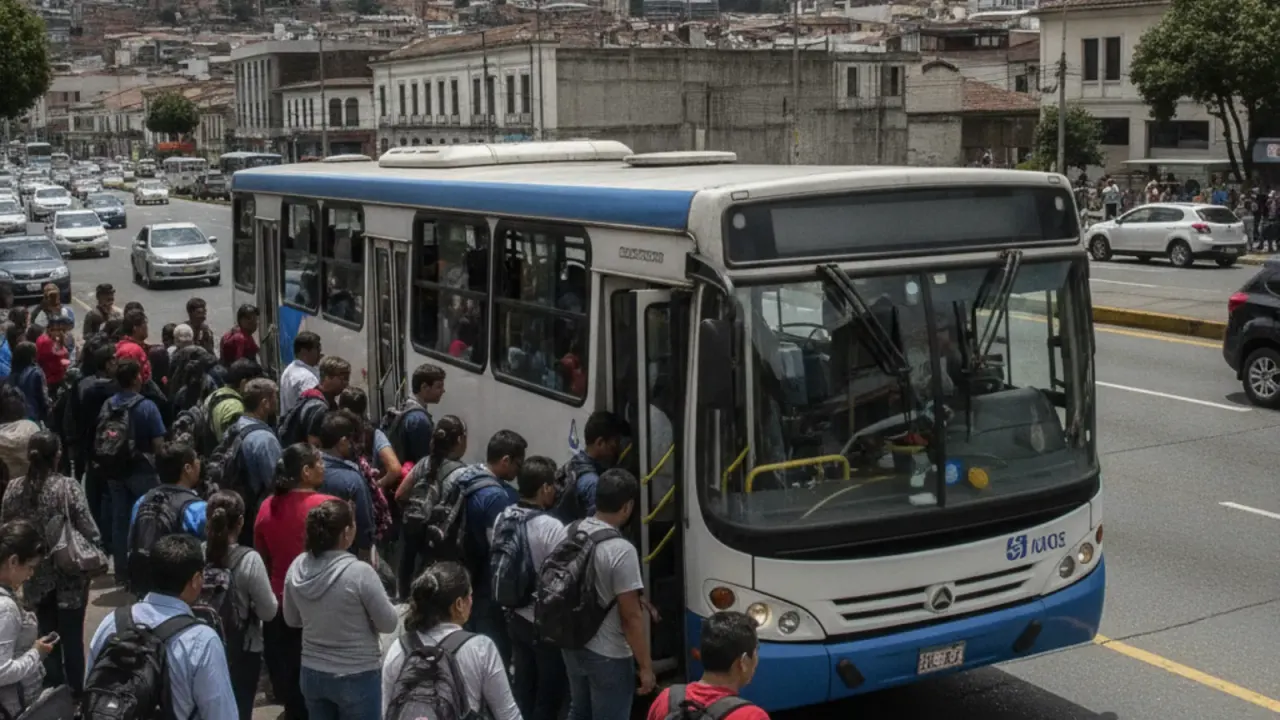
A proposal to raise Quito's bus fare from 35 to 40 cents on January 1, 2027 drew criticism from council members and 23 citizens. The debate now turns on service quality, transparency, and compensation for operators.
Ecuador's largest credit cooperatives still have delinquency above pre-recession levels. The pressure is strongest in microcredit, the segment tied most directly to small businesses and vulnerable borrowers.
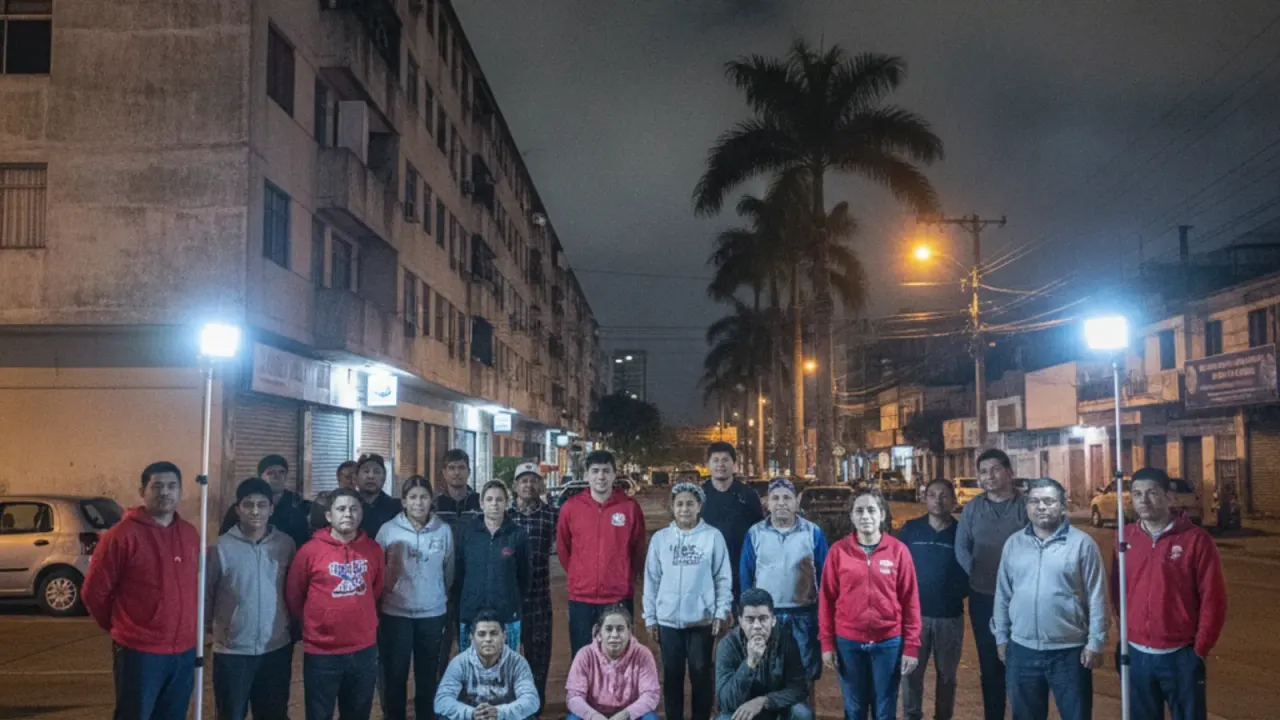
A 2026 IAEN study puts Ecuador's annual violence cost above USD 12.2 billion, or USD 1,127 per person. The burden shows up in households, companies, tourism, exports, and public budgets.
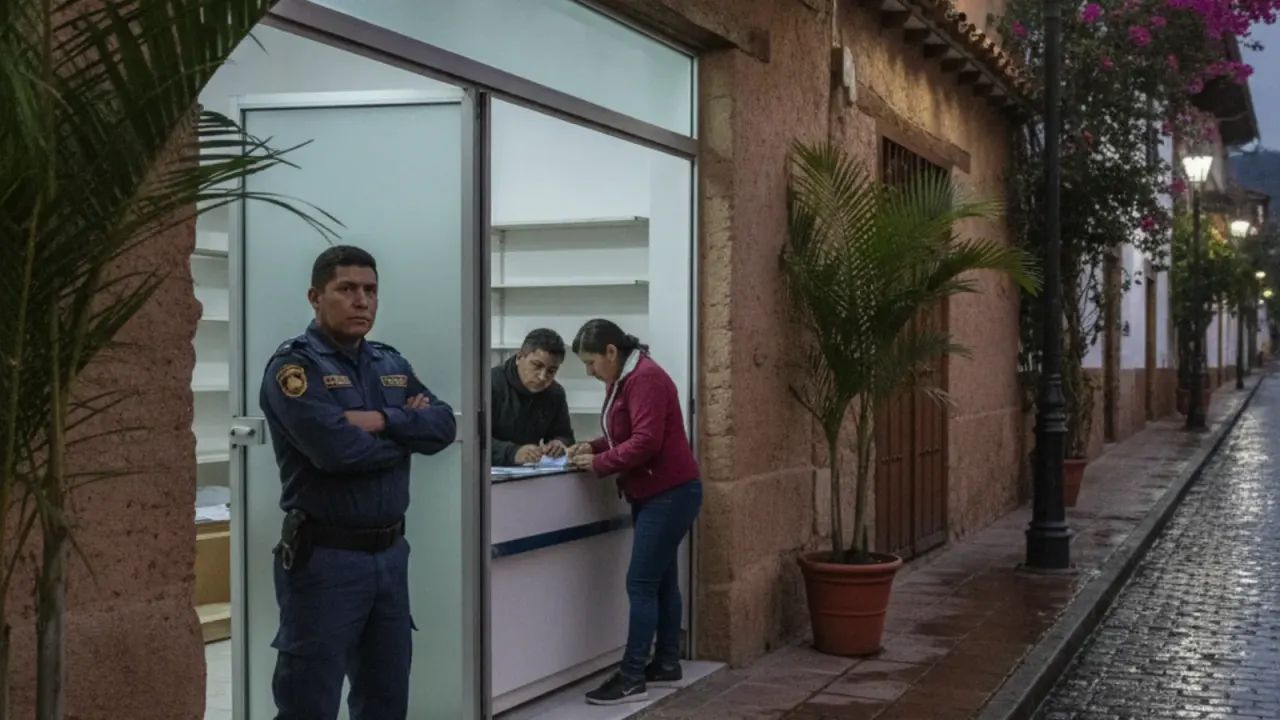
Ecuador says its plan to buy medicines from India is now in Arcsa homologation, with a roadmap defined with India’s government. The plan matters for expats because medicine access, pharmacy prices, and public-health procurement all show up in everyday life.
A magnitude 4.3 earthquake was recorded in Guayas late Sunday night, with the epicenter confirmed in Duran. Authorities reported no injuries or infrastructure damage, but the tremor was felt in 17 cantons across Guayas, Bolivar, and Los Rios.
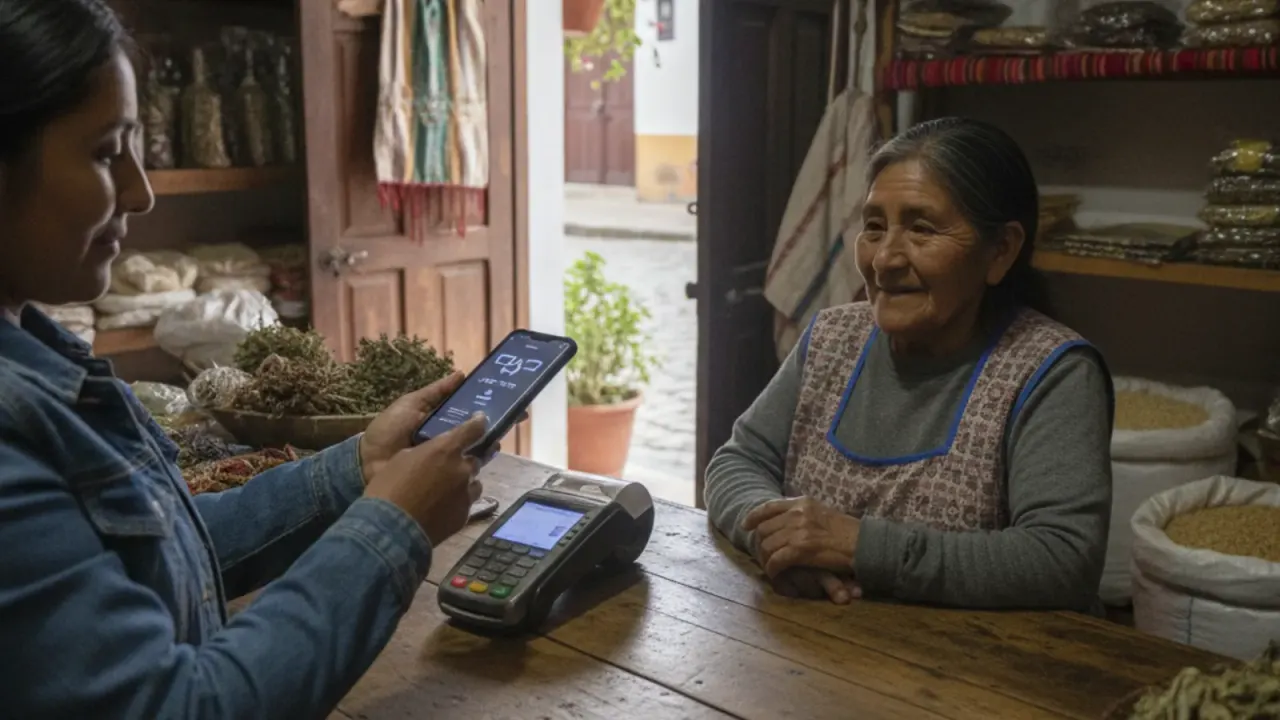
Electronic payments are becoming more common in Ecuador, while cash withdrawals from savings accounts fell 22% in 2025. For expats, the shift matters at pharmacies, restaurants, markets, banks, and small shops.
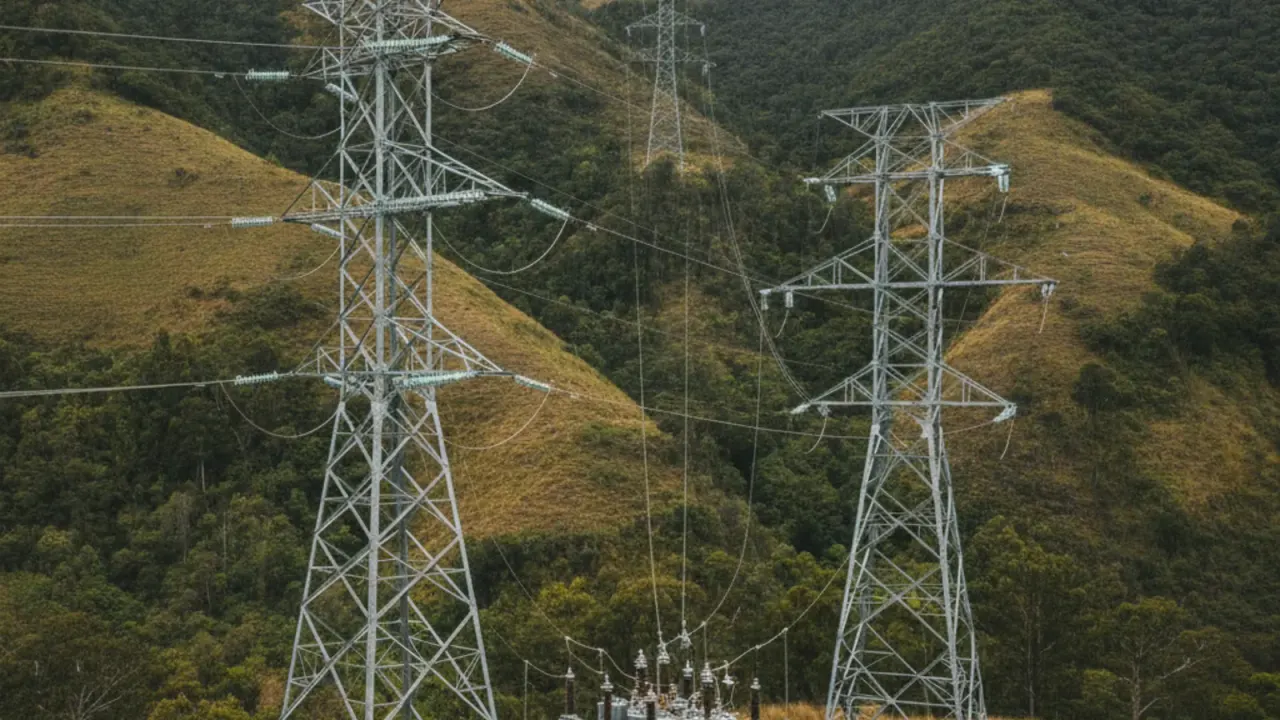
Ecuador expects to import electricity from Colombia during the dry season, but Colombia is warning about its own demand growth, delayed projects, and lower reservoir water. The issue matters because Ecuador could face a severe-drought deficit of 1,300 MW.
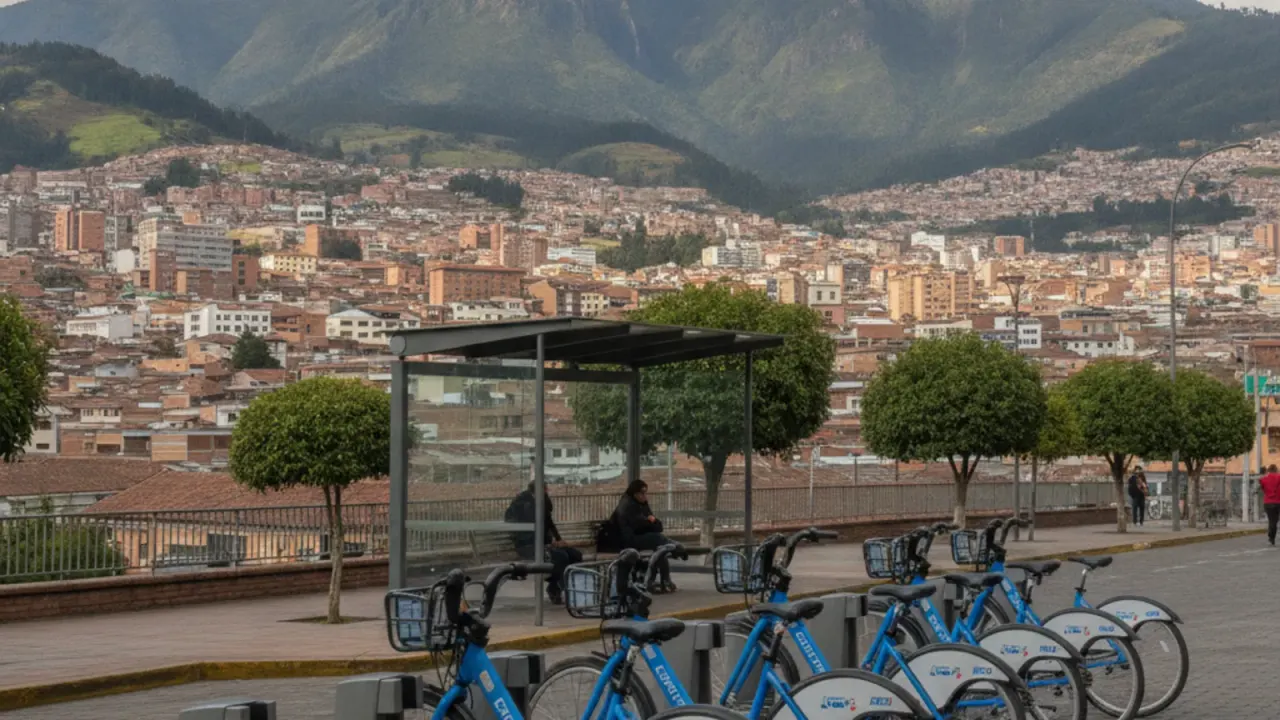
Quito says its free public bike system will begin operating between July 28 and July 30. The new QuitoBici network includes 250 bicycles, 25 stations, GPS tracking, and links to Metro, Trole, and Ecovia routes.
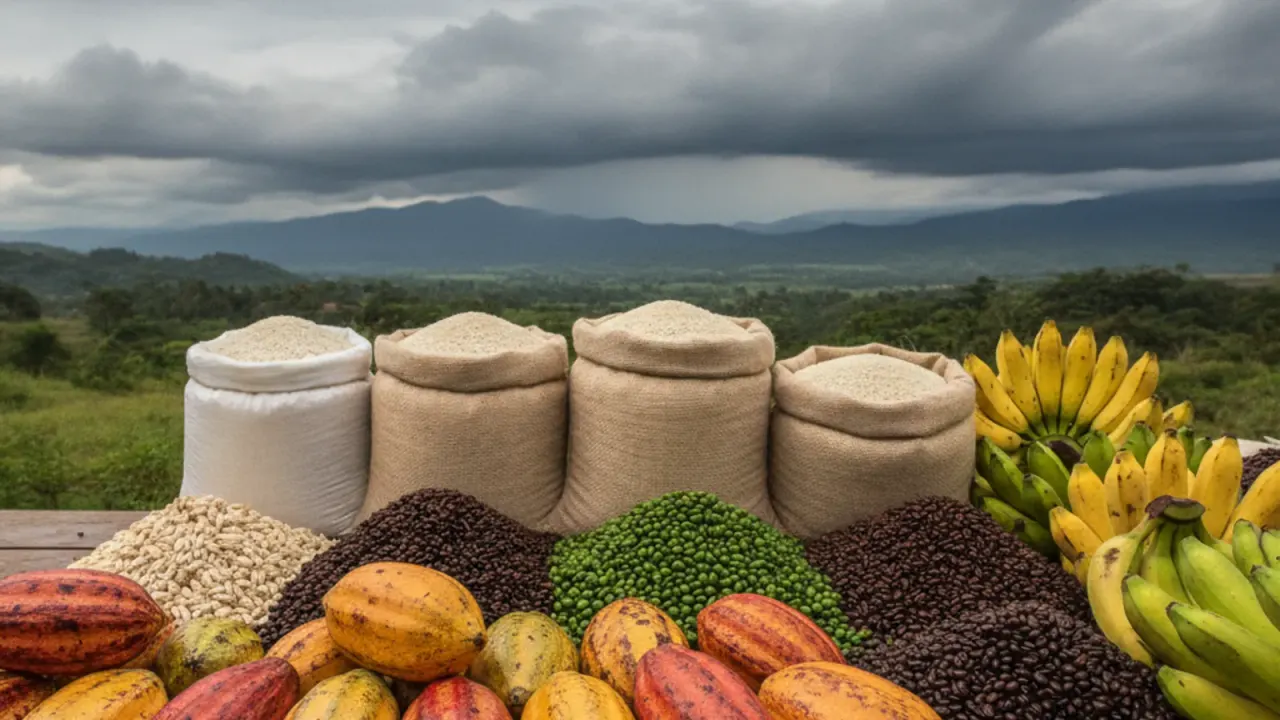
Cacao, coffee, bananas, and rice are all under market pressure as El Nino risk rises. The immediate story is export pricing, but the longer-term watch point is food-cost pass-through over the next 12 to 20 months.
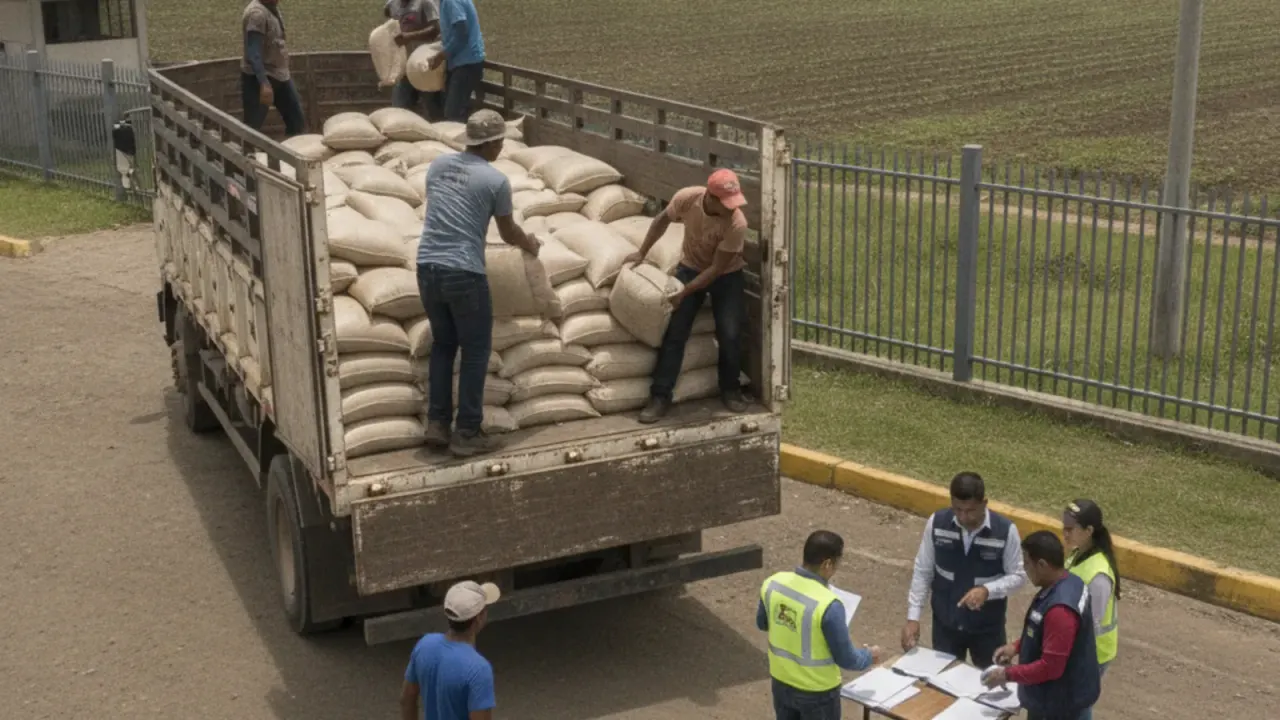
Colombia has begun issuing rice import permits after nearly five months of suspended land trade. Ecuador’s rice sector expects a gradual restart, with private projections above 50,000 tons for the rest of the year.