Breaking news, politics, economy, visas, safety, and lifestyle updates for expats living in Ecuador.
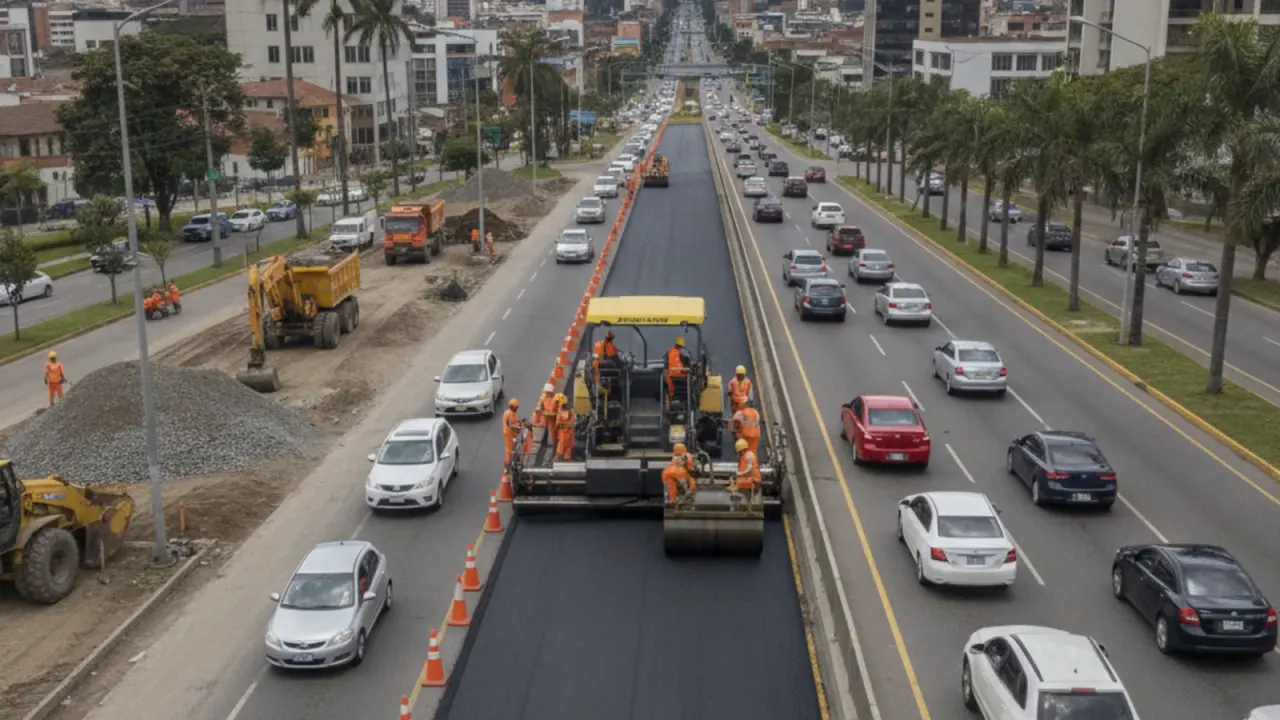
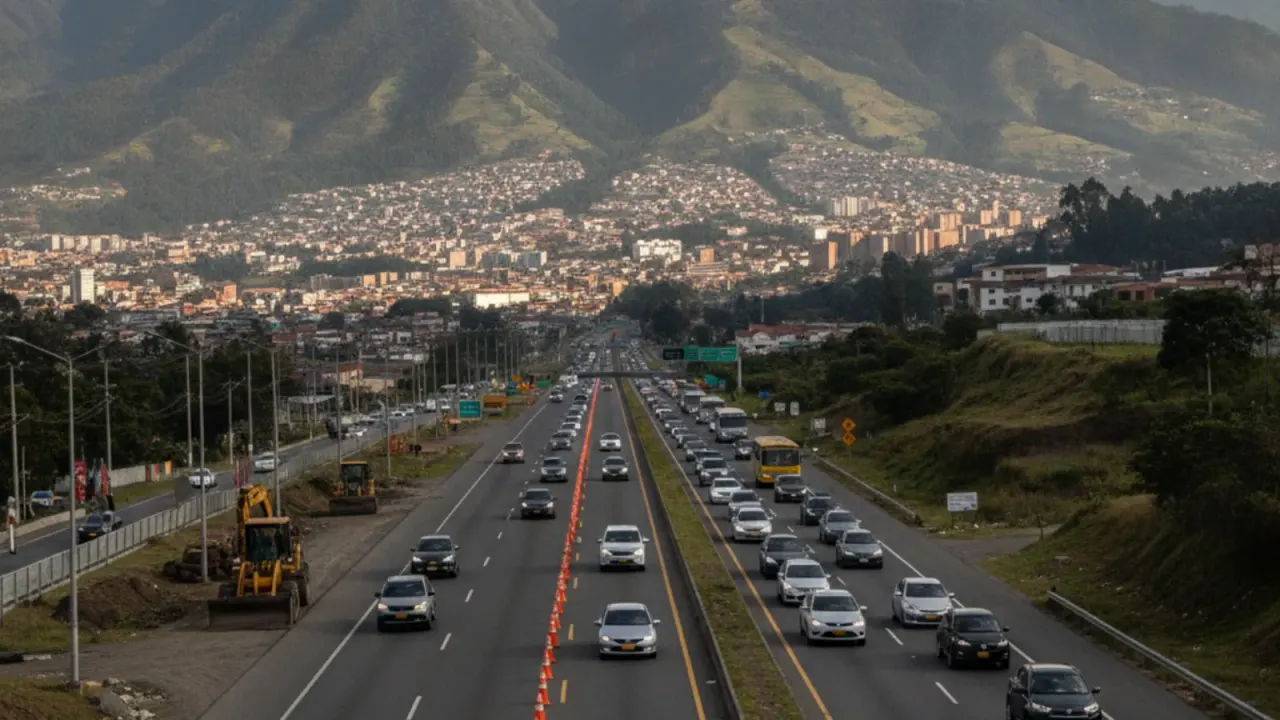
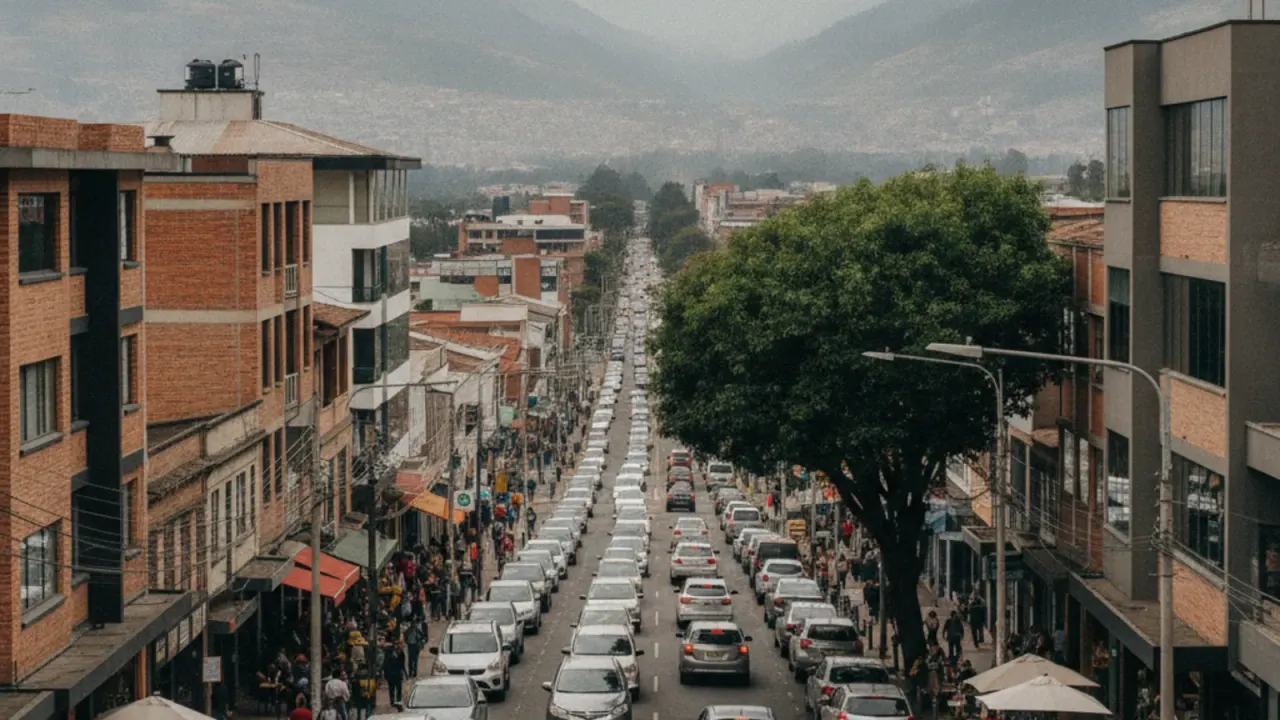
Work begins July 27 on Avenida 12 de Octubre between Cristobal Colon and Tarqui. The 70-day project affects the center-north of Quito, with alternate routes planned for private vehicles and public transport.
Repaving work starts July 24 and runs through August 25, affecting a major northern Quito access corridor in two phases.
Ecuador and Canada signed their trade agreement in Ottawa on July 24, bringing a 26-chapter framework covering goods, investment, customs, and digital commerce.
Oil-export income reached USD 1.561 billion by July 23, nearly matching the USD 1.585 billion recorded in all of 2025.
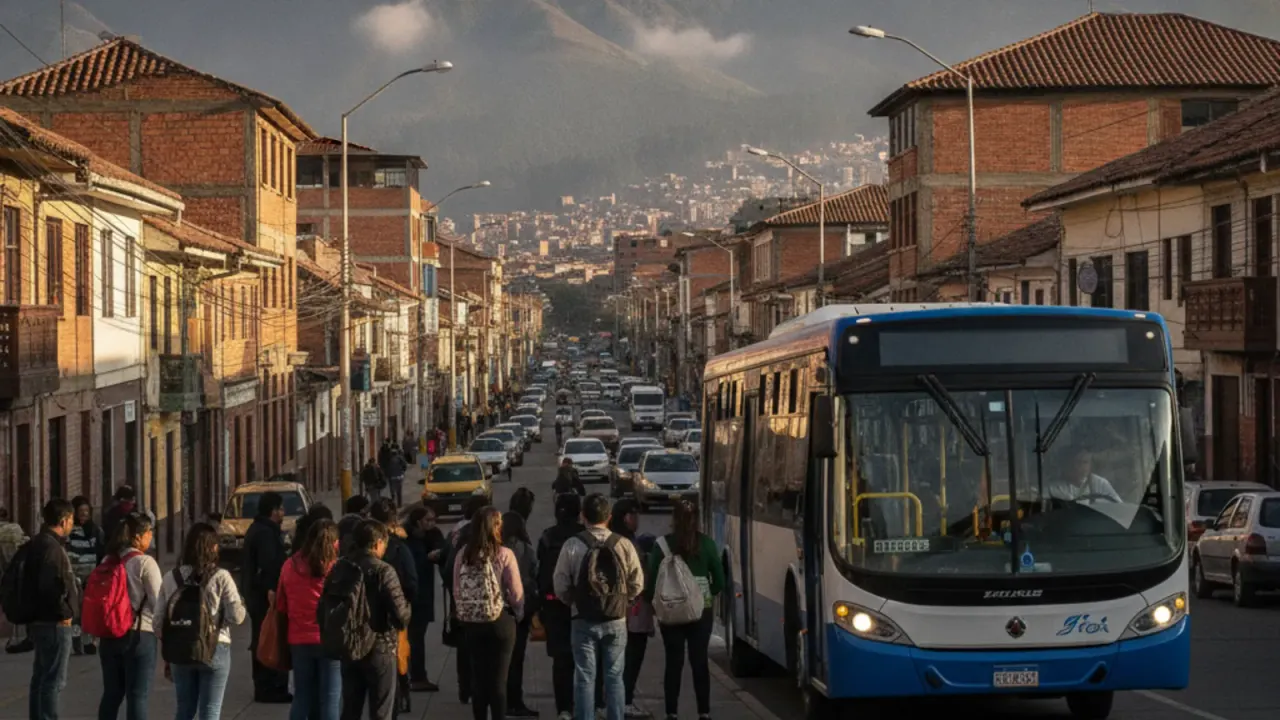
Quito is debating a transit ordinance that would set an urban bus fare of USD 0.40 from January 1, 2027, subject to council approval. The proposal also outlines rural variable fares and a USD 0.45 electric-bus fare.
Ecuador consumed 3% less gasoline overall in the first half of 2026, while Extra demand fell 8%. The report links the decline to higher prices, household pressure, and temporary supply shortages.
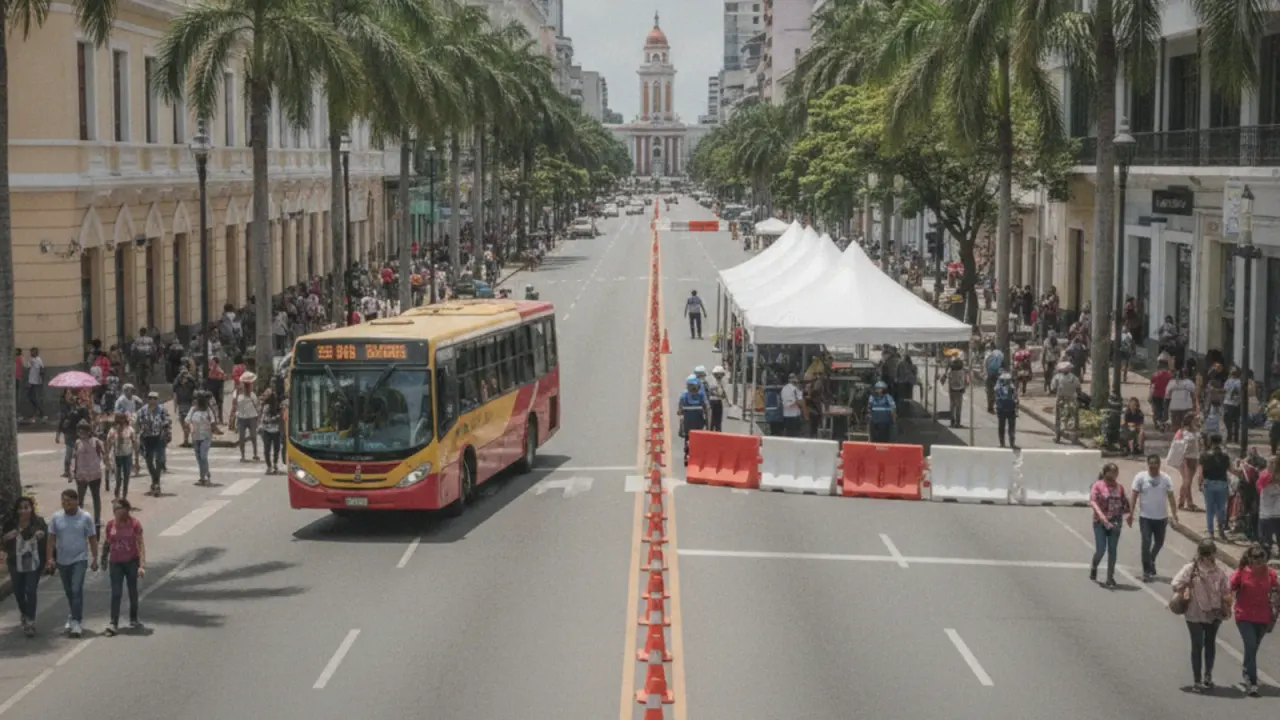
Central Guayaquil road closures are in effect for July civic events, including a full closure of 9 de Octubre and a Malecón closure through Saturday morning. Travelers are being advised to plan ahead and use alternate routes.
Cumbayá’s regulated parking system has 674 spaces while an estimated 30,000 vehicles use parking throughout a typical day. Local officials have proposed a parking structure with more than 480 spaces, but say they have not yet received a response from Quito’s municipality.
Ecuador moved from yellow to orange alert for El Niño conditions after national emergency officials reviewed current meteorological conditions. The measure covers 17 provinces, 143 cantons and 491 parishes.
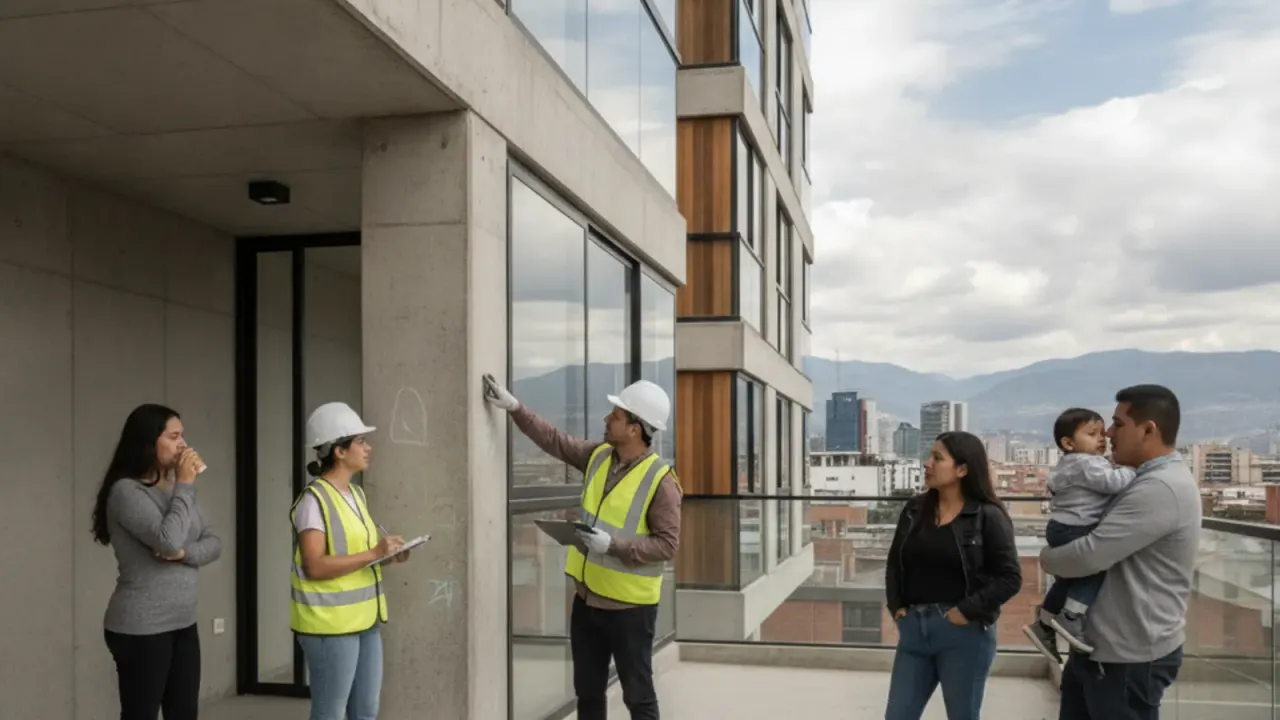
A new report warns that only 30% of buildings in Ecuador comply with anti-seismic construction standards. The risk is tied to weak enforcement, informal construction and geological faults, especially in large cities such as Quito and Guayaquil.
Workers in Ecuador may have reserve funds equal to 8.33% of salary accumulated in an individual IESS account. The right begins in the second year with the same employer, and balances can be checked online with a cédula and personal password.
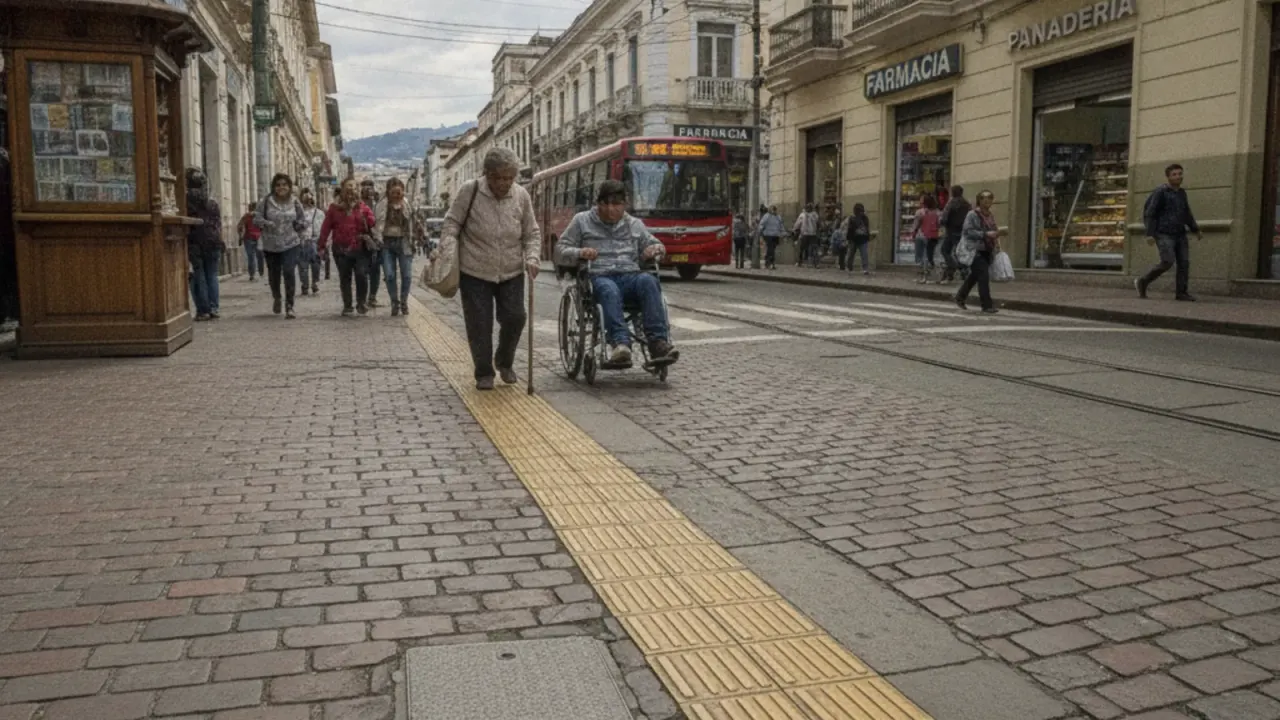
Quito has at least 72,020 residents with disabilities, but damaged sidewalks, missing signage, broken tactile guides and informal commerce still make daily mobility difficult. The issue affects people with disabilities, older adults, parents with strollers and everyday pedestrians.