Breaking news, politics, economy, visas, safety, and lifestyle updates for expats living in Ecuador.
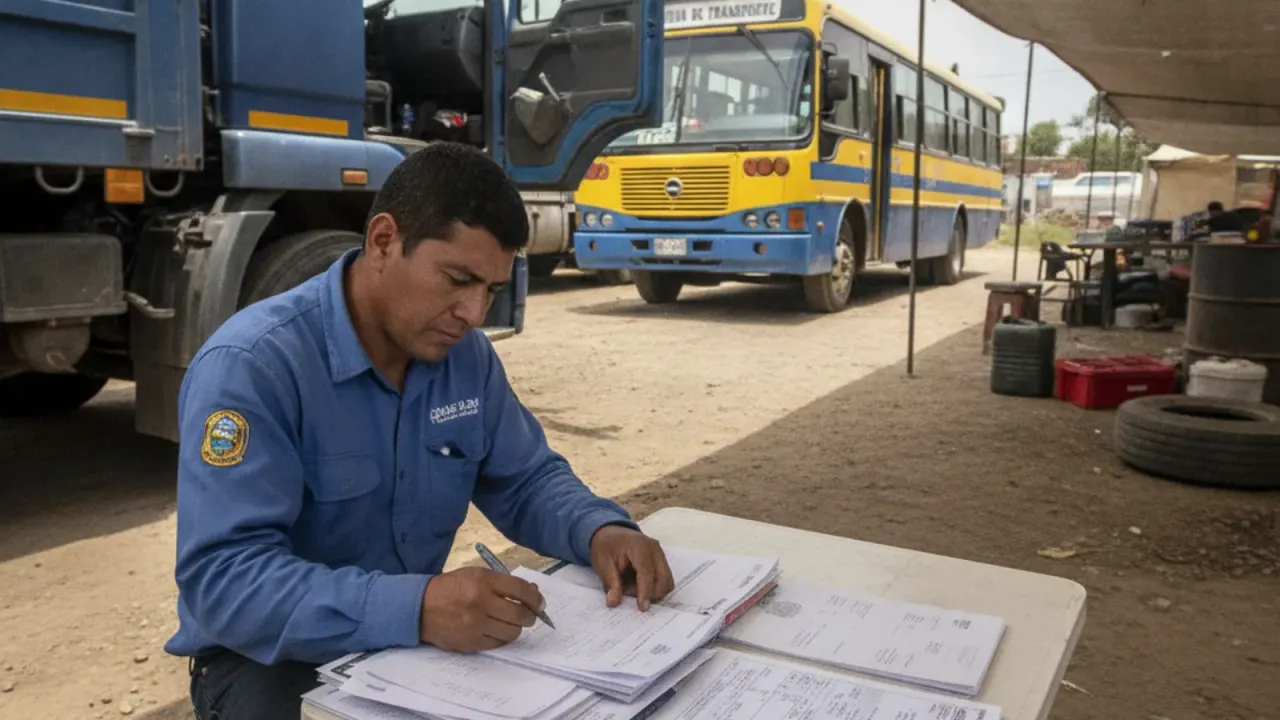
Commercial transport taxpayers, excluding taxis, have until December 31 to update the RUC and adapt electronic invoices to include vehicle plates.
Executive Decree 461 changes Ecuador’s public-procurement rules, including a registration right for RUP participants and a 0.4% retention on contracts or orders of at least USD 1 million.
Ecuador is discussing possible additional IMF financing through the Resilience and Sustainability Facility, while the Finance Ministry says the 2026 program is already funded and no decision has been made.
Pichincha’s provincial government says it will eliminate and merge departments and remove 125 positions while complying with the post-COOTAD reform framework.
Quito’s municipality and 15 higher-education institutions agreed to a 10-part security plan covering command posts, public-space controls, alcohol sales, licensing, and prevention programs.
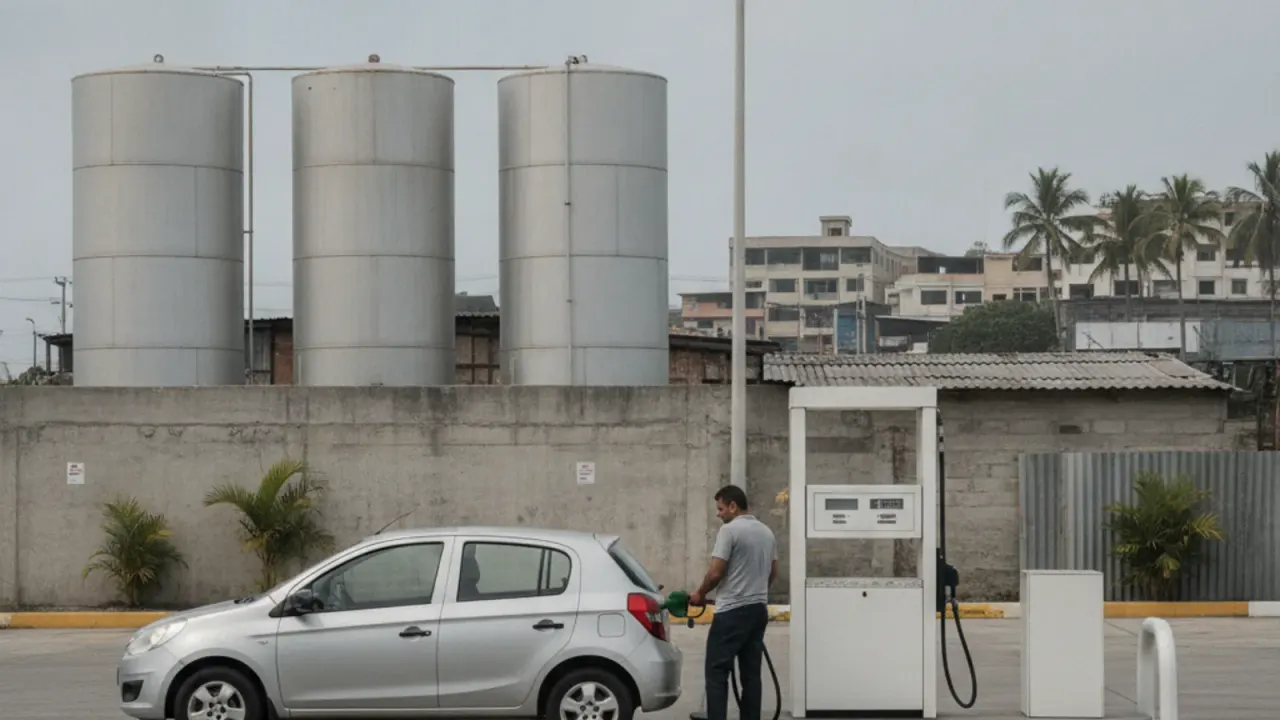
International diesel and gasoline benchmarks rose sharply in July, reducing the chance of another exceptional price reduction in Ecuador in August. The next domestic adjustment is due on August 12.
New customs reforms took effect July 29 and expand the circumstances in which goods can be declared abandoned. The rules include a one-month deadline after detention for tourists seeking to regularize or recover temporarily imported vehicles.
Guayaquil's transit agency says urban operators cannot raise fares yet, despite notices claiming a 50-cent fare would begin July 30. The current authorized fare remains 30 cents while vehicle reviews are prepared.
Archaeological monitoring at Quito's former San Lazaro Hospital uncovered 11 fired-clay vessels beneath the western cloister. The discovery comes during a restoration of the 7,000-square-meter historic complex.
Ecuador's national transit board approved a 25% adjustment for interprovincial and intraprovincial passenger fares. The measure is tied to transport-cost pressure and applies over the fare table in force since 2021.
BIESS says its Credicasa housing loan requires a minimum credit score of 650, with financing of up to USD 65,000 for a first new home and a maximum term of 30 years.
Ecuador's economy has shown growth in 2025 and early 2026, but informality remains above 60% of the labor force and only about three in 10 Ecuadorians have adequate employment.