Breaking news, politics, economy, visas, safety, and lifestyle updates for expats living in Ecuador.
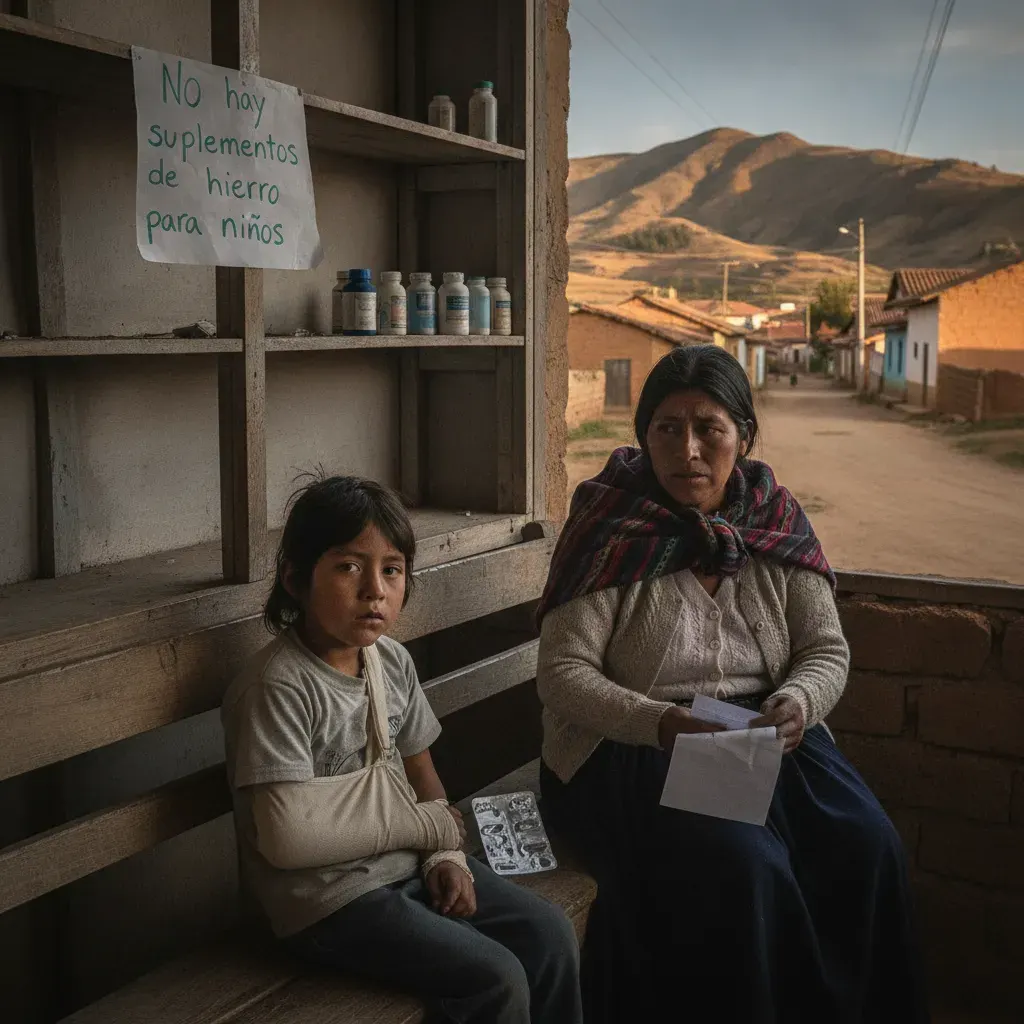
The Ministry of Health’s central warehouse and two provinces had zero stock of iron supplements in the reported data, while national demand reaches 112,542 children.
The new Cuadro Nacional de Medicamentos Básicos increases the catalog from 494 to 512 active ingredients and will take effect during 2026 after official publication.
La Hora reports that fraudulent ANT messages are still using real personal details, including a fake traffic fine claiming a 30% increase and a USD 47 payment. Foreign residents should verify traffic notices through official channels.
Ecuador’s average effective credit rate fell from 12.81% to 11.58% year over year, while the August reference rate is 6.79%. The biggest reductions are showing up in corporate, SME, and microcredit segments.
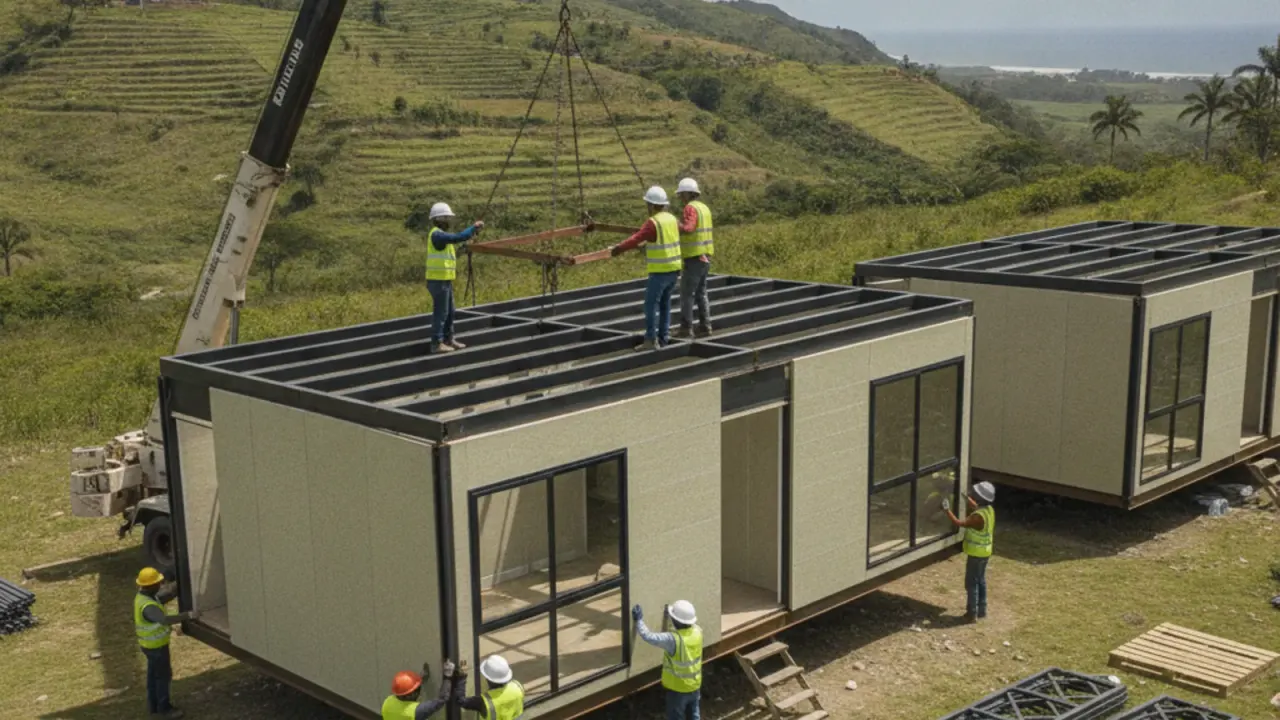
Eternit plans to launch 57-square-meter homes priced between USD 22,000 and USD 25,000 by the end of 2026. The project arrives as Ecuador’s housing credit portfolio grows 6.1% annually.
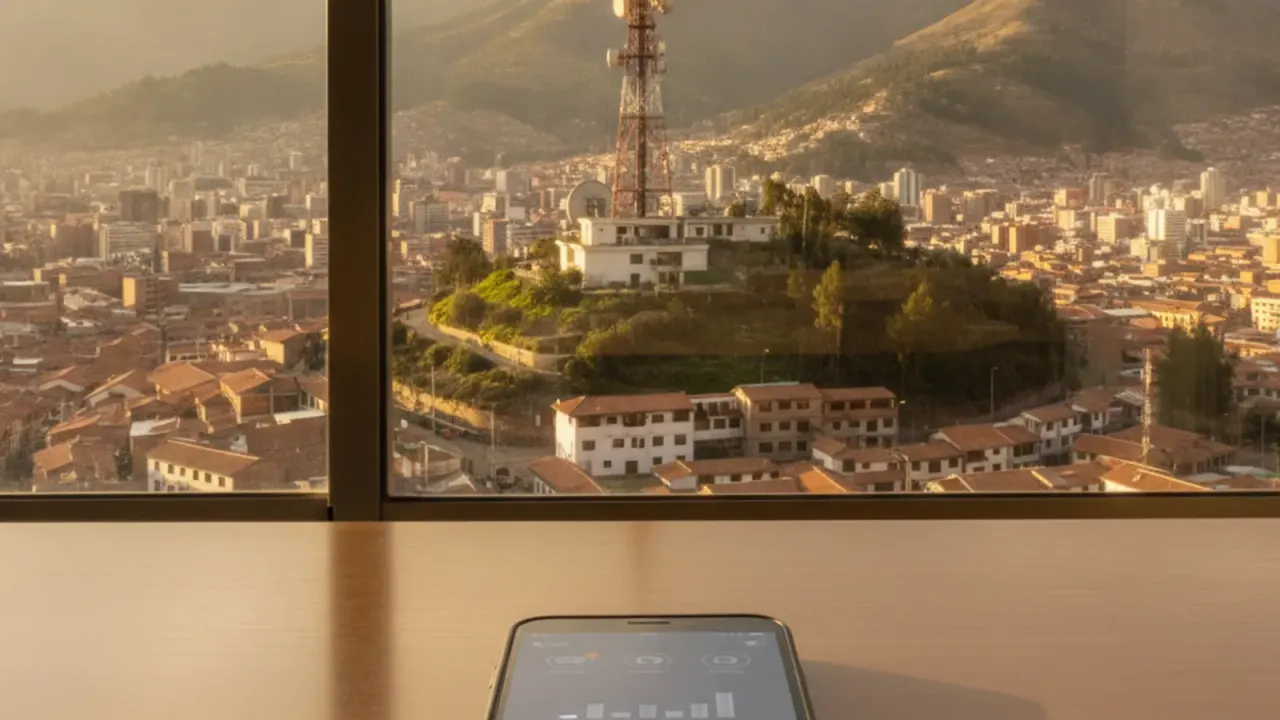
Tigo says Movistar and Tuenti users will keep their numbers, plans, chips, payment methods, and channels of service while the brands transition.
A rule that took effect on August 3 requires registrars to verify payment details for qualifying transactions and moves larger obligations toward financial-system payment methods.
The EducaEmpleo application window is limited to August 4 and 5. Applicants need a third-level degree registered in SNIESE and additional credentials for bilingual or English positions.
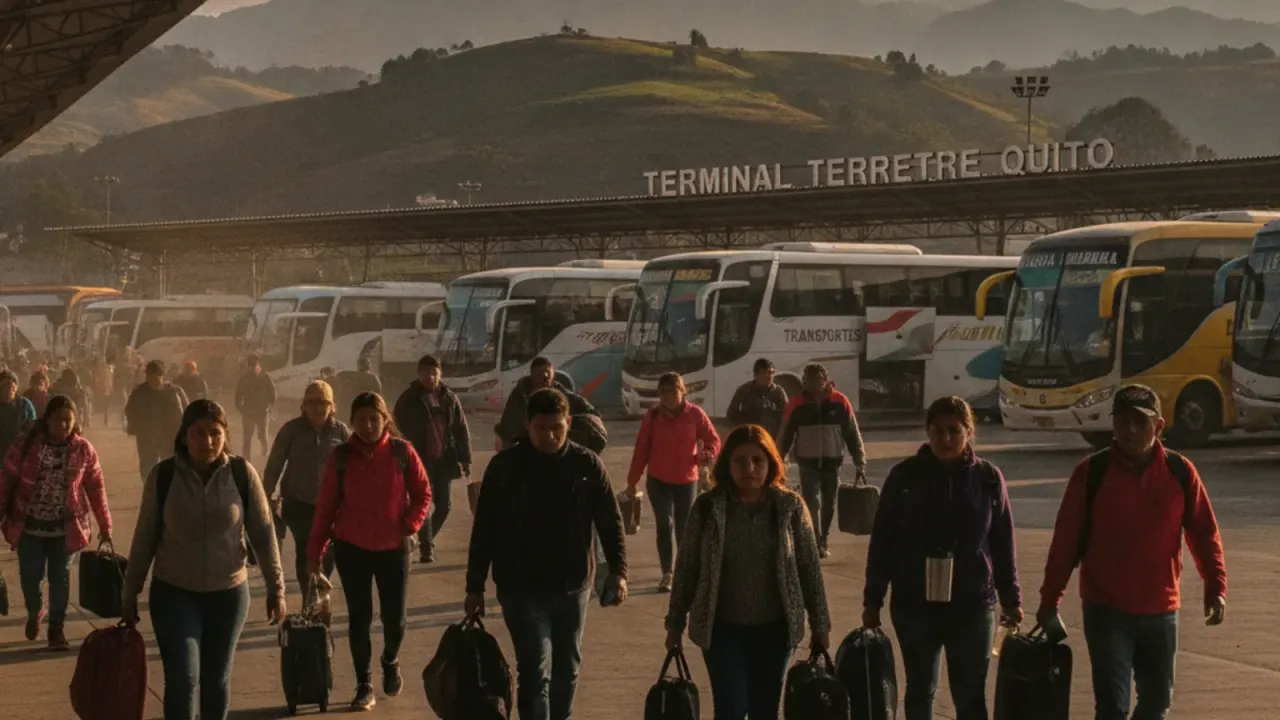
Esmeraldas and Chone have local holidays on Friday, August 7, while the national August 10 holiday creates a three-day weekend for most of Ecuador.
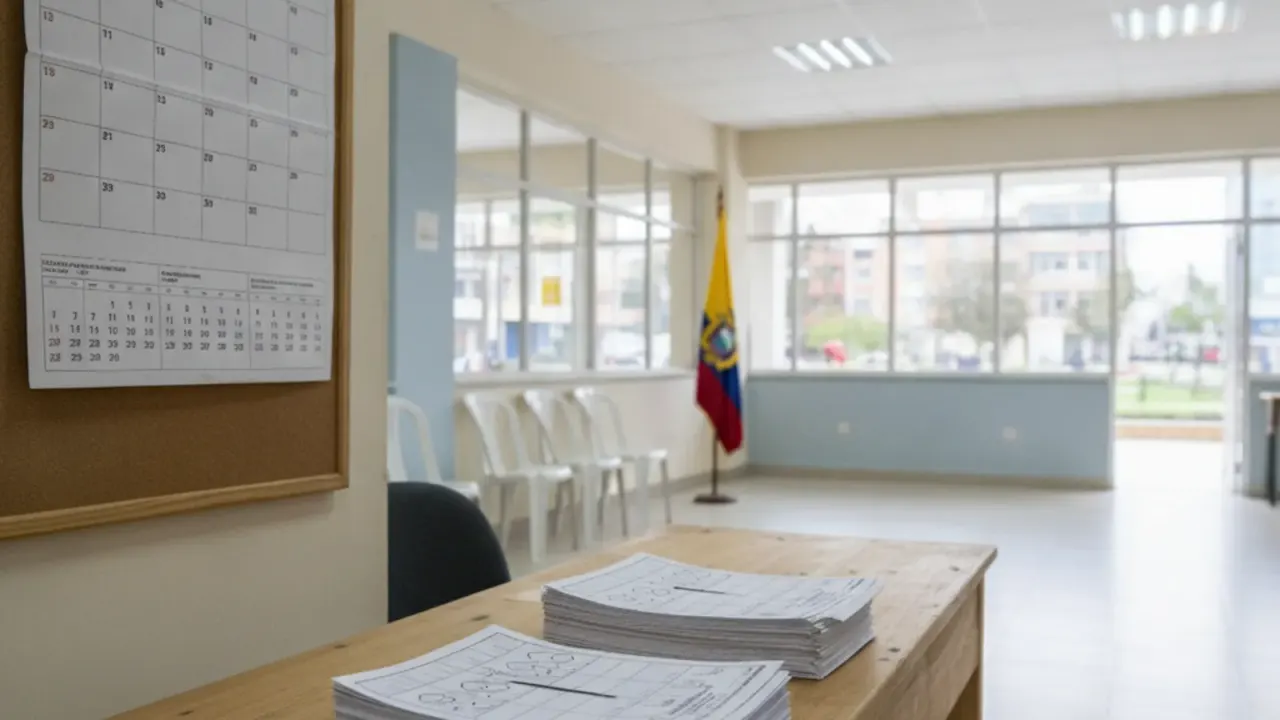
The CNE called Ecuador’s local elections and set candidate registration for August 2 through August 17, with voting scheduled for November 29.
Inamhi warned of high to extremely high solar radiation on August 2, with Pichincha and Imbabura at the highest level on the published scale.
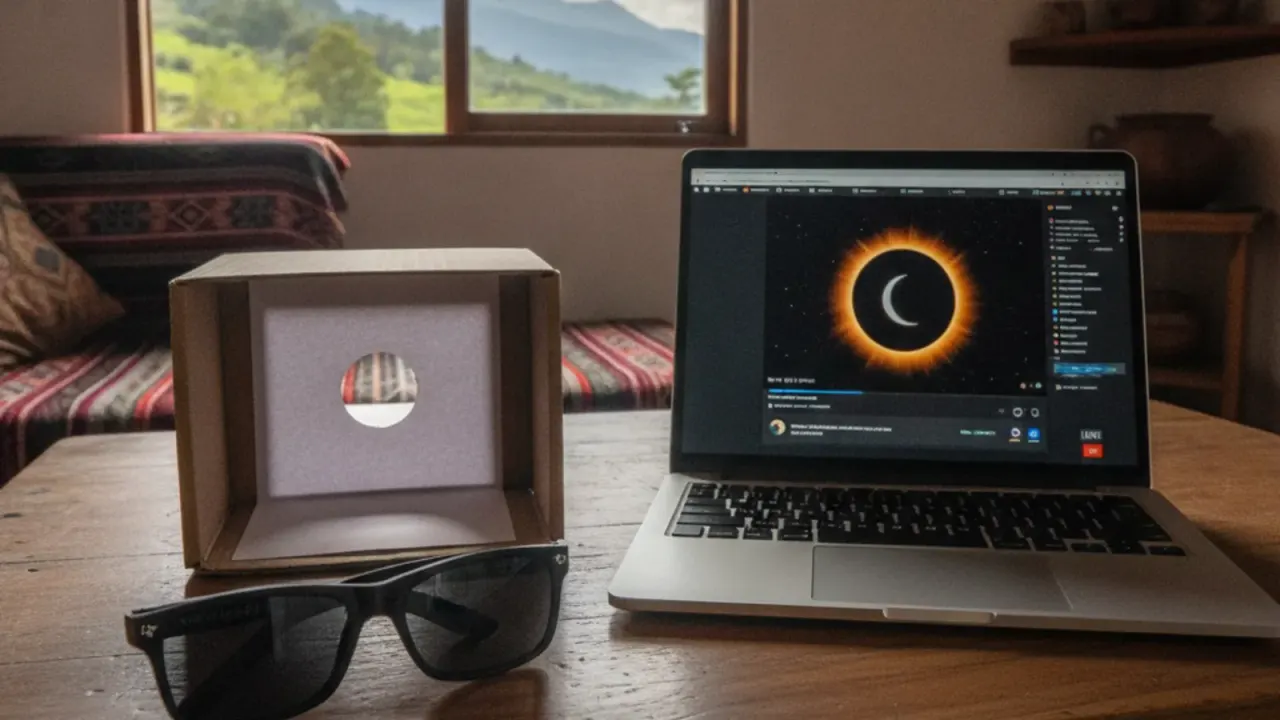
The August 12 total eclipse will not darken Ecuador, but residents can follow NASA’s official livestream and should use certified solar-viewing equipment.