Breaking news, politics, economy, visas, safety, and lifestyle updates for expats living in Ecuador.
Ecuador's state-owned telecom CNT has begun installing 5G base stations in Cuenca as part of a 422-station nationwide rollout built with Nokia. Speeds up to 1.5 Gbps are expected by mid-year.
Municipal employees across at least 15 cantons in Loja province are owed between two and four months of back pay. The crisis affects services in the Vilcabamba valley, where road maintenance and building permits are delayed.
A ruptured sewage main in Malacatos discharged untreated wastewater into the river for three days. Downstream communities including Vilcabamba are under a boil-water advisory. Here's what expats need to know.
A 2023 municipal risk reassessment has frozen construction in some of Manta's most desirable coastal neighbourhoods. Property values are down 15-25% in affected areas, and foreign buyers are walking away from deals.
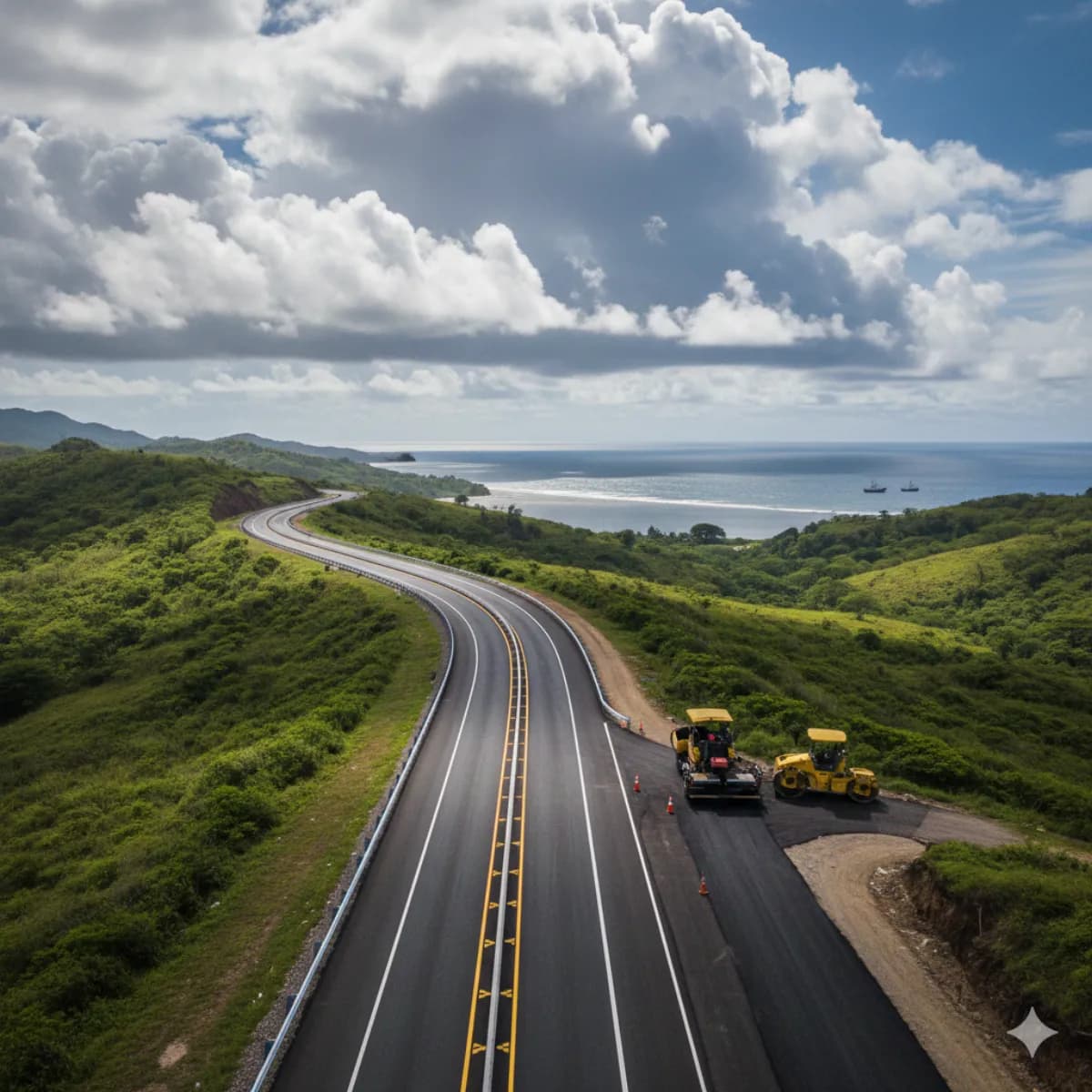
The 18 km Chone-Bahia road is 92% complete, with full reopening expected by early March. Tourism dropped 30-35% during the two-year construction period. Here's what to expect.
Ecuador's largest coastal carnival runs February 14-18 with a 14 km parade route, international music, and a new beachfront food festival. Hotel occupancy is projected at 94%.
Quito is building a 400-space underground parking structure, installing 280 LED lights, and adding 65 security cameras to the city's most-visited park. Construction starts in April.
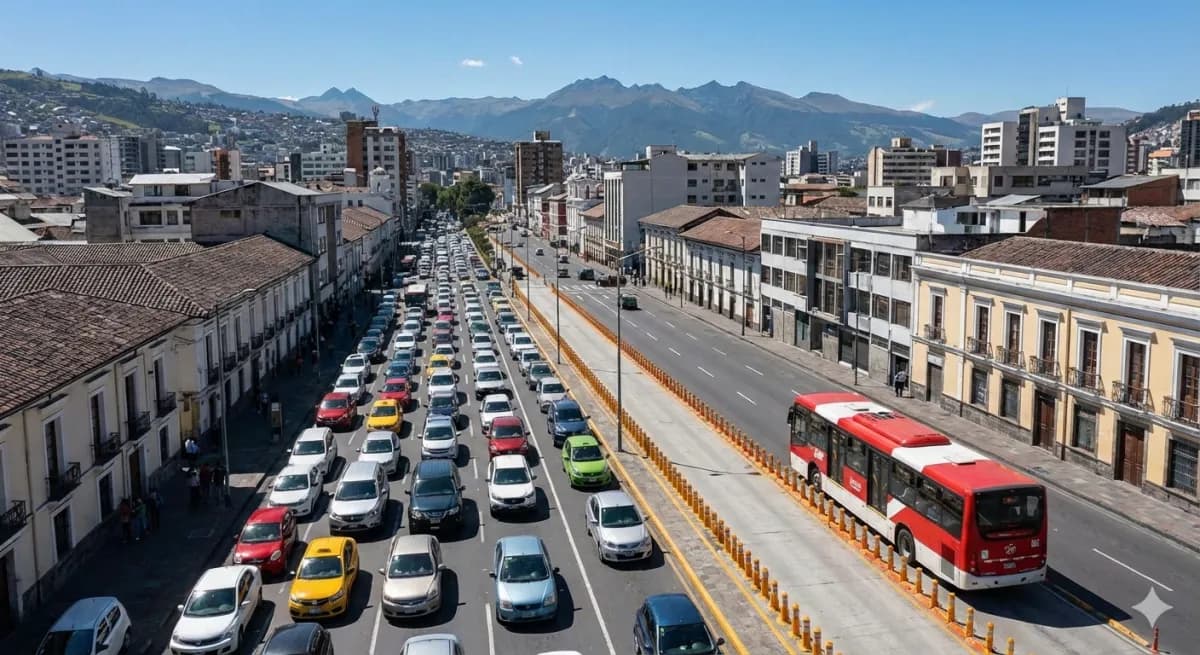
Three major north-south corridors will get exclusive bus lanes by Q4 2026, complementing the Metro de Quito. The $28 million project aims to serve 180,000 daily passengers.
Three months after launch, Latin America's highest-altitude metro is beating ridership projections by 22%. Traffic on parallel routes is measurably declining. Here's what the numbers show.
Ecuadorians bought 11,342 vehicles in January 2026, the best January on record. Electric and hybrid vehicles now account for 22% of all sales. Azuay was the third-biggest market in the country.
Ecuador signed a bilateral mining framework with the United States at the inaugural Critical Minerals Ministerial on February 4. The agreement positions Ecuador's copper and gold reserves as strategically important to Washington -- and adds fuel to the mining debate in Azuay.
High-level negotiations in Quito on February 6 ended without resolving the mutual 30% tariffs between Ecuador and Colombia. Both countries are blaming each other. Here's what it means for prices, energy, and daily life.