Breaking news, politics, economy, visas, safety, and lifestyle updates for expats living in Ecuador.
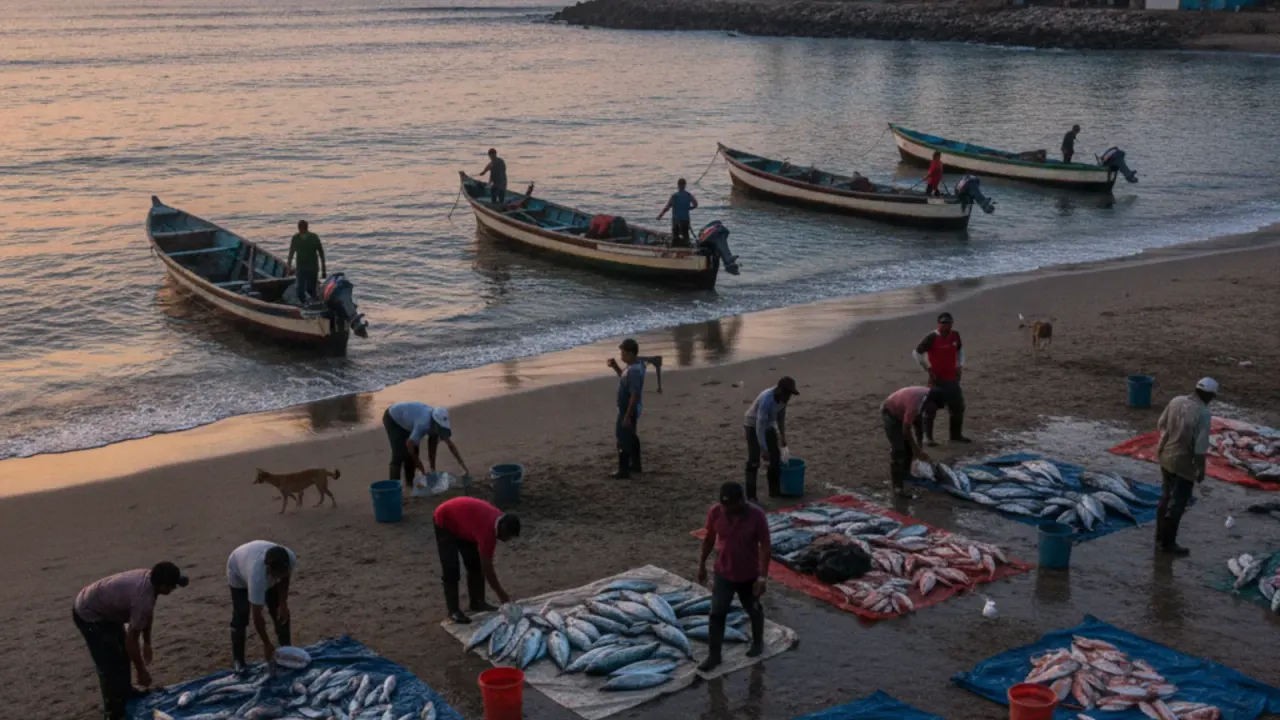
Warmer sea temperatures are changing fishing patterns on Ecuador's coast, with Ecuavisa reporting longer trips, scarcer fish, and higher albacore prices in Santa Elena. The effect is reaching municipal markets and household food costs.
The Ministry of Labor is holding its Encuentra Empleo fair at the Instituto Tecnologico Bolivariano on August 21. Applicants can bring an updated resume and meet participating employers from 8:00 a.m. to 4:00 p.m.
Ecuador is adding or restoring five direct routes in 2026, while passenger growth remains modest. Cuenca–Quito is already one of the country’s busiest domestic corridors, and a Cuenca–Chiclayo route is still only a proposal.
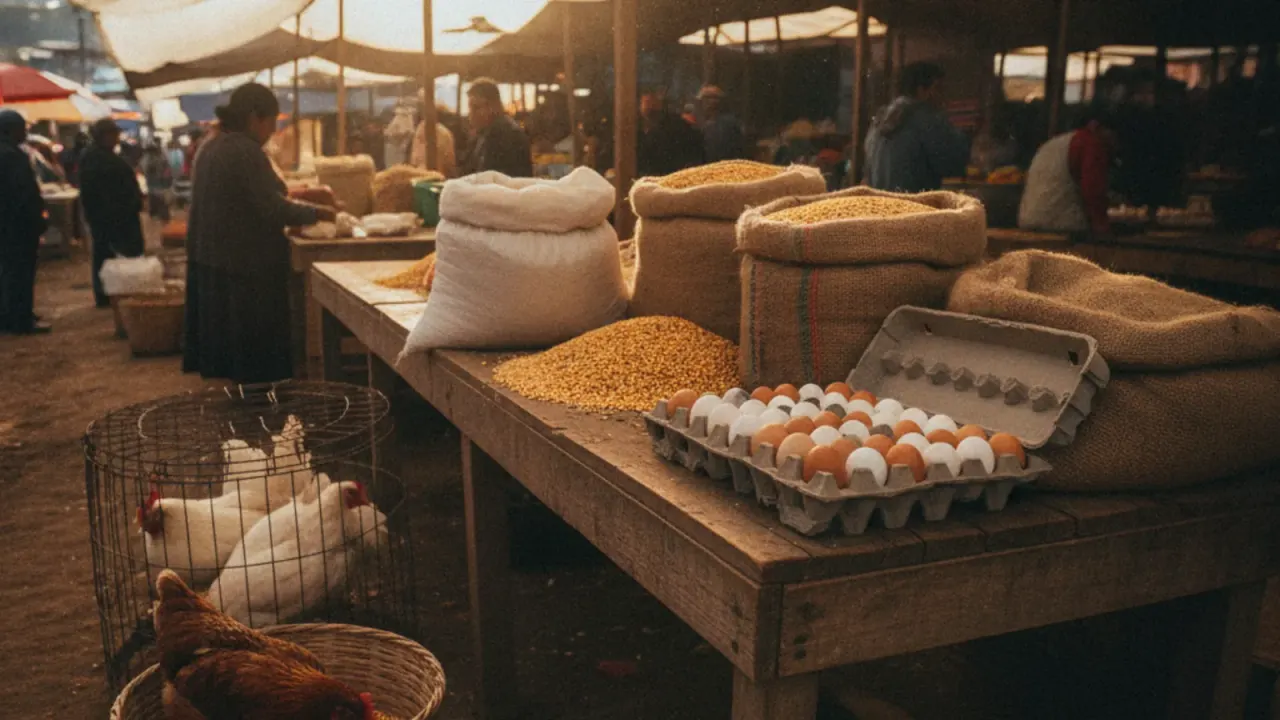
A 30-egg carton rose about 20% between July and August, with some markets above USD 4.50. Producers point to lower output, feed costs, and demand from Peru.
More than 20 Ecuadorian companies joined a program on biodiversity finance, including firms from agriculture, aquaculture, forestry, circular economy, and ecotourism. The program covered credits, biodiversity bonds, and ESG reporting, building on Banco Bolivariano's prior USD 80 million blue bond and USD 120 million biodiversity bond.
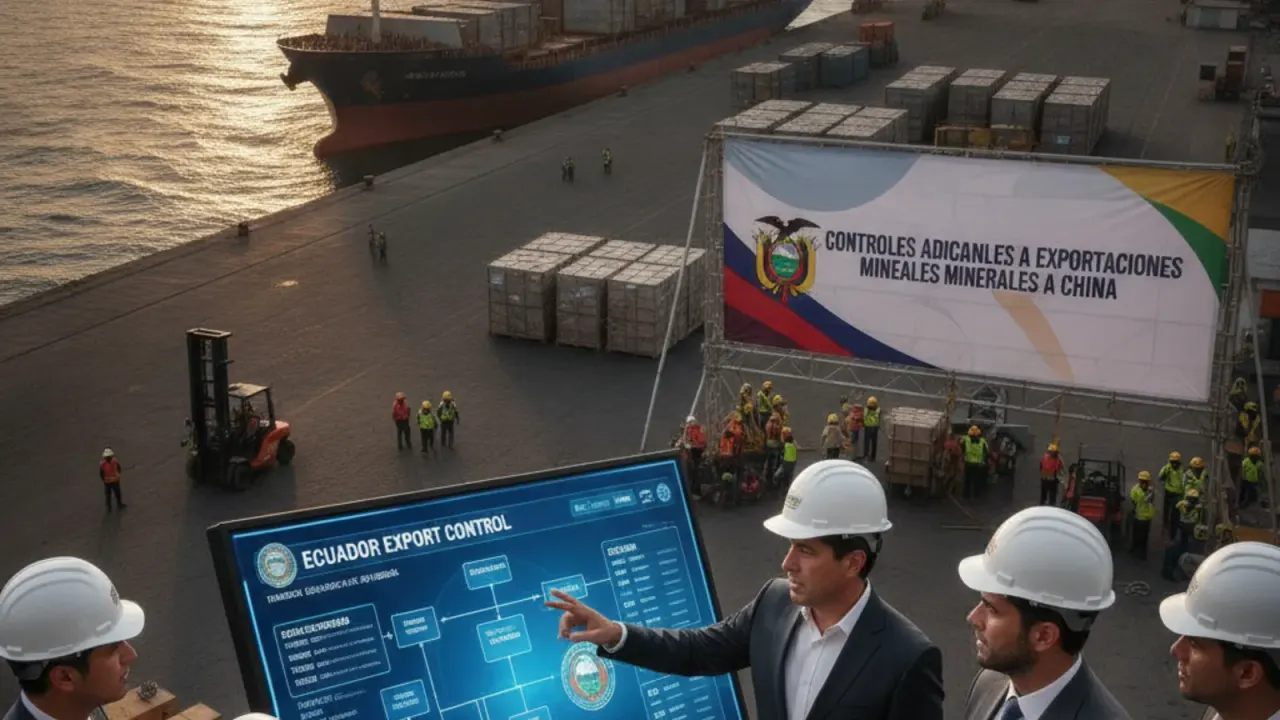
Ecuador now requires sampling and technical verification before processed mineralized material headed to China can be exported or commercially transferred. The measure covers gold and copper and arrives as China accounted for 94.73% of Ecuador’s copper-concentrate export volume in the first half of 2026.
More than 21,000 IESS affiliates accessed unemployment insurance from January through July 2026. The benefit is paid over five months, but the two available options trade higher monthly payments against the use of the individual severance balance.
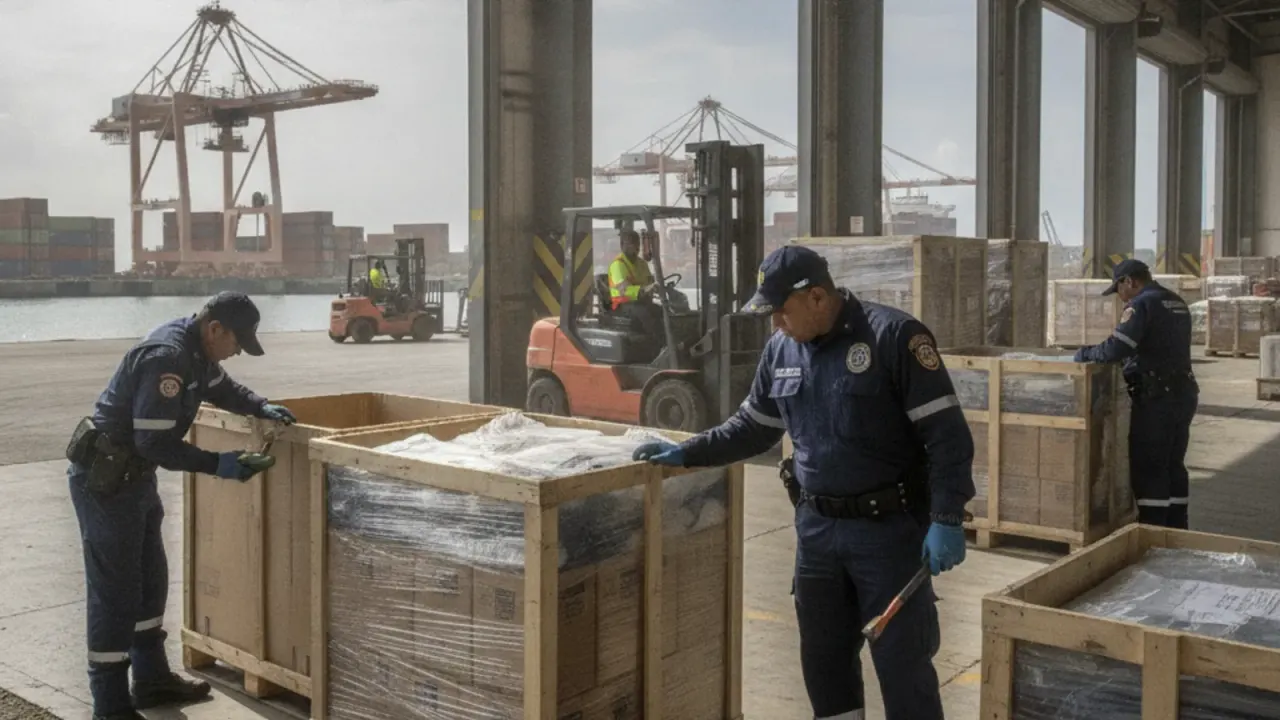
Ecuador’s customs service says it collected USD 168.57 million in one week, 7.8% above the previous record and 74% above the average of the last 52 weeks. The Guayaquil Maritime District generated USD 102.83 million and exceeded its weekly projection by more than 50%.
Ecuador’s long-term growth agenda proposes redesigning tax incentives around measurable outcomes such as employment, investment, and production. The proposal is still a framework, not a new benefit businesses can claim today.
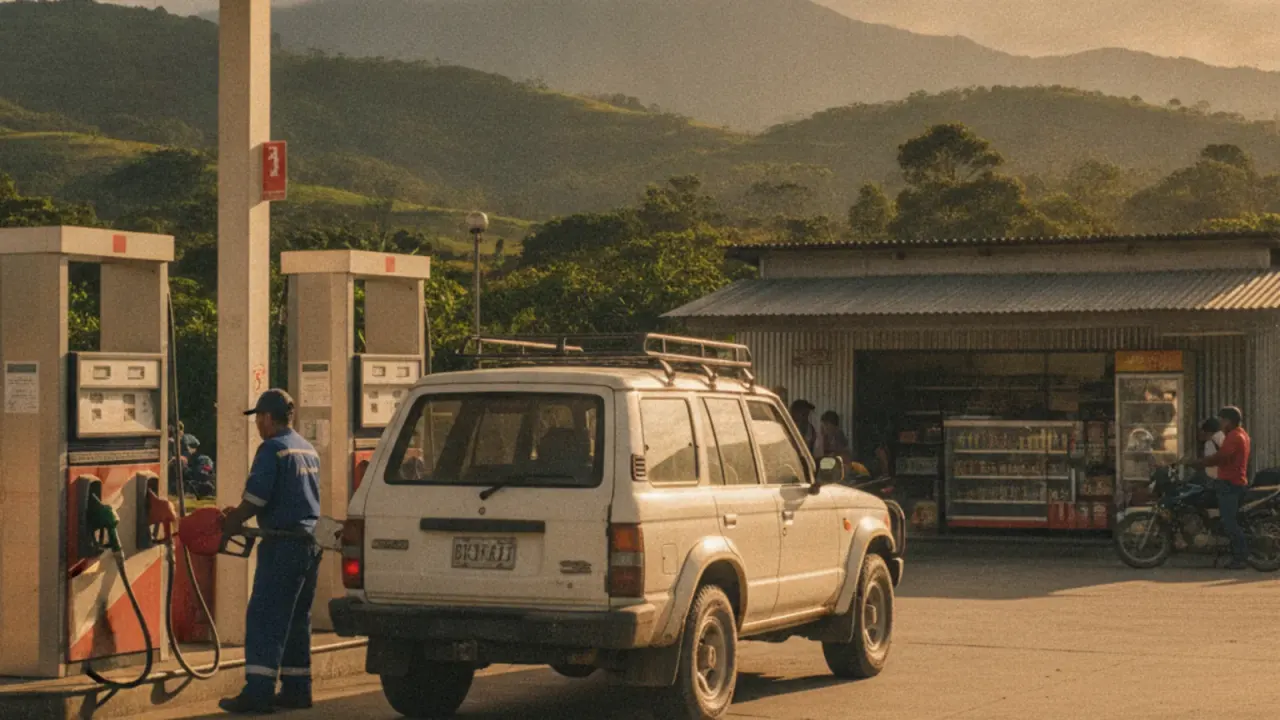
President Daniel Noboa says the next monthly adjustment will lower diesel and Extra and Ecopais gasoline prices slightly, despite higher international fuel costs.
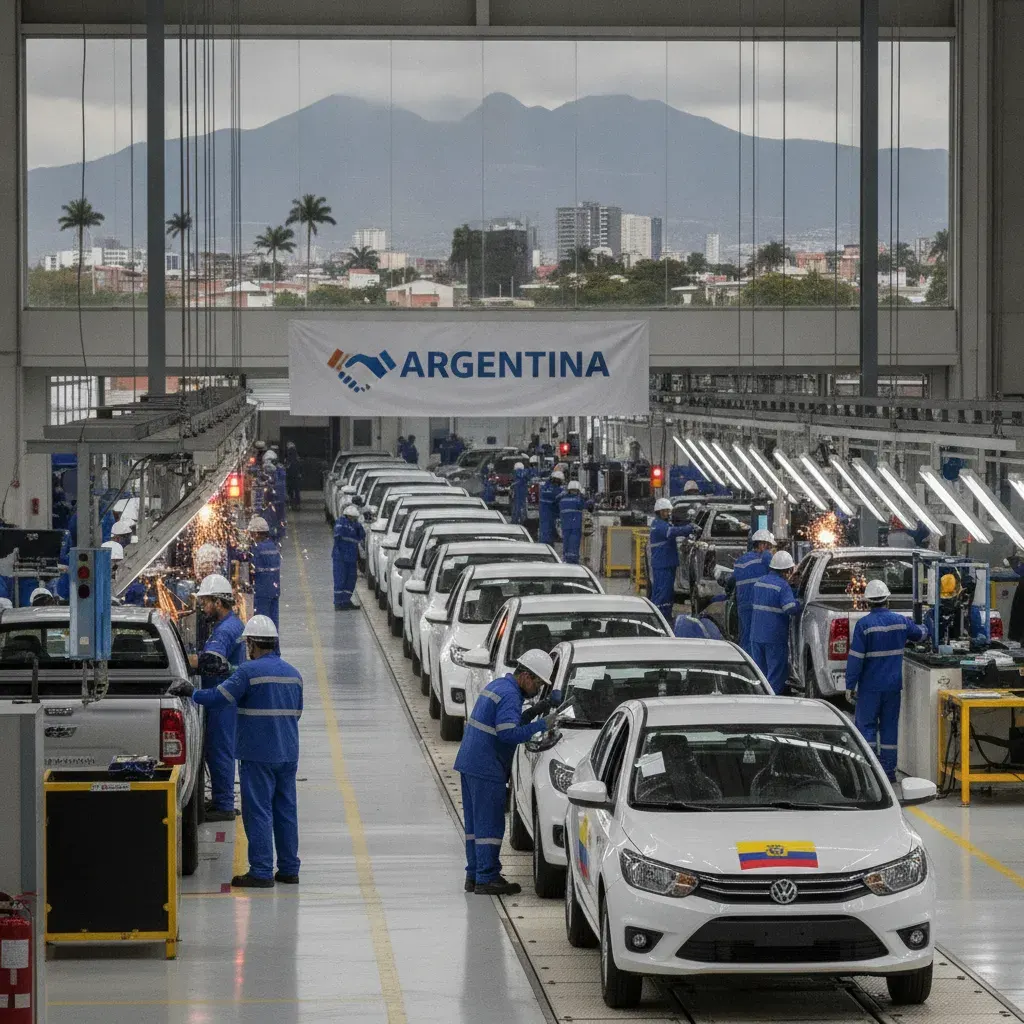
Locally assembled vehicles reached 1,649 sales in July, up 38% from a year earlier. A new Ecuador-Argentina agreement sets a reciprocal 10% vehicle tariff and preferential quotas for 3,000 units from each country over 10 years.
Ecuador’s multilateral debt rose from USD 9.453 billion in 2018 to USD 28 billion in May 2026, while annual debt service now exceeds USD 3.4 billion, according to an OPF analysis.